What Do Indonesian Financial Institutions Need to Unlearn to Do Climate Finance
Indonesia’s climate ambitions require investment at a scale that public budgets alone can’t provide. As a result, financial institutions like PT SMI—a Special Mission Vehicle under the Ministry of Finance engaged in development financing—are increasingly expected to play a central role in mobilizing capital for climate action.
However, stronger climate finance capabilities can’t be built through technical training alone. Through a collaboration between Think Policy, AFD NUCA, and PT SMI, an institution-wide assessment revealed that advancing climate finance requires more than new knowledge and tools. It also requires institutions to rethink how they collaborate, align priorities, and build trust across a complex ecosystem of public and private actors.
shared acknowledgement of institutional misalignment and low trust as key barriers to climate finance
PT SMI divisions aligned on what’s required to advance the company’s climate finance capabilities
climate finance capacity-building curriculum developed for long-term adoption
Why climate finance is more than a technical challenge
Indonesia's climate ambitions require investment at a scale that public budgets alone cannot provide. As the country works toward its climate targets, financial institutions are expected to play an increasingly important role in mobilizing capital for climate mitigation and adaptation.
Yet climate finance remains a relatively unfamiliar concept across many financial institutions. In practice, responsibilities related to climate finance are often concentrated within a small number of specialized units, rather than embedded across the institution's broader financing and investment functions. As a result, climate considerations can struggle to become part of everyday decision-making, despite their growing relevance to long-term business and development outcomes.
The challenge extends beyond individual organizations. Limited regulatory and market support, a lack of suitable financing instruments, and insufficient pipelines of investable projects continue to constrain the broader climate finance ecosystem. These barriers make it difficult for institutions to translate climate commitments into scalable financing solutions.
At the same time, the growing demand for climate investment presents a significant opportunity. Rather than treating climate finance as a standalone function, financial institutions can begin integrating climate considerations into existing financing practices, business processes, and strategic priorities.
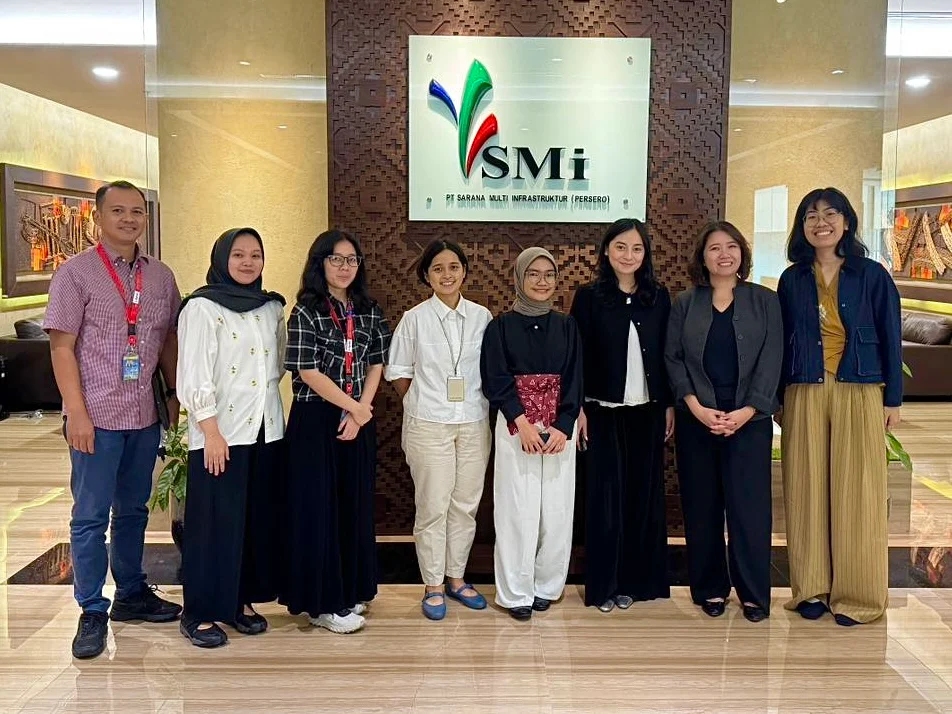
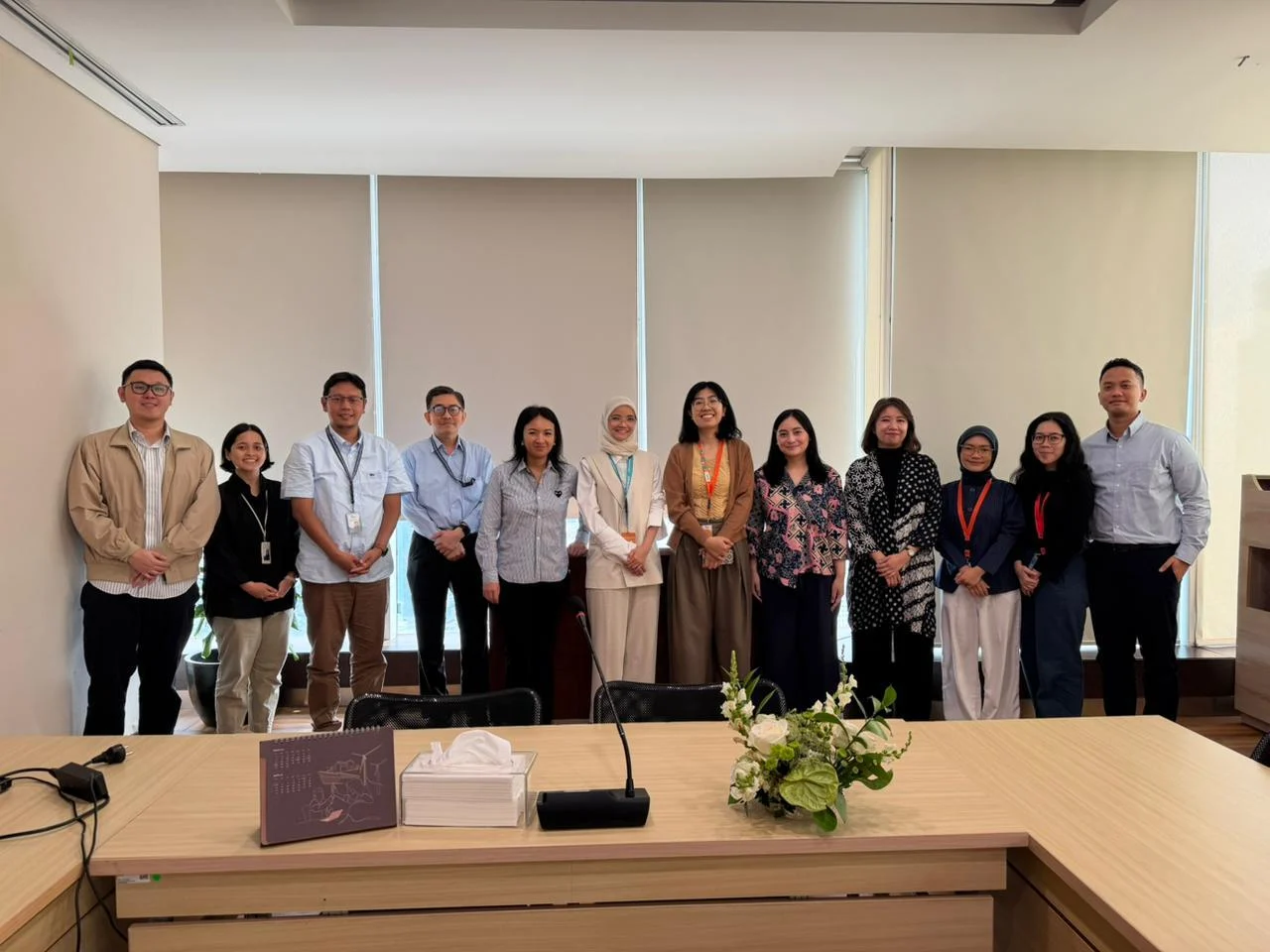
This was the context behind the collaboration between Think Policy, AFD NUCA, and PT SMI, a Special Mission Vehicle under the Ministry of Finance engaged in development financing. Through an institution-wide assessment involving surveys, focus group discussions, and consultations with senior leadership, the partners sought to understand what it would take to strengthen climate finance capabilities within PT SMI and identify the institutional and ecosystem conditions needed to accelerate climate finance more broadly.
2 principles for strengthening climate finance capability
A shared diagnosis helped leadership recognize that the most significant climate finance barriers may sit beyond individual skills, including institutional structures, coordination challenges, and ecosystem constraints.
Capacity-building modules were designed around transaction processes and organizational functions (e.g. Business, Risk, Operational, and Audit layers), enabling climate finance principles to be integrated into day-to-day decision-making across the institution.
Capacity building tailored to PT SMI’s institutional needs and gaps
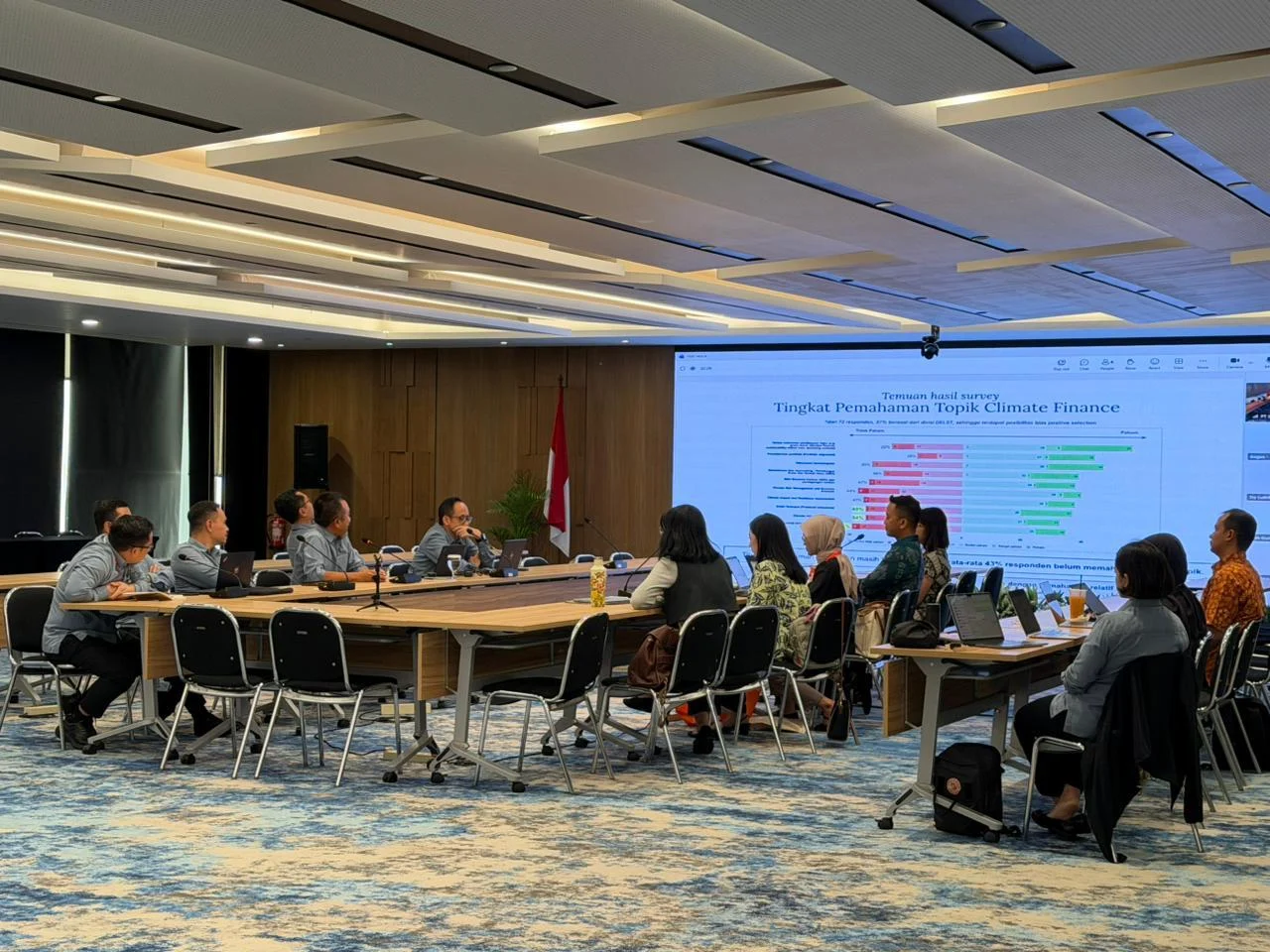
Think Policy, AFD NUCA, and PT SMI took an institution-wide approach to strengthening climate finance capability, starting with a comprehensive assessment of where climate considerations were falling short in practice. The assessment combined an institution-wide survey, focus group discussions with heads and team leaders, and a consultation with the Board to identify capacity gaps across different functions and levels of the organisation.
The findings revealed three interconnected gaps: knowledge and technical capabilities, institutional processes and incentives, and the ability to translate climate priorities into business decisions. Climate was often treated as a compliance consideration rather than a business opportunity. Projects could be tagged for climate relevance only after project commencement, while profit-oriented KPIs could take precedence over climate objectives. At the market level, climate finance products were also seen as less attractive by borrowers, whose perceptions of complex requirements and lengthy processes could discourage uptake. These findings helped shift the focus from simply training individuals to addressing the conditions that shape how climate finance is understood, assessed, and implemented across the institution.
The assessment informed a targeted capacity-building blueprint, with learning interventions designed around different users, roles, and adoption pathways. The journey begins with Climate Finance 101 for staff across the institution, establishing a common foundation before progressing to more specialised certification and degree pathways. Selected staff then participate in a multi-week, cross-layer bootcamp, bringing together different functions to apply their learning to live pipeline deals. The programme culminates in capstone projects, connecting climate finance concepts directly to real financing opportunities and day-to-day decision-making.
This sequencing is designed to move climate finance from specialist knowledge into institutional practice: build a shared understanding, deepen expertise where needed, bring functions together, and apply learning to real transactions. Rather than creating a standalone climate finance capability, the approach aims to embed climate considerations across the functions that shape PT SMI’s financing decisions.
Progress will be tracked through pre- and post-program assessments, completion and pass rates, capstone evaluations, and post-secondment and post-Master’s study evaluations. Together, these measures provide a way to assess not only whether staff acquire new knowledge, but whether that knowledge is being translated into applied capability over time.
Toward a more systematic climate finance capability
The collaboration helped PT SMI move beyond treating climate finance as a specialized technical or compliance function toward a more systematic approach to building institutional capability. Previously, climate finance responsibilities were concentrated in a small number of units, particularly Risk, while projects were often tagged only after commencement. Teams also relied on international funder and donor templates for climate requirements, which were not always suited to the needs and realities of local borrowers.
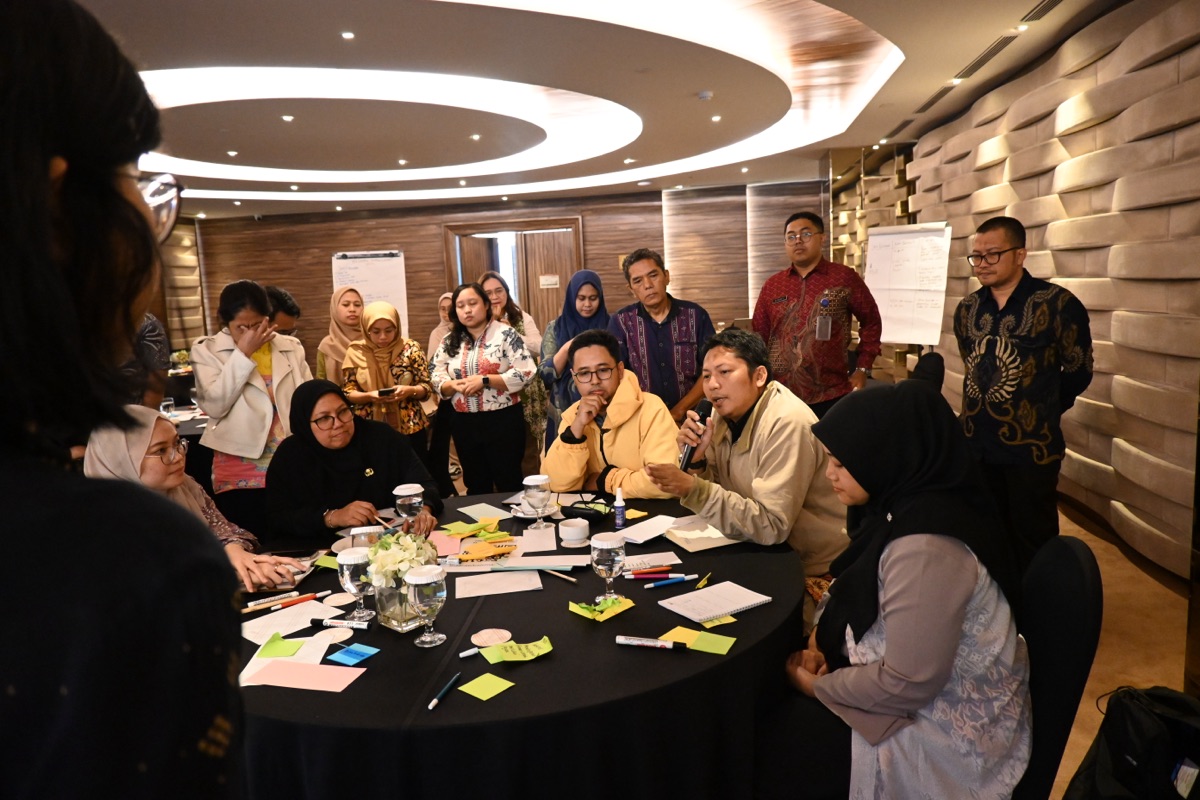
The diagnostic process created a different starting point. Through FGDs and a Board consultation, divisions were not simply assessed on what they lacked. They were brought into the process to identify, rank, and articulate their own capability gaps, helping PT SMI recognise that strengthening climate finance would require more than adding technical knowledge. It would require different functions to understand their roles, work across business layers, and connect climate considerations with existing processes and priorities.
These insights informed a capacity-building blueprint differentiated by staff role and business layer, with a tailored curriculum and recommended tools aligned with PT SMI’s existing processes and strategic direction. Rather than applying a one-size-fits-all training model, the learning journey ranges from LMS-based Climate Finance 101 to bootcamps, on-the-job training, certification, and secondment, allowing staff to build capabilities at different levels of depth.
Importantly, learning is connected to real business applications. Selected staff apply their knowledge through live-pipeline capstone projects, bringing climate finance considerations into actual transactions rather than leaving them within the classroom. This creates a pathway from learning, to application, to institutional adoption.
The strongest evidence of impact is currently within PT SMI itself, including an implementation plan led by the assigned director and a model that can potentially be extended to other units. The wider ecosystem diagnosis also provides a foundation for future engagement around demand-side barriers to climate finance, although broader external adoption has not yet been established.
Ultimately, the work reframes climate finance as more than a technical capability. It gives PT SMI a systematic way to unlearn fragmented approaches, build shared institutional capability, and bring climate considerations closer to where financing decisions are actually made.
You may also like
Building a more inclusive climate governance that works for everyone in Jakarta
Mending Runding gathered Jakarta’s diverse citizens to deliberate and shape the policy directly affecting their lives