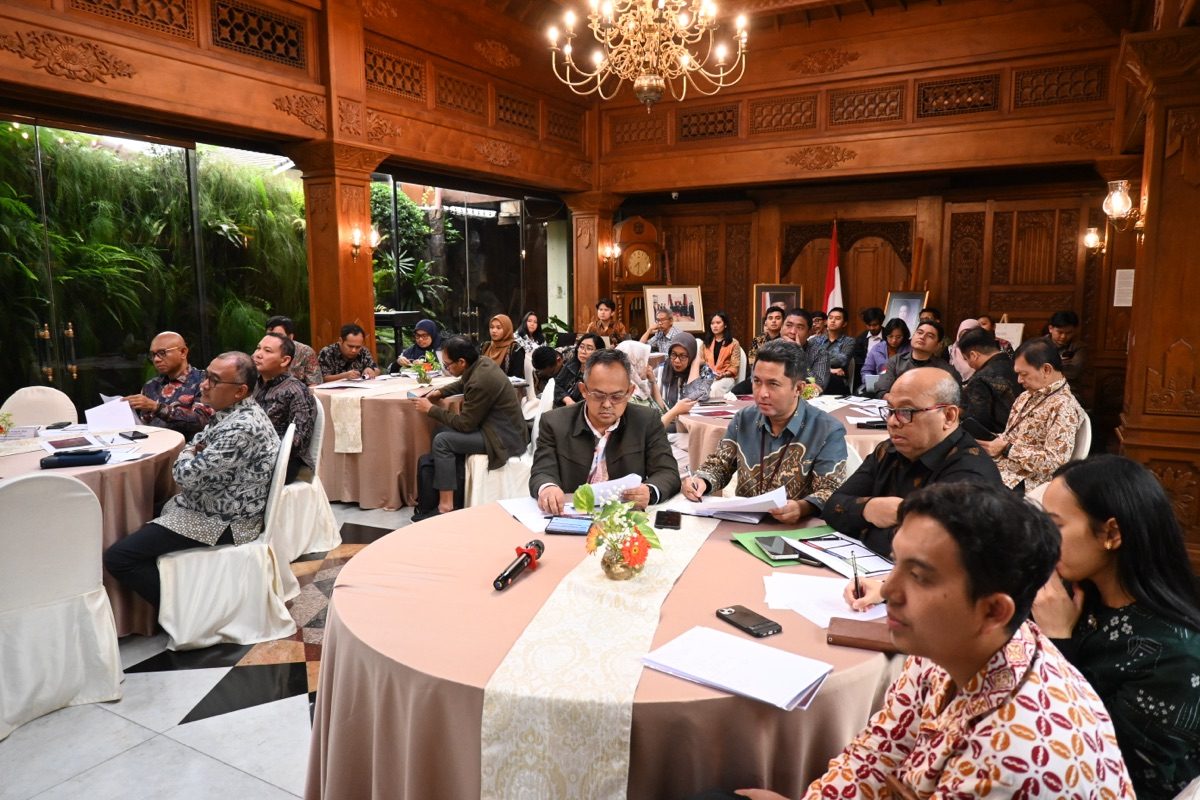
Building a more inclusive climate governance that works for everyone in Jakarta
Climate change does not affect everyone equally. Low-income communities, informal workers, women, older people, and persons with disabilities often face the greatest risks while having the least influence over climate decision-making.
Recognizing this challenge, the government of Jakarta partnered with Think Policy and the C40 Cities network to strengthen inclusive climate governance across its regional agencies. The collaboration focused on embedding equity considerations throughout the policymaking process, from planning and budgeting to monitoring and evaluation, so that climate action can better respond to the needs of all residents.
increase in participants’ knowledge of inclusive climate action
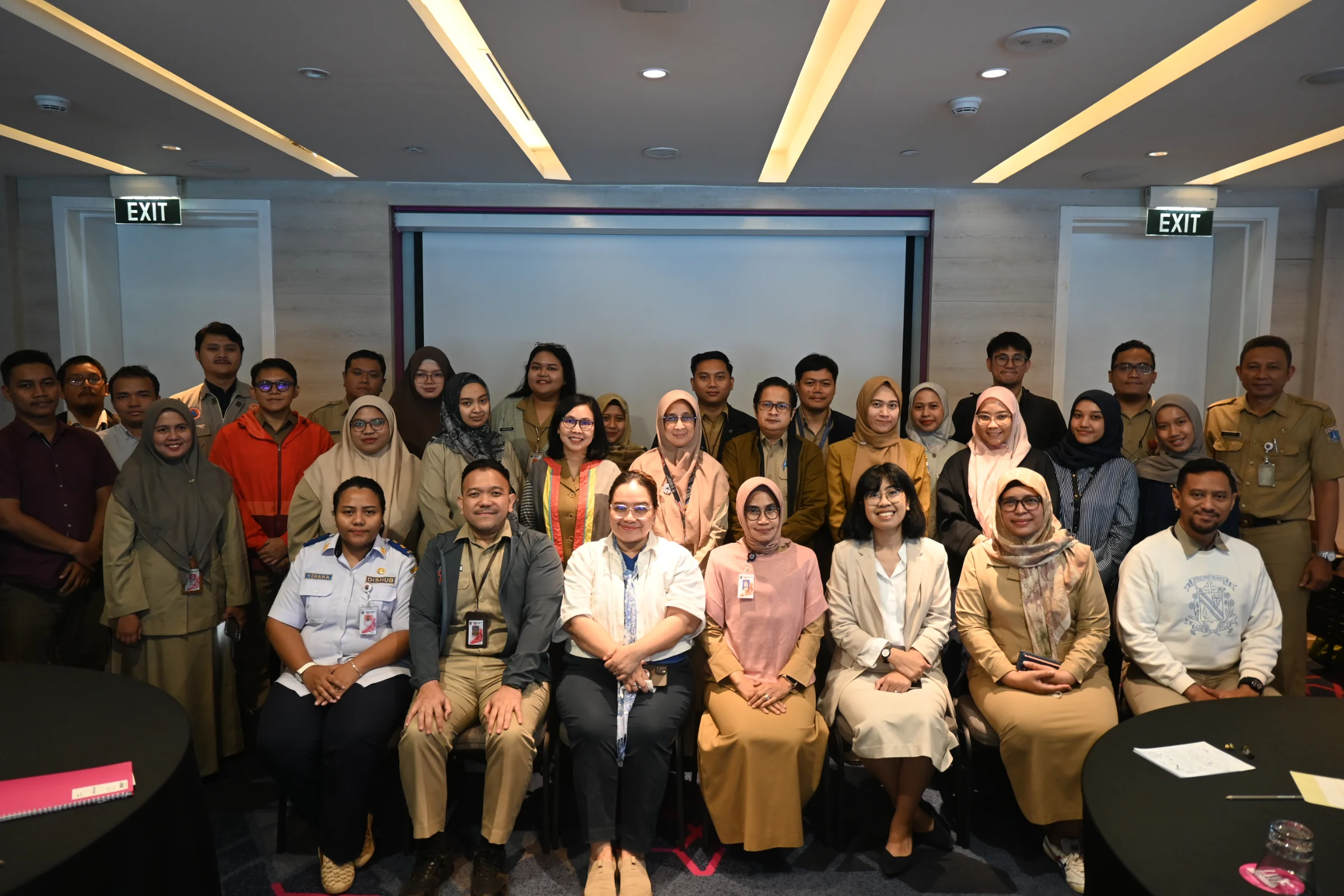
participants from 25 regional government agencies in Jakarta
institutional adoption pathways after the collaboration between Think Policy, C40, and the Jakarta government
Creating a more equitable climate action for Jakarta citizens
In 2025, the Jakarta government was in the early stage of implementing its climate action agenda. Through Governor Regulation (Pergub) No. 90/2021, the city had demonstrated its commitment by setting ambitious emission reduction and climate resilience targets, as well as establishing the Climate Disaster Mitigation and Adaptation (MABI) team.
However, despite this regulatory foundation, the vulnerable groups most affected by climate hazards and risks in Jakarta had not been meaningfully engaged during the planning and budgeting process, which was carried out mainly by the Regional Development Planning Agency (Bappeda) and the Bureau of Development and Environment (Biro PLH). Climate action progress was also constrained by fragmented governance, limited opportunities for meaningful public participation, and insufficient attention to the needs of the most affected communities.
With this in mind, Jakarta was reviewing the climate governance framework under its Governor Regulation. This created a timely opportunity to embed the principles of equity and inclusivity into how climate action is planned, implemented, and monitored in the city.
In partnership with C40 Cities, a network of cities around the world that power global climate action, Think Policy worked with stakeholders from various regional government agencies in Jakarta to introduce the Inclusive Climate Action (ICA) framework by embedding equity and inclusivity into every stage of climate governance.
Afterward, Think Policy and C40 also collaborated with regional stakeholders to analyze climate governance in Jakarta, especially the use of the MER framework (Monitoring, Evaluation, and Reporting), with the aim of improving the overall climate policymaking process.
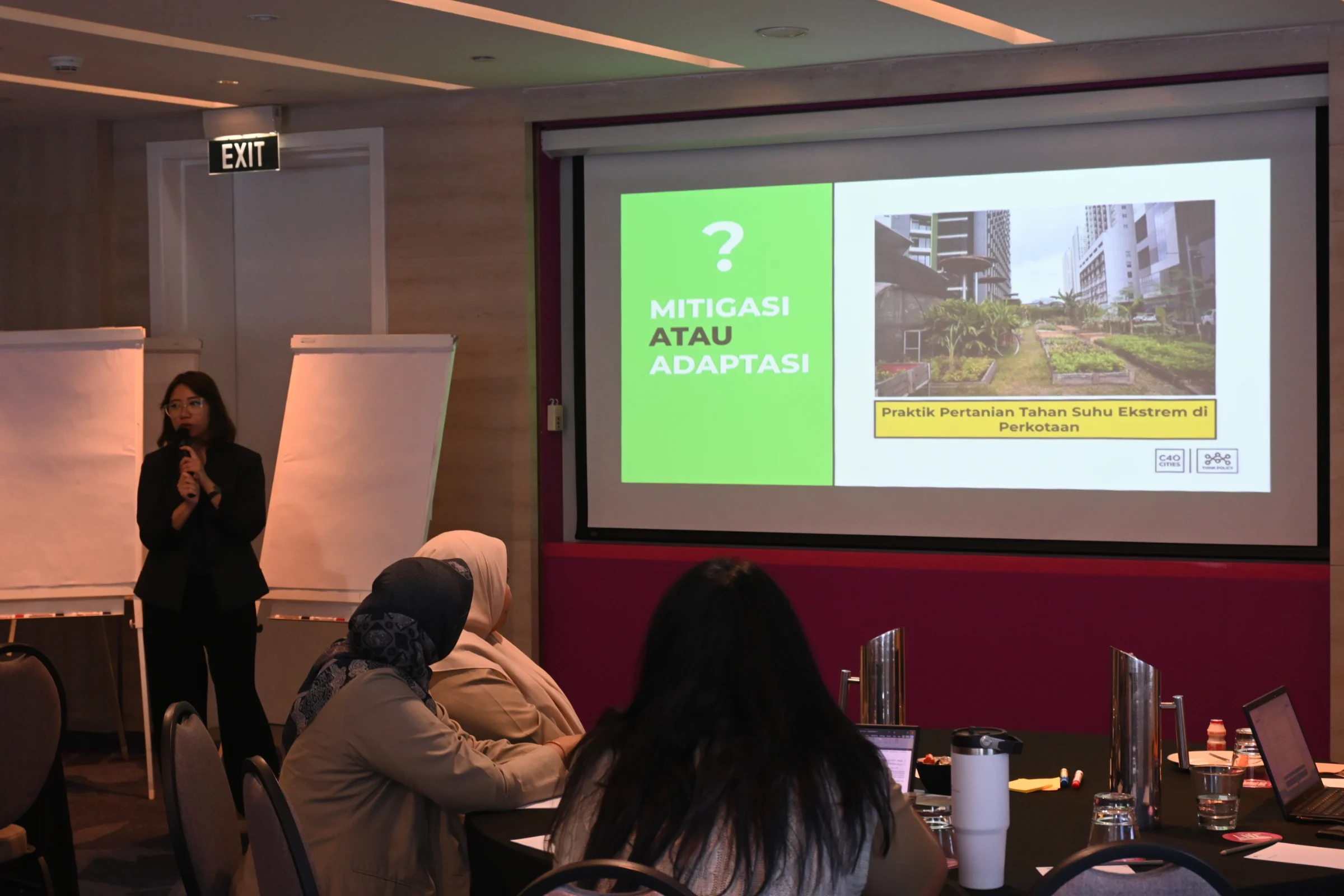
Three pillars for a more inclusive climate policymaking in Jakarta
Create direct dialogue with the civil servants of Jakarta’s regional agencies to understand their constraints, priorities, and institutional opportunities.
Use a human-centered andragogy approach to capacity building in activities such as trainings, grounded in the experience and context of participating professionals.
Carry out institutionalization in the planning and budgeting process of climate policy so inclusive practice becomes part of everyday government work.
Strengthening climate governance across regional government agencies
The challenges faced by the Jakarta government in carrying out its climate action were mainly caused by fragmented climate governance across its sectoral regional government agencies (organisasi perangkat daerah / OPD).
Knowledge about a more equitable climate action within the government was also still limited, even though climate change disproportionately affects vulnerable and marginalized communities, including low-income households, informal workers, women, the elderly, and persons with disabilities. The ever-changing political agenda also made it hard to institutionalize climate governance.
The interventions that Think Policy and C40 carried out to promote adoption of the Inclusive Climate Action (ICA) framework and ensure more robust climate governance included:
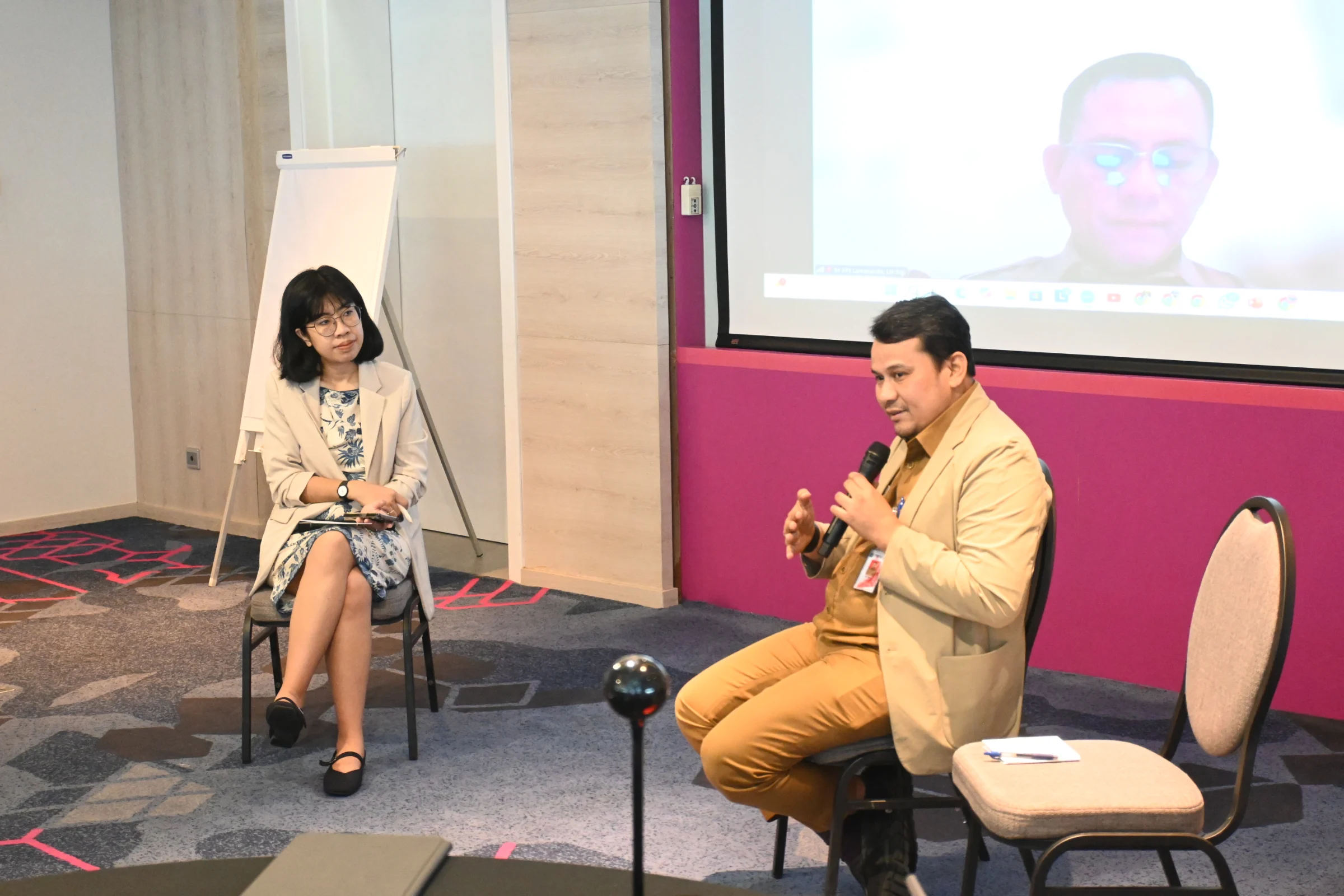
- One-on-one dialogues with several regional government agencies (OPD) to identify their institutional aspirations, constraints, and opportunities.
- Learning sessions on inclusive climate governance for government stakeholders and civil servants.
- Mapping of governance entry points to strengthen inclusive climate planning and secure institutional buy-in.
Upon implementation of these interventions, several regional bodies and agencies started to take action:
Bappeda
Developed the technical guidelines (Juknis) on an inclusive Development Planning Forum (Musrenbang).
HR Bureau
Adopted the ICA framework into the Jakarta government’s training materials.
Biro PLH
Expressed interest in adopting the structural recommendations in the revision to Governor Regulation No. 90/2021.
DLH
Expressed interest in aligning the data collection platform for climate action impacts.
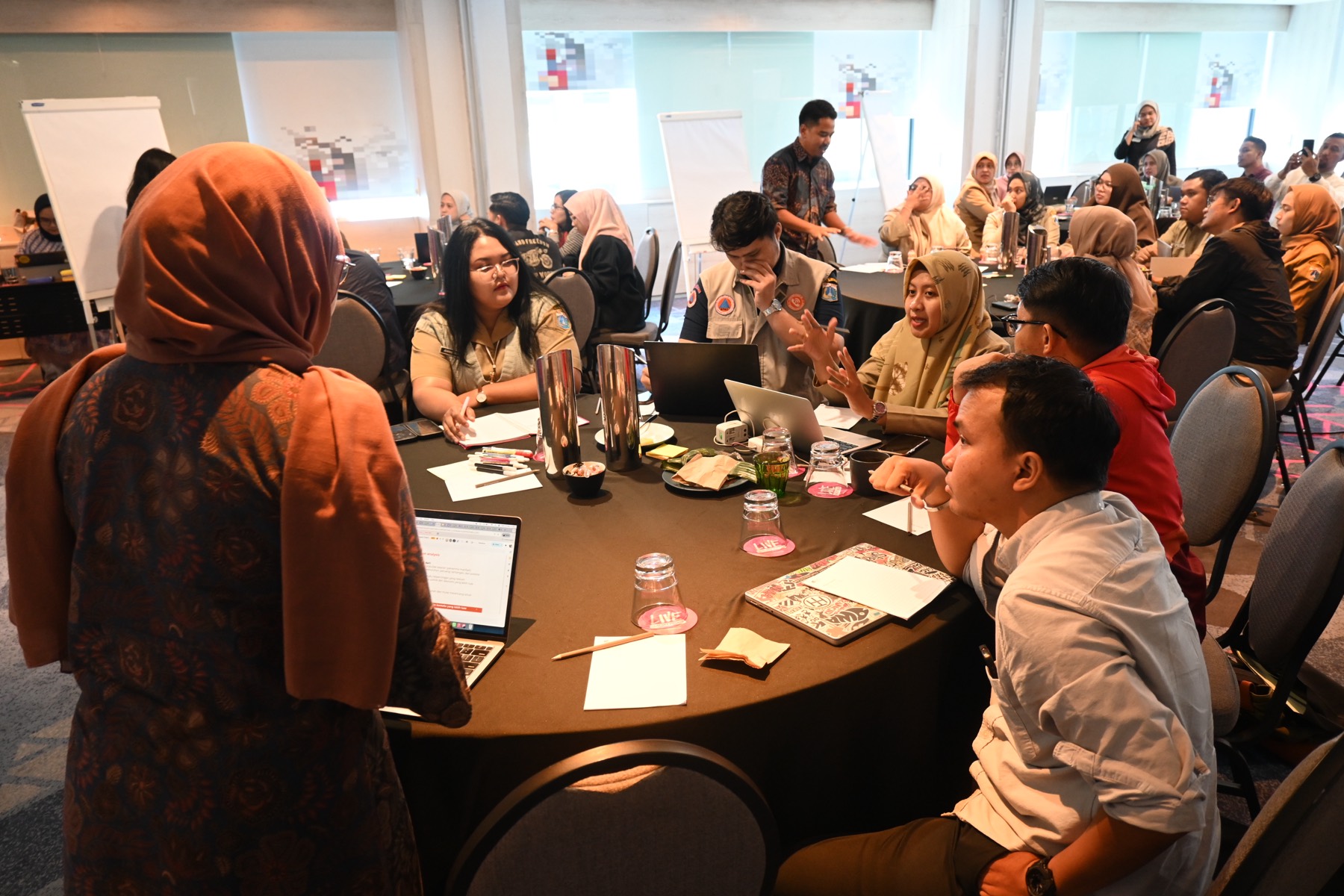
Many of the recommendations and solutions already exist and have started, but they are scattered. If there was something that brought them together, we could finally see the whole picture.KSD, Bureau of Development and Environment (Biro PLH), during the final presentation
Toward more equitable and inclusive climate outcomes in Jakarta
The interventions have led to a number of positive results in ensuring a more inclusive approach to climate policy and governance in Jakarta, including:
Inclusive governance principles were embedded into Jakarta’s climate planning process in the form of standard operating procedures (SOP).
Jakarta conducted an inclusive Musrenbang (development planning forum) in each administrative area.
A 36% increase in participants’ knowledge and understanding of inclusive climate action across 84 participants from 25 regional government agencies.
Early institutional acceptance, demonstrated by endorsement from agencies such as Bappeda, Biro PLH, and DLH.
The integration of Inclusive Climate Action (ICA) and the review of the Monitoring, Evaluation, and Reporting (MER) framework in Jakarta’s climate governance led to three recommendations: the inclusive Musrenbang process, transformation of governance, and a dashboard system to collect data on climate action impacts.
This proved to have a snowball effect. Government stakeholders started to replicate the inclusive Musrenbang process across Jakarta’s planning process, and civil servants began to integrate equity and inclusivity considerations into planning, designing, and implementing climate action.
This led to key outcomes such as the development of inclusive climate action regulation and SOP, cross-sectoral replication of the Musrenbang process, and a mainstreamed platform for greenhouse gas (GHG) accounting — creating a paradigm shift in how Jakarta’s regional agencies and civil servants approach planning and budgeting.
As Jakarta continues to improve its climate governance and action, this case study shows that building more equitable and inclusive climate outcomes means bridging policymakers and bureaucrats who understand the regional governance process with climate experts and their insights — something that can be replicated beyond Jakarta.
Three moves that turn inclusion into infrastructure
Inclusive Musrenbang
Bring affected communities into planning and budgeting decisions across the city’s administrative areas.
Governance transformation
Connect responsibilities across agencies and formalize inclusive practices in regulation and SOP.
Climate impact dashboard
Create a shared system for consistent climate action and GHG accounting data.
You may also like
Mending Runding gathered Jakarta’s diverse citizens to deliberate and shape the policy directly affecting their lives

The Reformist Bootcamp: why unlearning is the first step to take by the next generation of policy professionals