The Reformist Bootcamp: why unlearning is the first step to take by the next generation of policy professionals
Across Indonesia’s ministries, local governments, and public institutions, many professionals already know what is not working in policymaking. The challenge is not always a lack of knowledge, but the difficulty of questioning long-held assumptions and introducing new ways of working within large and complex bureaucracies.
Through The Reformist Bootcamp, Think Policy helps public servants and professionals practice unlearning before learning. By combining reflection, applied learning, and a community of peers, the program equips reform-minded individuals with the momentum and support needed to transform ideas and individual conviction into institutional practice.
alumni have completed the Reformist Bootcamp
institutions represented across sectors
average increase in the Core Knowledge component of the learning outcome
Bridging the gap between individual conviction and institutional change
Across Indonesian ministries, subnational governments, state-owned enterprises, and other institutions, many professionals already understand that some of the ways policies are designed and implemented are no longer sufficient for increasingly complex challenges. Issues such as climate adaptation, food systems, and demographic transition cannot always be addressed through linear plans or conventional solutions. They require policymakers to work across sectors, question assumptions, respond to uncertainty, and adapt as new information emerges.
Yet bringing evidence and new ideas into practice can be difficult within a bureaucratic system that has, over time, developed a risk-averse culture. Innovation is not always rewarded, while performance indicators can be less legible than in the private sector. Policy priorities can also be determined from the top, leaving limited room for participatory or iterative approaches. The result is a gap between knowing that change is needed and feeling able to make that change happen.
For professionals with high agency, this can be particularly discouraging. When institutional incentives to experiment are weak and the risks of doing something differently are more visible than the benefits, reform-minded individuals can quickly lose momentum.
Existing pathways to developing a different paradigm also tend to come with high barriers. A master’s degree, professional certification, or long-term apprenticeship can provide valuable learning, but requires significant investments of time and money.
This created an opportunity for a different kind of learning intervention: one that does not simply teach professionals more technical knowledge, but helps them question existing assumptions, practice new ways of working, and build the relationships needed to keep acting when they return to their desks.
This is the premise behind The Reformist Bootcamp, Think Policy’s flagship program for public servants and professionals. Rather than treating participants as people who simply need more knowledge, the program starts from the belief that many potential reformers are already inside the system. What they need is the momentum and allies to turn conviction into institutional practice.
Three principles for building reform capability
Surface the assumptions that make current practices feel inevitable before introducing new tools and frameworks.
Adults learn by engaging directly with instructors, mentors, peers, and real-world problems, with feedback applied to their own work.
Go beyond participant satisfaction and knowledge acquisition to assess whether learning is actually applied in the workplace.
Building the capability and community to make reform possible
The Reformist Bootcamp is designed around a simple premise: changing institutions starts with changing how the people inside them think and act. To do that, the program combines three approaches.
1. Unlearning comes before learning
Reformists rarely need new information first. Before introducing another policy framework or technical tool, the Bootcamp creates space for participants to examine the assumptions, biases, and beliefs that shape how they understand a problem.
The curriculum is organized around questions that reformers encounter in practice: What beliefs make us do what we do? Who holds influence over an issue, and when? How do we check our assumptions when designing a policy program? And how do we lead when we have limited formal authority?
Modules move between inner work — such as agency, bias, and ego — and outer work, including systems thinking, influence, storytelling, program design, budgeting, and innovation. This helps participants approach policy problems differently before applying new technical tools.
Through tangible case studies, we learn how to get involved and identify the root of the problems, so we can empathize and set policies in real life.Putri H. L., Bootcamp alumna
2. High-touch learning that connects directly to real work
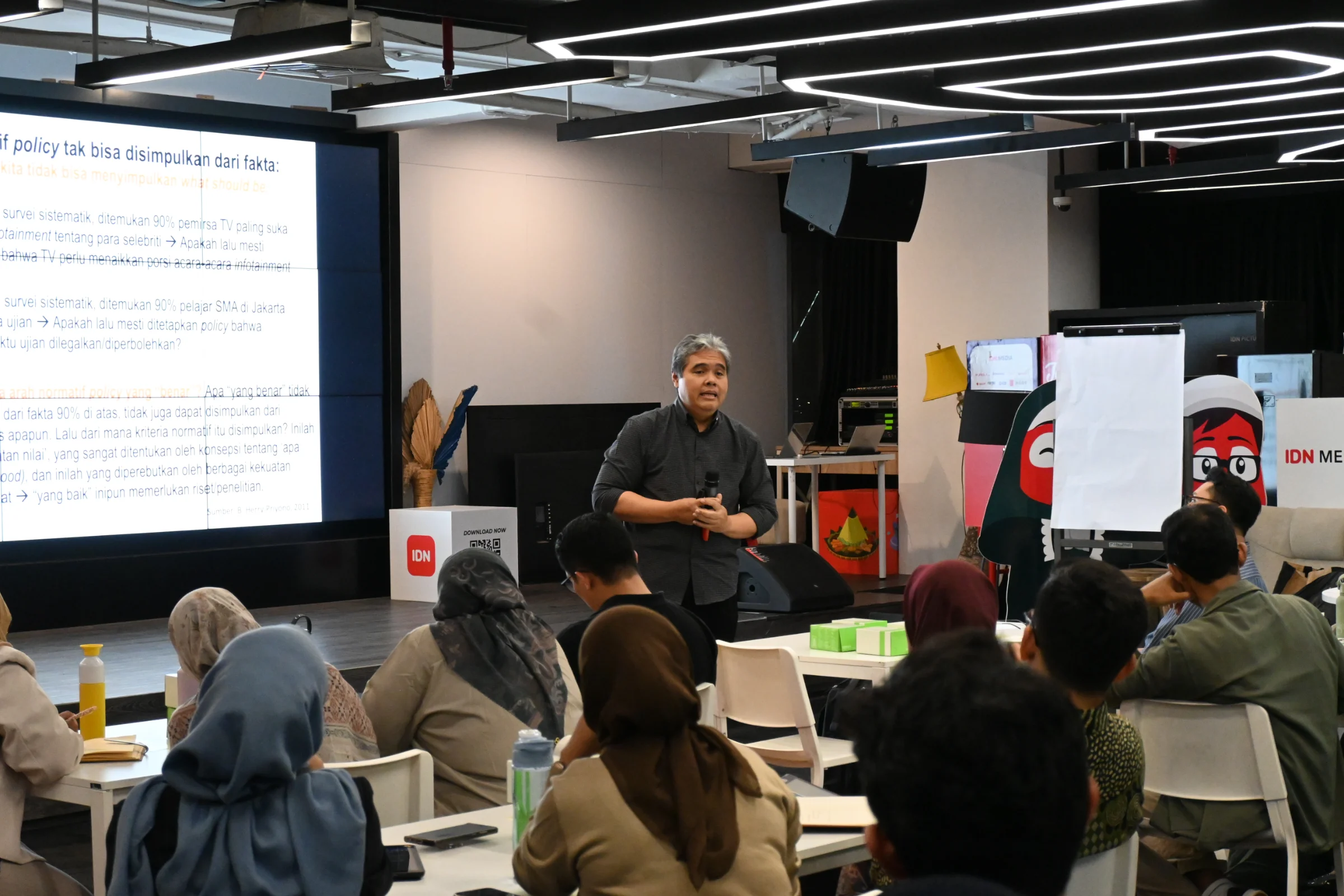
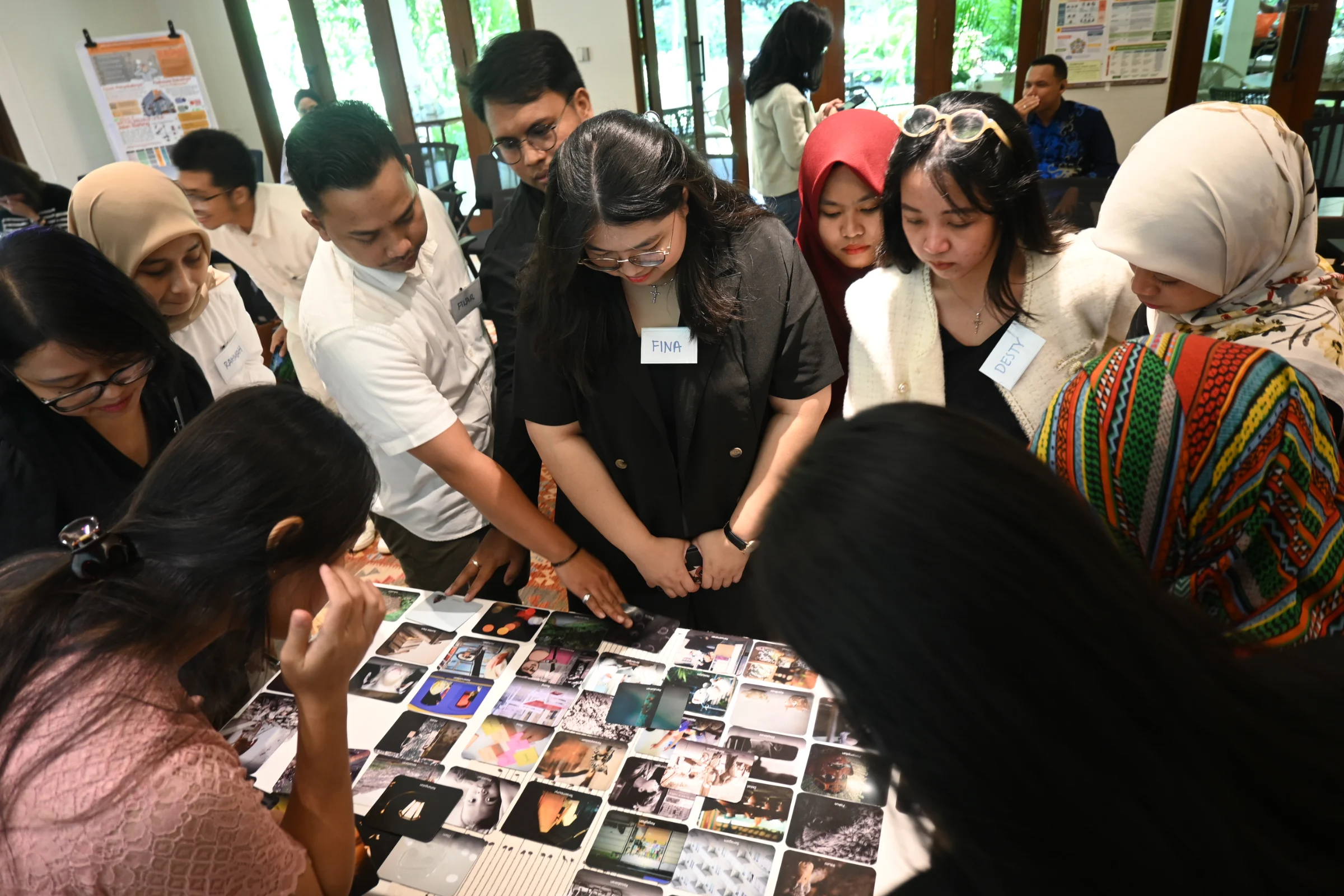
Unlike self-paced courses or conventional technical training, the Bootcamp is deliberately designed around high-touch andragogy: adult learning through direct engagement, discussion, experimentation, and feedback.
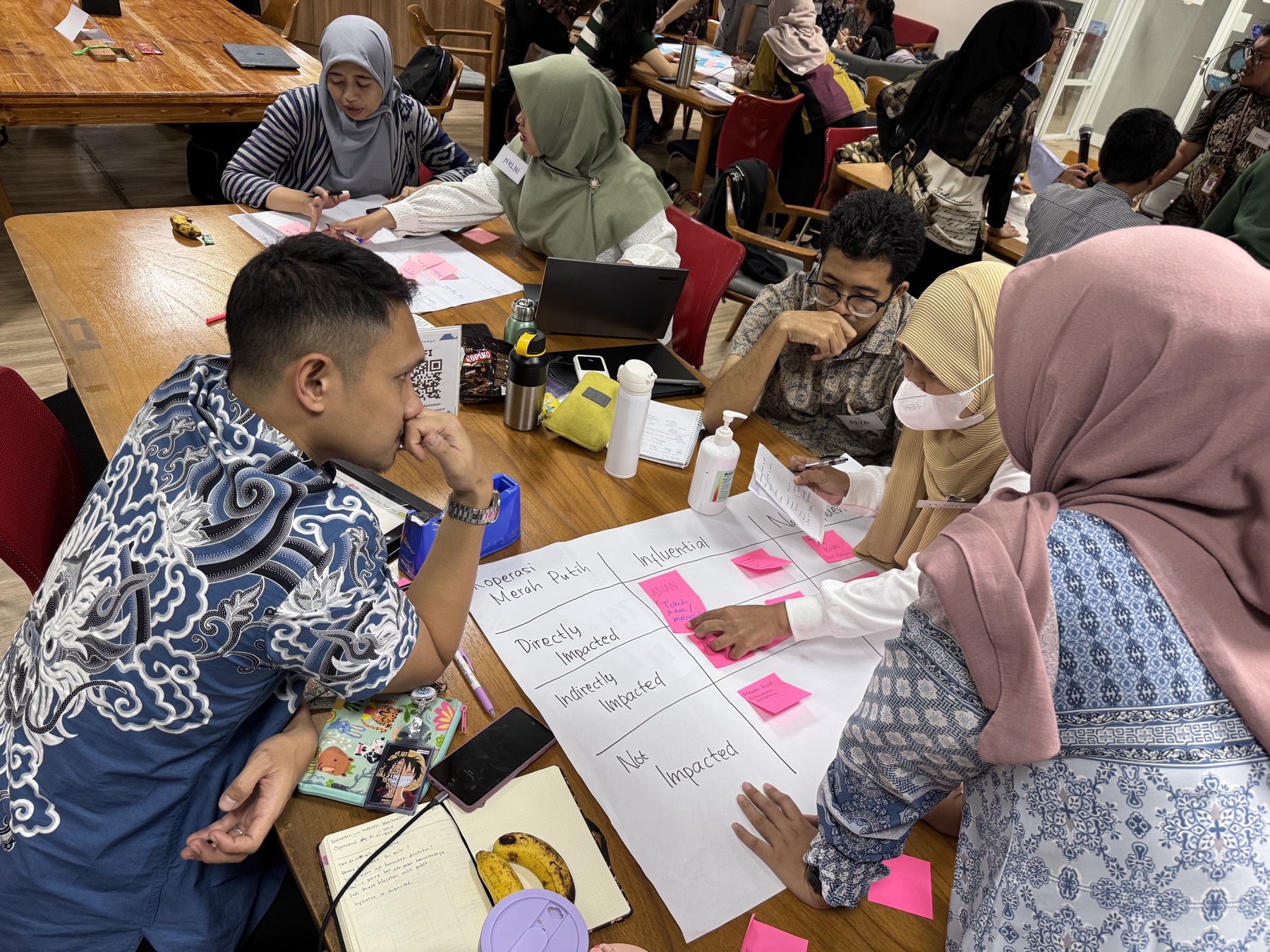
Participants work closely with instructors, mentors, and peers while connecting the frameworks they learn to problems they encounter in their own institutions. This makes the learning process more than an exercise in acquiring knowledge — it gives participants an opportunity to test new ways of thinking against the realities of their work.
The approach has produced an average 43% increase in core knowledge and 22% increase in core competencies, including critical thinking, empathy, and problem solving. More importantly, the program measures efficacy to change: participants’ confidence that they can push for change once they return to their institutions. Across cohorts, this increased by an average of 13% — a smaller gain, but arguably the more difficult outcome to shift.
Think Policy Bootcamp helps provide new thinking frameworks in addressing public policy for significant and sustainable change.Civil servant, Bootcamp alumnus
3. Building a community that keeps reformers moving
Even when individuals have the capability and motivation to change, institutional reform rarely happens alone. It requires allies who can provide alternative perspectives, share information, open doors, and sustain momentum when change becomes difficult.
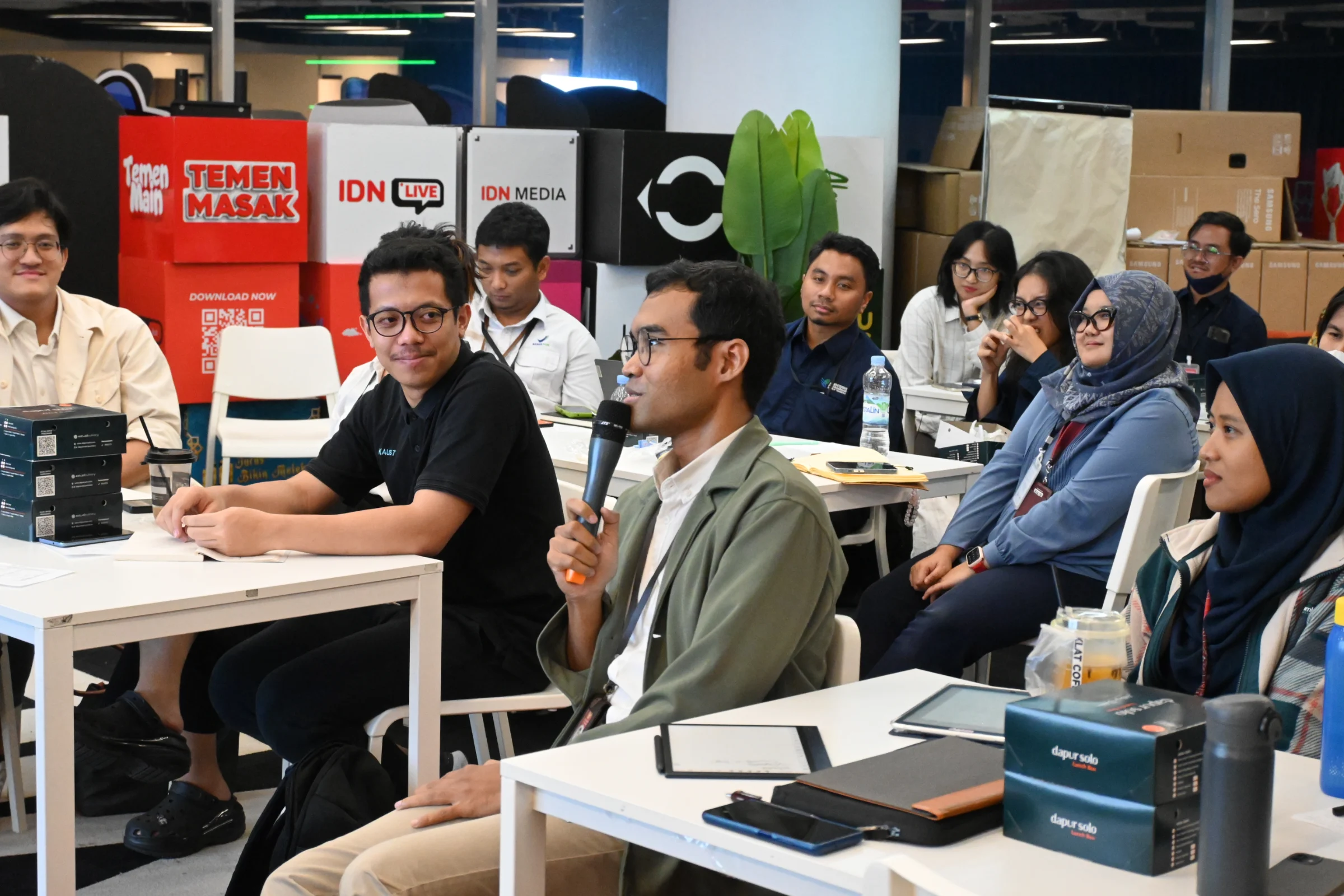
The Bootcamp treats its alumni community as part of the intervention itself. Across approximately 450 alumni from 275 institutions, participants have built relationships across central and subnational government, civil society, academia, the private sector, state-owned enterprises, intergovernmental organizations, and political parties. For some, that network becomes a practical source of opportunities and support beyond the program.
The combination of frameworks, practical application, and community means the program’s impact does not have to end when a cohort finishes. The learning travels with participants back into their institutions, where it can influence how problems are understood, how solutions are designed, and how reform is pursued.
Through this community, I get the chance to build a network, get timely information, job openings, and even scholarship opportunities.Samuel Leivy Opa, Bootcamp alumnus
From individual capability to institutional and ecosystem change
The Reformist Bootcamp’s impact is not simply measured by how many professionals it has trained. Its more significant test is what alumni do with what they have learned once they return to their own working environments. Three levels of change have begun to emerge.
Alumni bring new frameworks and capabilities into their work. Gains in knowledge, competency, and efficacy to change indicate participants leave feeling better equipped to navigate complex policy problems and act within their institutions.
Several alumni from the same organization have begun working together to replicate what they learned within their own ecosystems, turning an individual learning experience into shared institutional practice.
Alumni have gone on to influence formal policy instruments and establish new spaces for learning that can outlast any individual cohort.
When learning becomes policy practice
One example came from Pohuwato Regency in Gorontalo Province, where an alumnus of Think Policy’s local legislator fellowship helped push for a regional regulation (Perda) on data-based local governance. Passed by the regional legislature at its 29th plenary session in December 2025, the regulation uses more precise village and sub-district data to support local governance.
In agriculture, Ridho — an alumnus from the Ministry of Agriculture’s tenth Bootcamp cohort — applied tools from the program with his team to develop climate-based planting calendars and emissions projections. The work won first prize at a KOICA short course in South Korea and helped unlock funding for farmer development and climate resilience. He describes the training as changing how he approaches “super-wicked” challenges: not as abstract problems too complex to solve, but as systems that could be worked through.
A third example is inside the Ministry of National Development Planning (Bappenas). Alumni Prita, Fikri, and Riski, who participated in different cohorts, helped initiate Bappenas Muda under the Allstar Bappenas community — a space for younger professionals to nurture internal champions and experiment with more adaptive approaches to development planning.
These examples show why reach alone is not the same as scale. A program does not create systemic change simply by training more people. In a complex policymaking ecosystem, change compounds when individuals carry new capabilities into their institutions, find allies who share their ambition, and create new practices that others can adopt.
What Indonesia can learn from building reform capability
Start with people already inside
Empower and enable the reformers already in public institutions to challenge assumptions and act on what they know.
High-touch learning and application
Pair reflection and frameworks with real work, and measure whether learning changes behavior.
Sustained communities of reformers
Treat the alumni network as part of the intervention, so momentum outlasts any single cohort.
You may also like
From external obligation to national commitment: reframing the importance of NDC climate governance
How Festival Pemilu 2024 became a space for voters to engage with politics beyond the screen