Our Approach
Four practices, one purpose: moving complex policy challenges forward.
Each pillar works on its own—and compounds when combined. Pick a pillar to see the challenge it answers, how we approach it, and the work it has produced.
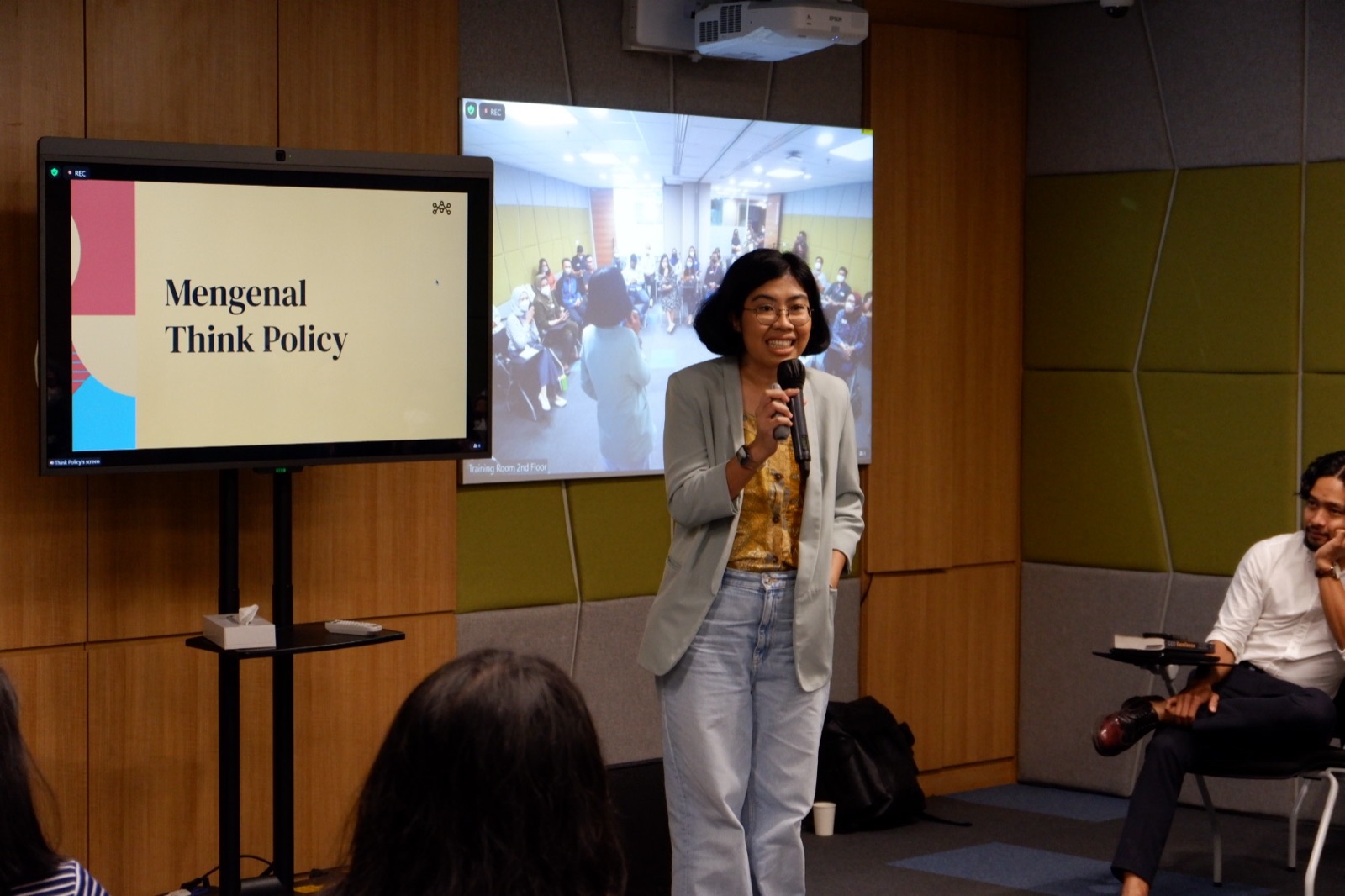
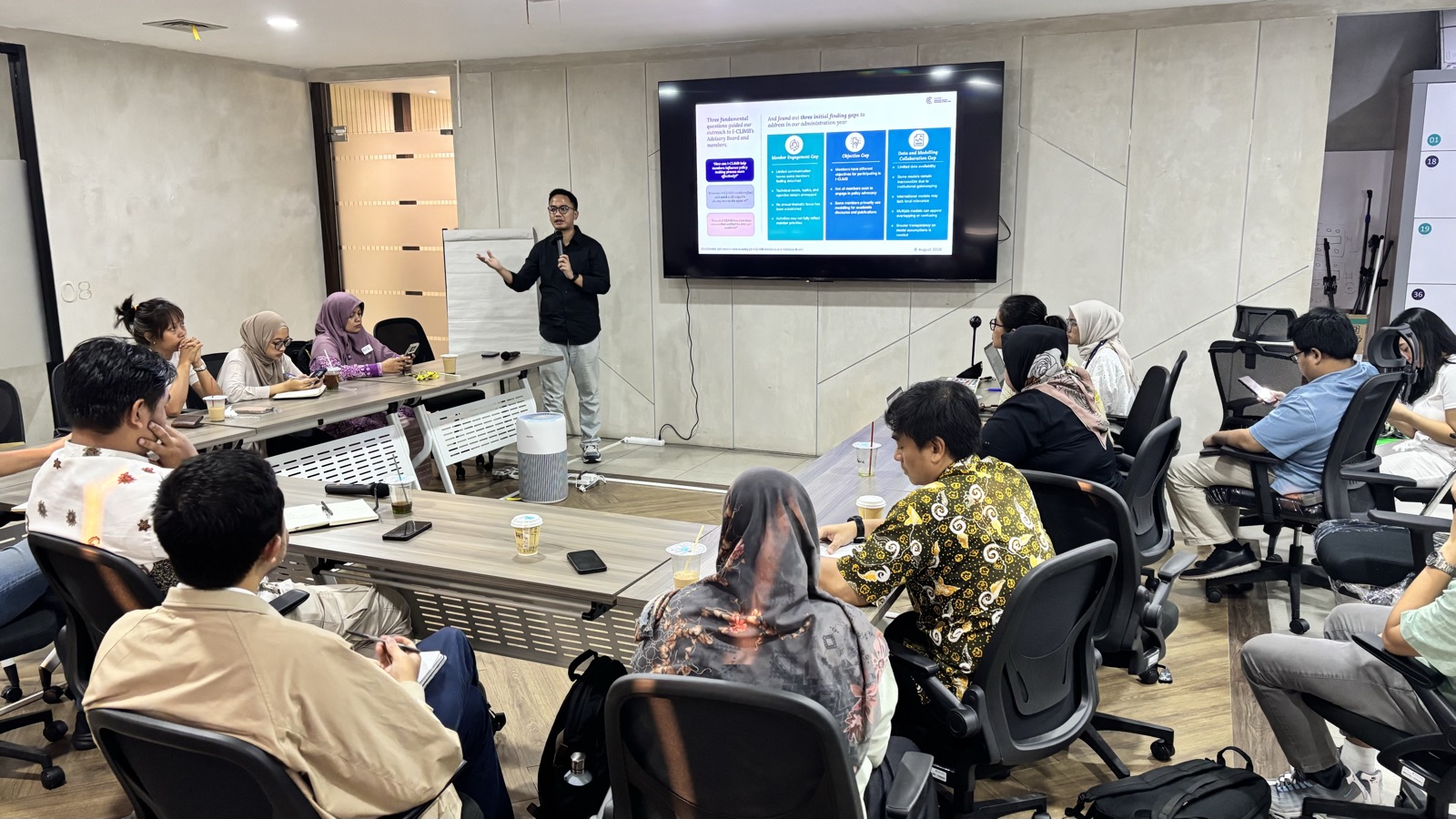
Many public policy challenges already have known solutions. What is often missing is the ability to make those solutions work in the real world.
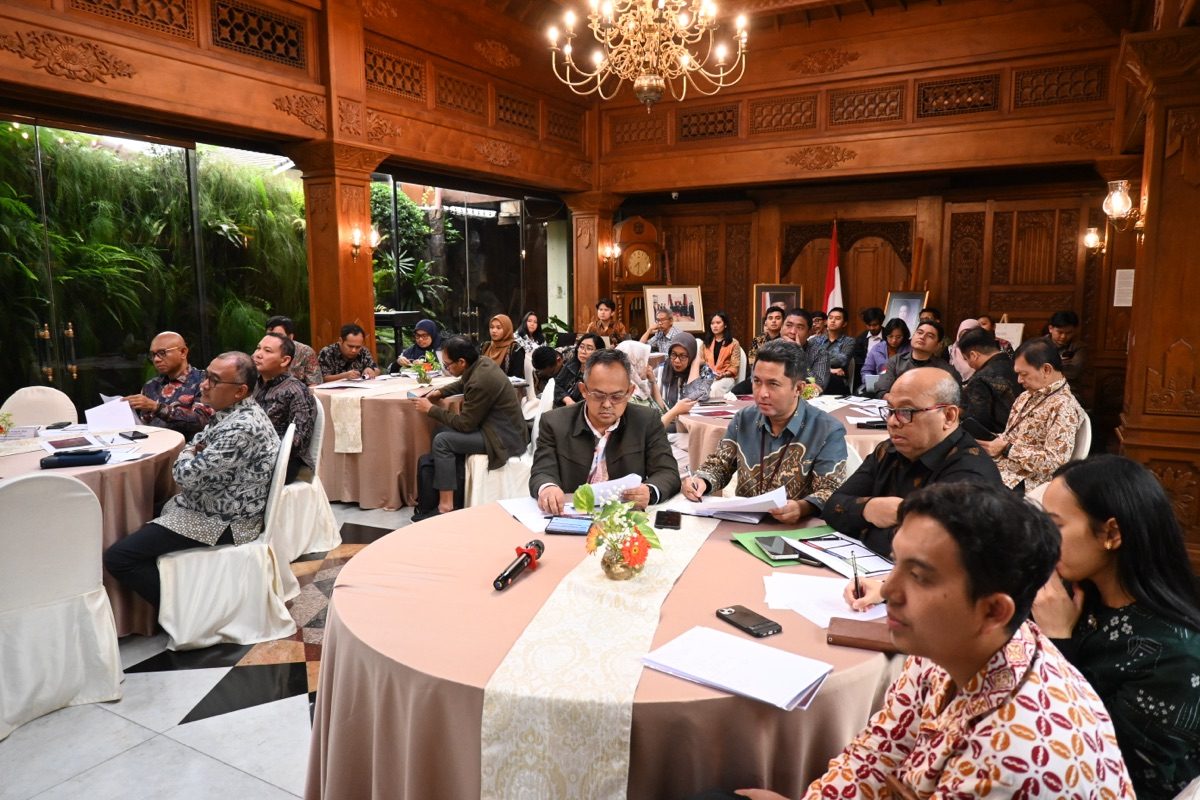
Think Policy bridges the technical and the political. We work with you to understand institutional constraints, stakeholder dynamics, and what it takes to build momentum. We combine policy analysis, stakeholder engagement, facilitation, and implementation support to help turn ideas into action.
Solutions built with the institutions that will own them, not handed over from a distance.
Structured processes that move stakeholders from analysis to aligned action.
Strengthening the people and relationships that keep reform working after we leave.
Over the past decade, Indonesia has undergone a profound digital transformation, driven by rapid growth in connectivity, digital platforms, online services, and technology adoption. Yet while progress has been significant, lessons from this period are often scattered across sectors, institutions, and policy discussions.
As Indonesia enters a new phase of digital development, policymakers face a critical question: what has worked, what has not, and what should shape the next chapter of the country’s digital journey?
Think Policy partnered with PROSPERA and the Ministry of Communication and Digital Affairs (Komdigi) to conduct a strategic reflection on Indonesia’s digital transformation between 2014 and 2024. Drawing on policy analysis, stakeholder consultations, and a review of key developments across digital infrastructure, governance, platform economies, and pandemic-era digital acceleration, the project examined how digitalization has reshaped Indonesia’s economy, institutions, and society.
The objective was to document progress, enriched by generating insights that could inform future policy choices.
The project produced a strategic reflection on Indonesia's digital transformation, bringing together a decade of policies, reforms, and emerging challenges into a single narrative. More than a retrospective exercise, the report helped identify the policy questions that will shape the next phase of digital development, from governance and inclusion to innovation and institutional readiness.
The result was a clearer foundation for policymakers seeking to move from rapid digital growth toward more purposeful digital transformation.
Indonesia's digital health sector was growing faster than the regulatory frameworks designed to govern it. New telemedicine platforms, health applications, and digital health services were entering the market, creating opportunities for innovation but also raising questions around patient safety, compliance, and regulatory oversight.
Policymakers faced a difficult challenge on how to encourage innovation without compromising public trust and health outcomes.
Think Policy partnered with the British Embassy Jakarta, Instellar, and the Ministry of Health to explore a more adaptive approach to regulation. Rather than relying solely on conventional rulemaking, the project introduced a regulatory sandbox model that allowed emerging health technologies to be tested in a controlled environment while regulators observed real-world implementation challenges.
Through stakeholder consultations, compliance reviews, and direct engagement with innovators, the programme generated practical insights into how regulation could keep pace with technological change.
In collaboration with Instellar and the British Embassy Jakarta, Think Policy supported the Ministry of Health in establishing Indonesia’s first regulatory sandbox for health technology startups, providing strategic advisory on sandbox design, implementation, and regulatory oversight. The initiative enabled 15 digital health platforms to undergo live testing, compliance assessments, and regulatory review, generating practical evidence on how emerging technologies interact with existing health regulations.
Insights from the process informed recommendations for future telehealth and telemedicine policies, while helping the Ministry of Health balance innovation, safety, and public trust in Indonesia’s rapidly growing digital health ecosystem.
Indonesia’s climate commitments increasingly depend on the ability of multiple institutions to work together. While responsibilities for climate action span ministries, sectors, and levels of government, coordination mechanisms often struggle to keep pace with the complexity of implementation.
As a result, challenges around institutional mandates, policy alignment, and accountability can become barriers to translating climate targets into action.
Think Policy partnered with UK PACT to examine how Indonesia’s climate governance architecture supports and/or constrains the implementation of its Nationally Determined Contributions (NDCs). Through policy analysis, stakeholder consultations, and institutional assessments, we explored the governance arrangements, coordination challenges, and decision-making processes shaping climate action across key ministries.
The work focused on understanding not only what policies exist, but how institutions interact to deliver them in practice.
Think Policy provided advisory support to strengthen coordination between the Ministry of Environment, Bappenas, and the Ministry of Energy and Mineral Resources, helping identify opportunities to improve policy coherence and institutional alignment around Indonesia’s climate agenda. The project combined governance diagnostics with stakeholder engagement to generate recommendations on coordination, implementation, and monitoring of NDC commitments.
By grounding climate action in a clearer understanding of institutional realities, the engagement helped strengthen the foundations for more effective and accountable climate governance.
Indonesia has made significant progress in establishing the regulatory foundations for carbon pricing, but implementation requires alignment across a diverse ecosystem of government agencies, industry actors, financial institutions, and market participants. While the rules were taking shape, there remained important questions around stakeholder readiness, institutional coordination, market confidence, and public understanding.
Without a clearer picture of these dynamics, efforts to operationalize carbon pricing risked facing resistance, uncertainty, and uneven uptake.
Think Policy partnered with BPDLH to assess the broader ecosystem surrounding Indonesia’s carbon pricing agenda. Combining stakeholder mapping, political economy analysis, and ecosystem research, we examined how different actors understood carbon pricing, what incentives shaped their behavior, and where barriers to implementation were most likely to emerge.
The objective was to generate actionable insights that could help policymakers navigate both the technical and political dimensions of the transition.
Think Policy delivered a strategic assessment of Indonesia’s carbon ecosystem, identifying key stakeholder groups, implementation bottlenecks, and opportunities to strengthen institutional alignment around carbon pricing. Through research, stakeholder consultations, and thematic dialogues, the project generated evidence-based recommendations on communications, engagement, and policy implementation strategies.
The work provided BPDLH with a deeper understanding of the landscape in which carbon pricing would operate, helping inform a more coordinated and inclusive approach to Indonesia’s low-carbon transition.
Indonesia’s urban climate agenda increasingly requires development finance institutions to mobilize capital toward low-carbon and climate-resilient infrastructure at scale. However, translating climate ambitions into investable projects remains challenging due to institutional capacity gaps, evolving financing needs, and limited integration of climate considerations into investment decision-making processes.
Strengthening financial institutions’ readiness is therefore critical to accelerating the pipeline of bankable climate infrastructure projects.
Think Policy partnered with Agence Française de Développement (AFD) to assess PT SMI’s institutional readiness and technical assistance needs within the framework of the National Development Bank's Urban Climate Action (NUCA) Programme. Combining institutional diagnostics, climate finance analysis, and stakeholder engagement, the project identified priority areas where capacity-building, financial instruments, and organizational systems could better support climate-responsive investments.
The assessment focused on aligning institutional capabilities with emerging opportunities in urban climate finance and sustainable infrastructure development.
Think Policy delivered a comprehensive assessment and strategic roadmap to support PT SMI’s role in financing Indonesia’s urban climate transition. The project prioritized climate finance instruments, identified technical assistance needs, and developed a phased learning and capacity-building pathway to strengthen climate-related investment practices.
By enhancing PT SMI’s ability to integrate mitigation and resilience considerations into financing strategies, the initiative contributed to a stronger institutional foundation for scaling climate infrastructure investment across Indonesia.
As Indonesia prepared for a government transition, the Ministry of Health needed to sustain momentum in advancing its Digital Health Transformation Strategy (DHTS) 2025-2029. Persistent challenges, including fragmented health data, limited interoperability, and the need for stronger stakeholder coordination, risked slowing progress and weakening evidence-based decision-making.
A shared strategic direction was needed so that digital health reforms remained aligned with national priorities.
Think Policy partnered with the British Embassy Jakarta to support the Ministry of Health in developing a practical roadmap for the next phase of Indonesia’s digital health transformation.
Through strategic document reviews, multi-stakeholder focus group discussions, and policy analysis, we brought together government institutions, healthcare providers, and digital health innovators to identify priorities, implementation challenges, and opportunities for collaboration.
Think Policy produced strategic implementation roadmaps that informed key priorities within Indonesia’s Digital Health Transformation Strategy 2025-2029, particularly on strengthening inclusive digital health services and sparking innovation across the health ecosystem.
By consolidating stakeholder perspectives into actionable recommendations, the project helped strengthen policy continuity, improve cross-sector alignment, and support the development of a more resilient, data-driven digital health system.
Indonesia’s digital transformation is advancing quickly, but many public services remain institution-driven rather than citizen-centered. This creates fragmented user experiences and limits the impact of digital reforms on accessibility, efficiency, and trust.
A practical, system-wide approach is needed to translate digital ambition into better service delivery.
Think Policy supported Komdigi, KemenPANRB, and Bappenas as a strategic advisor and implementation partner to strengthen citizen-centered public services. The work combined policy analysis, stakeholder engagement, and human-centered design to bridge national digital transformation priorities with real-world service delivery needs.
This process informed the development of a Life-Cycle Public Service Playbook.
Think Policy delivered a Human-Centered Public Service Playbook that translates design principles into actionable guidance for government agencies.
Formally adopted by KemenPANRB, the playbook provides a shared framework to improve how services are designed and delivered across the citizen journey, strengthening the foundation for more integrated and responsive public services.
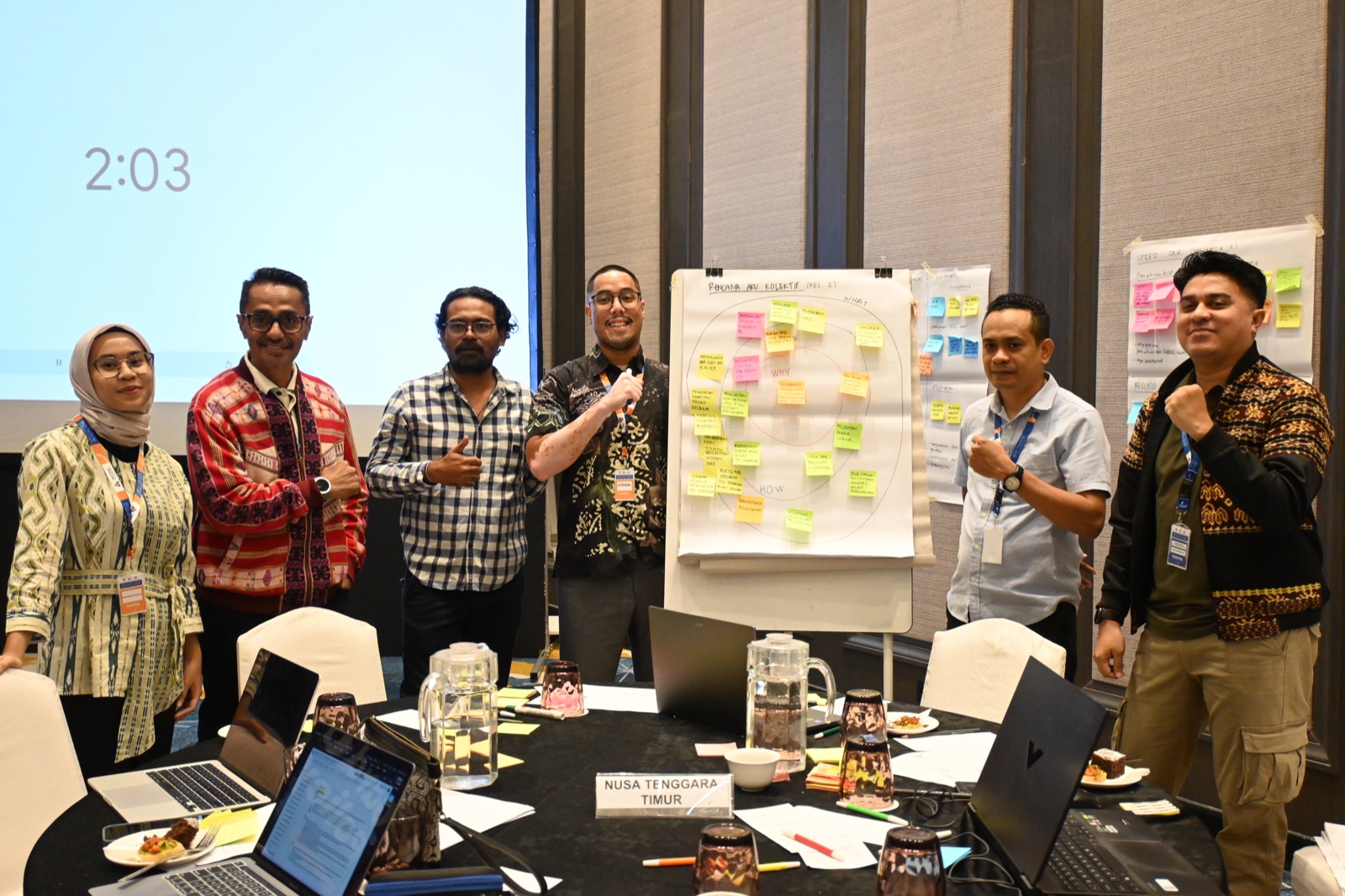
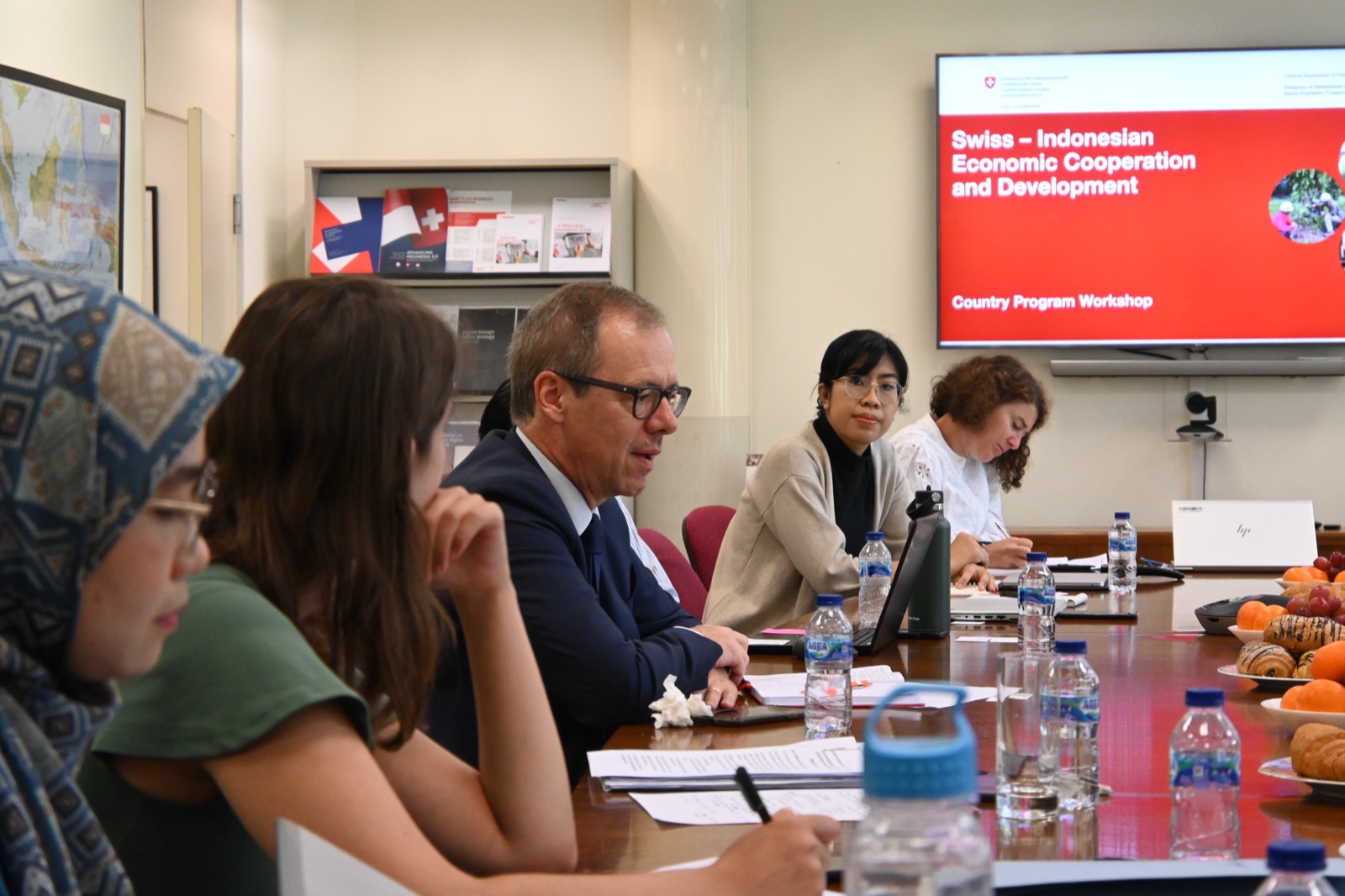
Good ideas often stay in silos when the people needed to move them forward rarely have a space to work together.
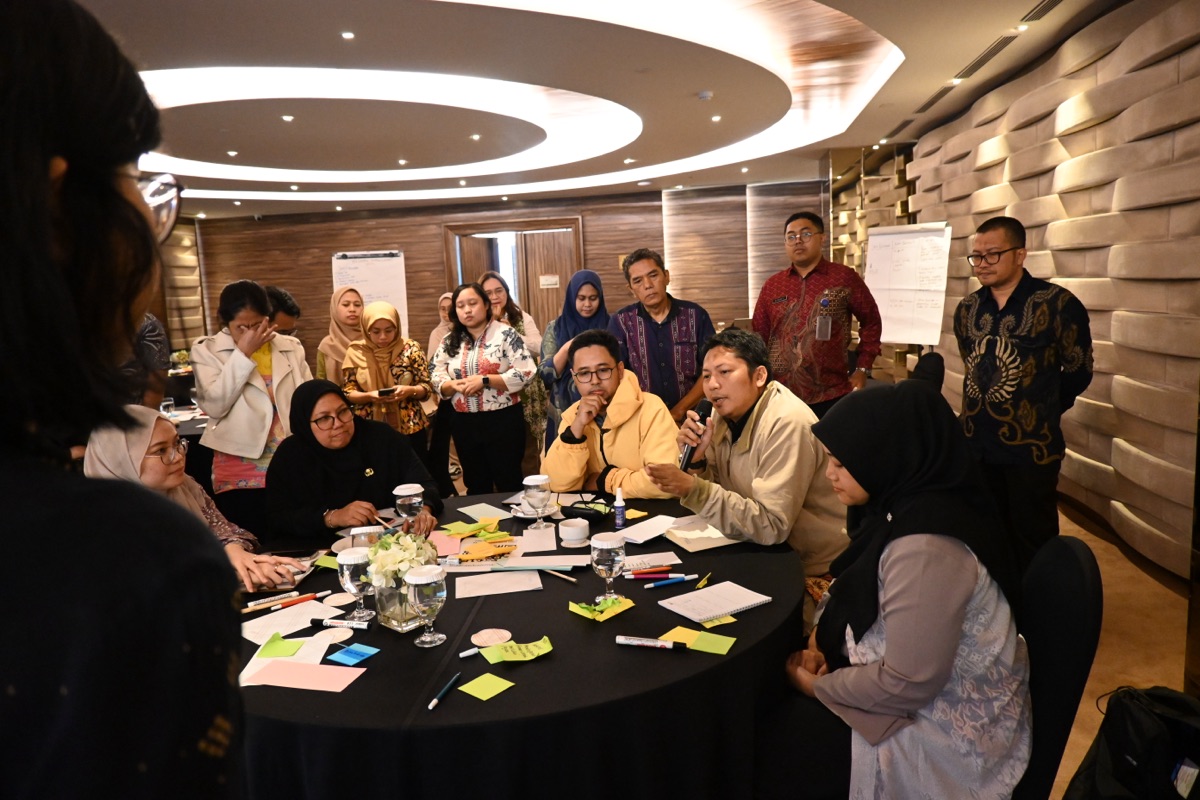
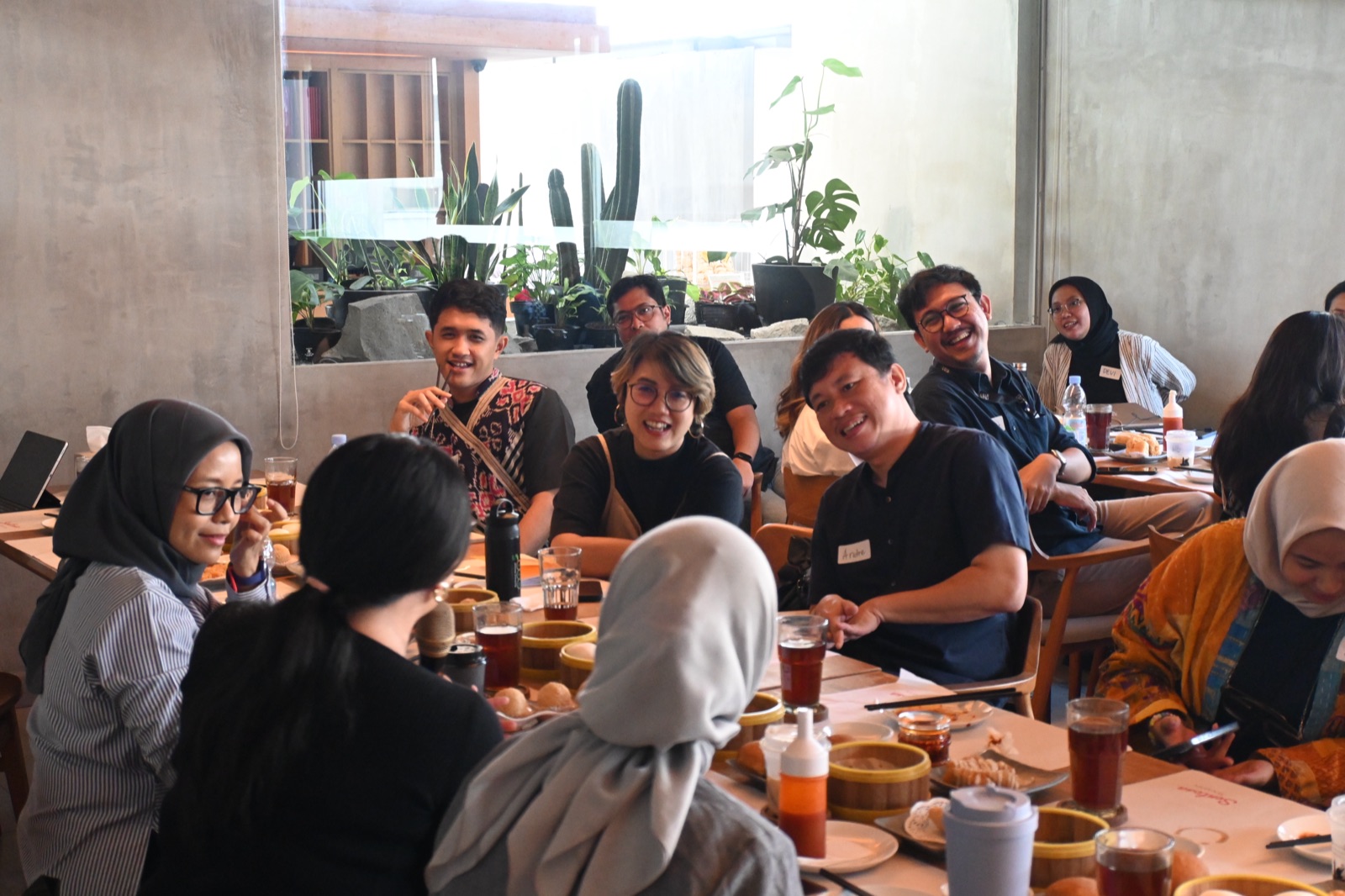
Think Policy brings together people who may not usually share the same room. We design spaces for open exchange, practical problem-solving, and trust-building. Our role is not to become the loudest voice in the room; we design the conditions for others to connect, deliberate, and move together.
Substance-first agendas that respect the expertise in the room and move it toward decisions.
Grounded reading of incentives, mandates, and relationships so dialogue lands where change actually sits.
Indonesia’s climate ambitions are increasingly constrained not by a lack of technical solutions, but by the complexity of governance. Following the issuance of Presidential Regulation No. 110/2025 on the Economic Value of Carbon, ministries faced a rapidly evolving policy landscape marked by overlapping mandates, differing interpretations of institutional roles, and unclear coordination mechanisms.
While some agencies viewed climate action as peripheral to their core responsibilities, others struggled to translate national commitments into sectoral priorities, creating a risk that implementation would become fragmented and undermine progress toward Indonesia’s Nationally Determined Contributions (NDCs).
Think Policy partnered with RCCC UI under the UK PACT NDC Governance Programme to help strengthen Indonesia’s climate governance architecture. Moving beyond a purely technical assessment, we analyzed how institutional mandates, stakeholder incentives, and coordination dynamics shape the implementation of climate policy in practice. This approach revealed not only regulatory gaps, but also the governance challenges that often determine whether reforms succeed or stall.
Drawing on these insights, Think Policy convened strategic dialogues across government institutions to build alignment around governance priorities and reform pathways. By combining evidence-based analysis with structured stakeholder engagement, the programme transformed fragmented perspectives into actionable recommendations. The result was a stronger foundation for cross-government coordination and more effective delivery of Indonesia’s climate commitments.
Our engagement found that the primary obstacle to climate implementation was not the absence of policy frameworks, but the fragmentation of institutional ownership. Climate action was frequently treated as a standalone agenda rather than a mechanism for advancing broader development priorities, limiting coordination across government. Through a series of facilitated dialogues and a high-level ministerial roundtable, we helped reposition NDC implementation as a tool for strengthening economic resilience, disaster preparedness, and public welfare, enabling stakeholders to identify practical entry points for integrating climate objectives into existing planning and sectoral mandates.
The process culminated in a shared set of governance recommendations and stronger alignment across ministries, helping shift climate governance from a compliance exercise to a collective development agenda.
Indonesia's carbon pricing architecture has advanced rapidly, but implementation depends on a far broader set of actors than regulators alone. Ministries, industry associations, financial institutions, investors, civil society organizations, and market participants all have a role to play, yet many were operating with different assumptions, priorities, and levels of understanding about how the system would work in practice.
As a result, conversations about carbon pricing often remained fragmented, making it difficult to build trust, coordinate action, and generate broader ownership of the transition.
Think Policy supported BPDLH in designing a convening strategy that positioned stakeholder engagement as a core implementation tool rather than a supporting activity. Combining ecosystem mapping, stakeholder analysis, and political economy insights, we identified the actors, incentives, and institutional dynamics shaping Indonesia’s carbon ecosystem.
This foundation informed a series of tailored dialogues designed to surface barriers, align perspectives, and build consensus around the opportunities and challenges of carbon pricing implementation.
Think Policy established and facilitated the Carbon Dialogue platform, bringing together government, industry, finance, development partners, academics, and civil society to discuss the future of Indonesia's carbon market. Organized around themes such as energy transition, industrial competitiveness, climate finance, technology, and non-market mechanisms, the dialogues created a space for stakeholders to exchange perspectives, surface implementation challenges, and explore areas of alignment.
More than a discussion forum, Carbon Dialogue helped build the relationships, trust, and shared understanding needed to move carbon pricing from a regulatory framework into a collective national agenda.
As children spend more of their lives online, questions around safety, wellbeing, and healthy digital experiences have become increasingly difficult to address through isolated interventions. Parents worry about screen time and harmful content, educators struggle to keep pace with rapidly evolving platforms, while technology companies and creators face growing expectations to balance engagement, safety, and freedom of expression.
Yet despite sharing many of the same concerns, these groups rarely have opportunities to discuss challenges together, resulting in fragmented responses that often fail to reflect the realities of children's digital lives.
Think Policy partnered with Google to bring together the actors shaping children's online experiences into a single conversation. Through a series of facilitated focus group discussions, we explored how different stakeholders understand online risks, where perceptions and priorities diverge, and what forms of collaboration are needed to better support children in digital environments.
Rather than focusing on individual responsibilities, the discussions examined how families, schools, platforms, creators, and policymakers collectively influence children's online experiences.
The project created a rare space for cross-sector dialogue on child online safety, generating practical insights that would have been difficult to surface through stakeholder consultations conducted in isolation. The discussions revealed shared concerns around digital literacy, platform accountability, parental support, and the changing nature of children's online interactions, while also identifying opportunities for greater coordination across sectors.
By helping stakeholders move beyond siloed perspectives, the initiative contributed to a stronger foundation for a collective "community of care" approach to child wellbeing in the digital age.
Indonesia's net-zero ambitions increasingly depend on people, not just technology and investment. While demand for sustainability-related skills is growing across sectors, conversations about workforce development often remain disconnected from discussions on climate policy, business transformation, and educational priorities. This creates a gap between the talent needed for the transition and the systems responsible for preparing it.
Think Policy partnered with Monash University Indonesia to create a forum that brought together actors shaping Indonesia's sustainability workforce from different angles. Rather than treating the talent gap as solely an education challenge, the discussion examined how government policy, industry demand, academic institutions, and civil society initiatives intersect in preparing future-ready talent.
The forum was designed to surface practical insights, challenge assumptions, and identify opportunities for collaboration across sectors.
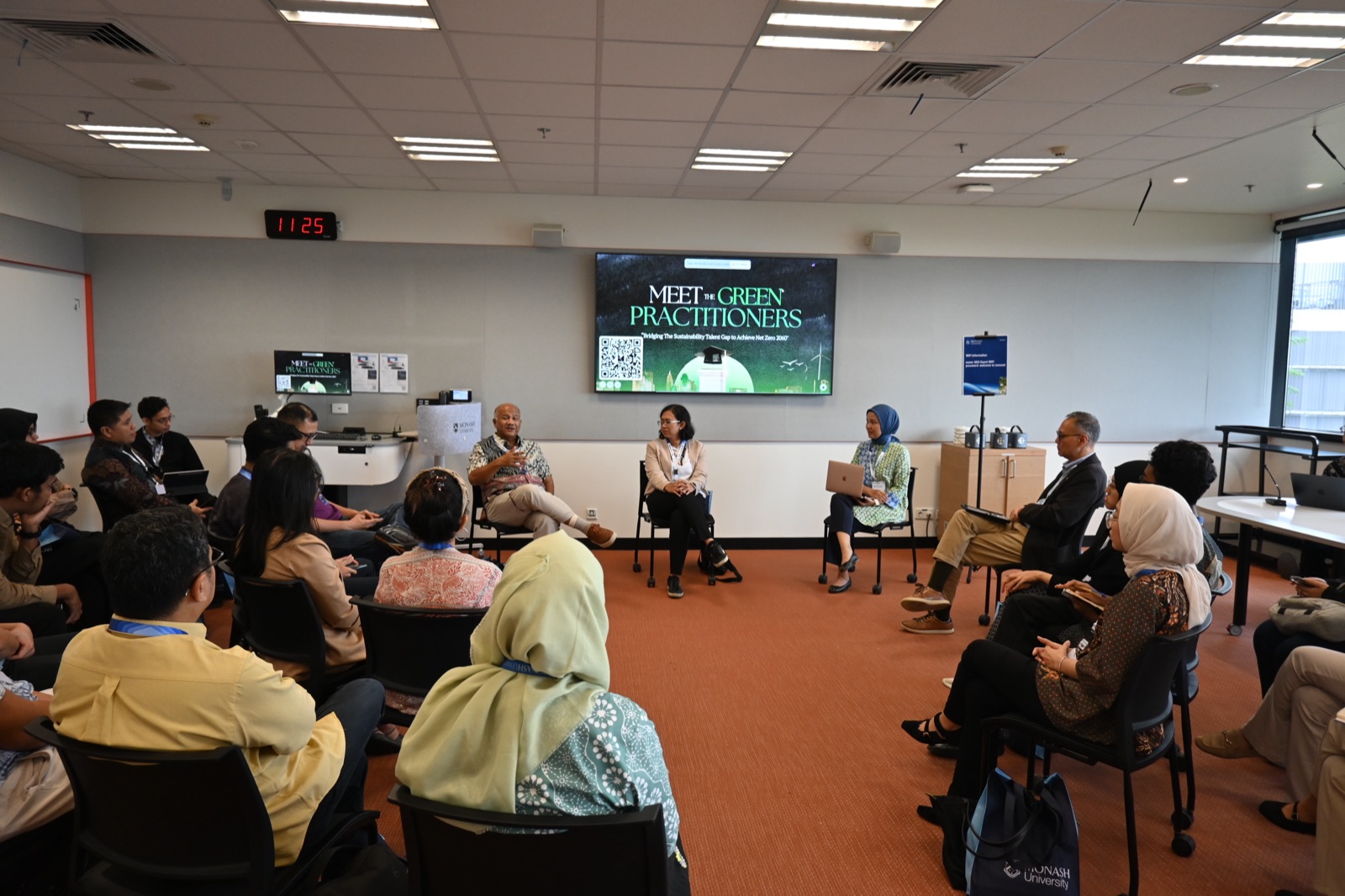
Think Policy led the design and delivery of the Sustainability Forum: Bridging the Sustainability Talent Gap to Achieve Net Zero 2060, from concept development and speaker curation to stakeholder engagement and facilitation. The forum convened representatives from government, industry, academia, and civil society to explore the skills, capabilities, and institutional partnerships needed to support Indonesia's long-term sustainability transition.
By creating a shared space for dialogue, the initiative helped connect workforce development with the broader economic and climate transformations already underway.
As artificial intelligence began gaining traction across sectors in Indonesia, discussions about governance, adoption, and regulation were moving faster than the institutions responsible for shaping policy. Government agencies, businesses, researchers, and civil society organizations often approached AI from different starting points, creating fragmented conversations about risks, opportunities, and priorities. Without a shared understanding of how AI could affect Indonesia's economy, workforce, and public institutions, there was a risk that policy development would struggle to keep pace with technological change.
Think Policy partnered with the British Embassy Jakarta and the UK–Indonesia Tech Hub to create a structured process for bringing diverse perspectives into the development of Indonesia's AI agenda. Through a series of sectoral and cross-cutting dialogues, we engaged stakeholders from government, industry, academia, and civil society to explore how AI was already being used, where governance challenges were emerging, and what policy questions required greater attention.
The objective was to build a stronger evidence base for decision-making and identify areas of convergence across stakeholders.
Think Policy designed and facilitated six multi-stakeholder forums that informed the development of Indonesia's AI Roadmap under the Ministry of Communication and Digital Affairs (Komdigi). The discussions generated recommendations on AI governance, workforce readiness, innovation, and sectoral adoption, while helping bridge perspectives across institutions that would ultimately shape Indonesia's AI future.
By creating a space for dialogue between policymakers and the broader technology ecosystem, the project contributed to a more coordinated and forward-looking approach to artificial intelligence policymaking in Indonesia.
Women remain underrepresented in leadership roles across the energy sector, despite playing an increasingly important role in driving the clean energy transition. While technical expertise is growing across the region, opportunities for mentorship, professional networks, and leadership development remain uneven, particularly for women seeking to advance into decision-making positions.
As the transition accelerates, building a more diverse pipeline of energy leaders has become both an equity challenge and a strategic imperative.
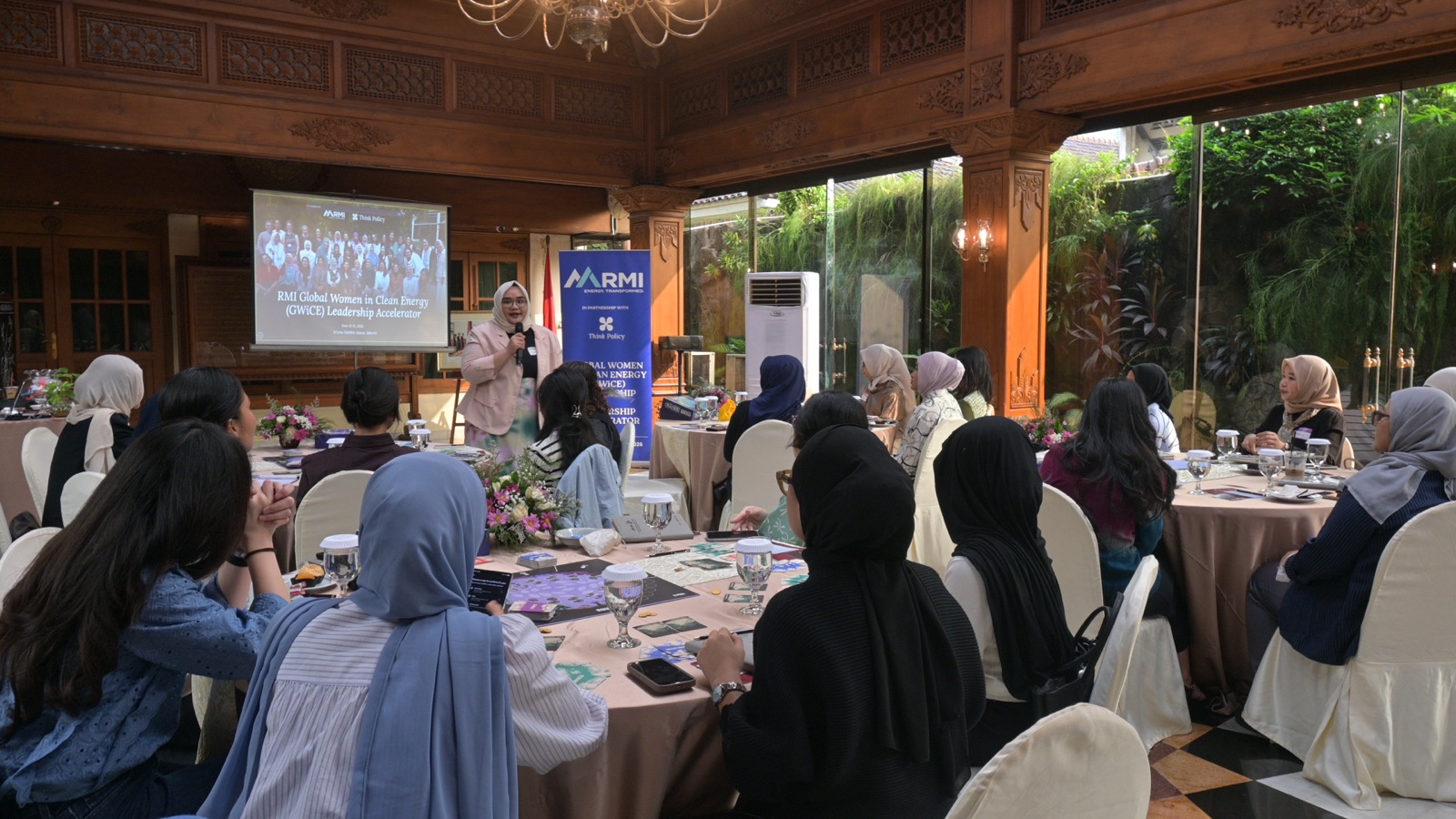
Think Policy partnered with Rocky Mountain Institute (RMI) to support the Energy Transition Academy's Women in Energy Transition Fellowship, a regional initiative designed to strengthen leadership among women working across government, academia, civil society, and the energy industry. Rather than focusing solely on technical training, the programme combined mentorship, peer learning, leadership development, and ecosystem building to help participants navigate the challenges of leading change within complex institutions and sectors.
Think Policy served as the local implementation partner for the fellowship's launch and Leadership Accelerator, while also supporting mentorship sessions, peer-learning activities, capstone projects, and stakeholder engagement throughout the programme. From convening emerging leaders and senior practitioners to designing collaborative learning experiences and industry exposure opportunities, the initiative created pathways for participants to build skills, networks, and confidence as leaders in the clean energy transition.
By strengthening both individual leadership capacity and regional professional connections, the programme contributed to a more diverse and resilient ecosystem of women leaders shaping Southeast Asia's energy future.
New challenges often require us to look at familiar problems differently.
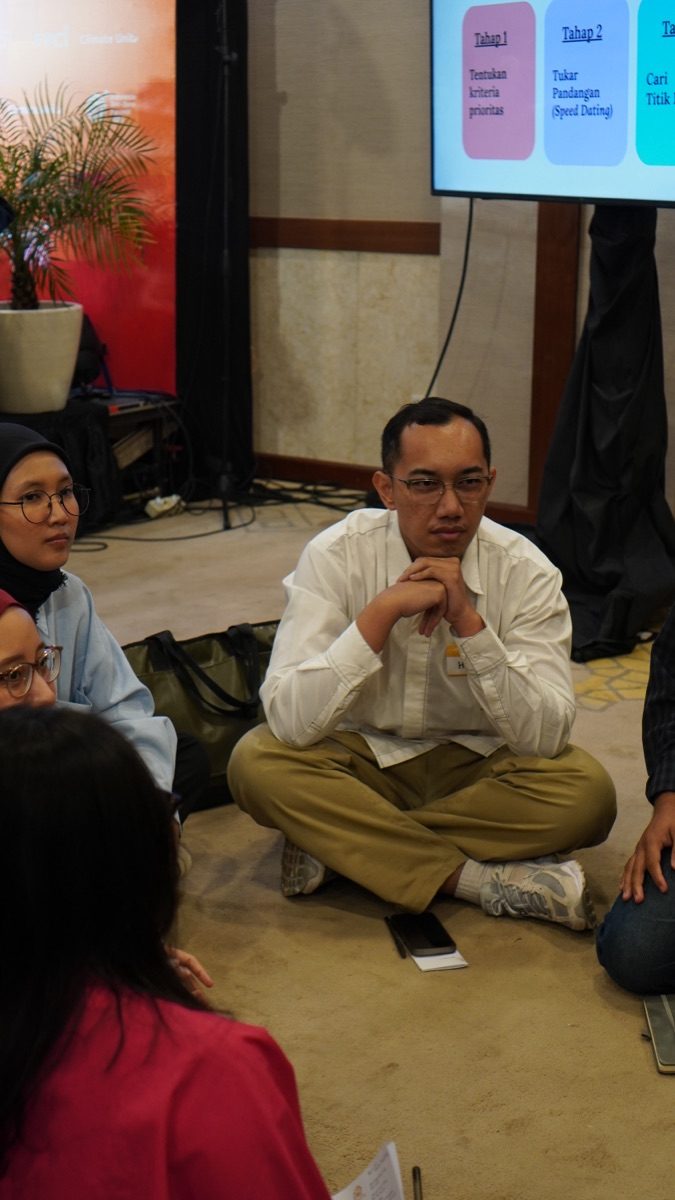
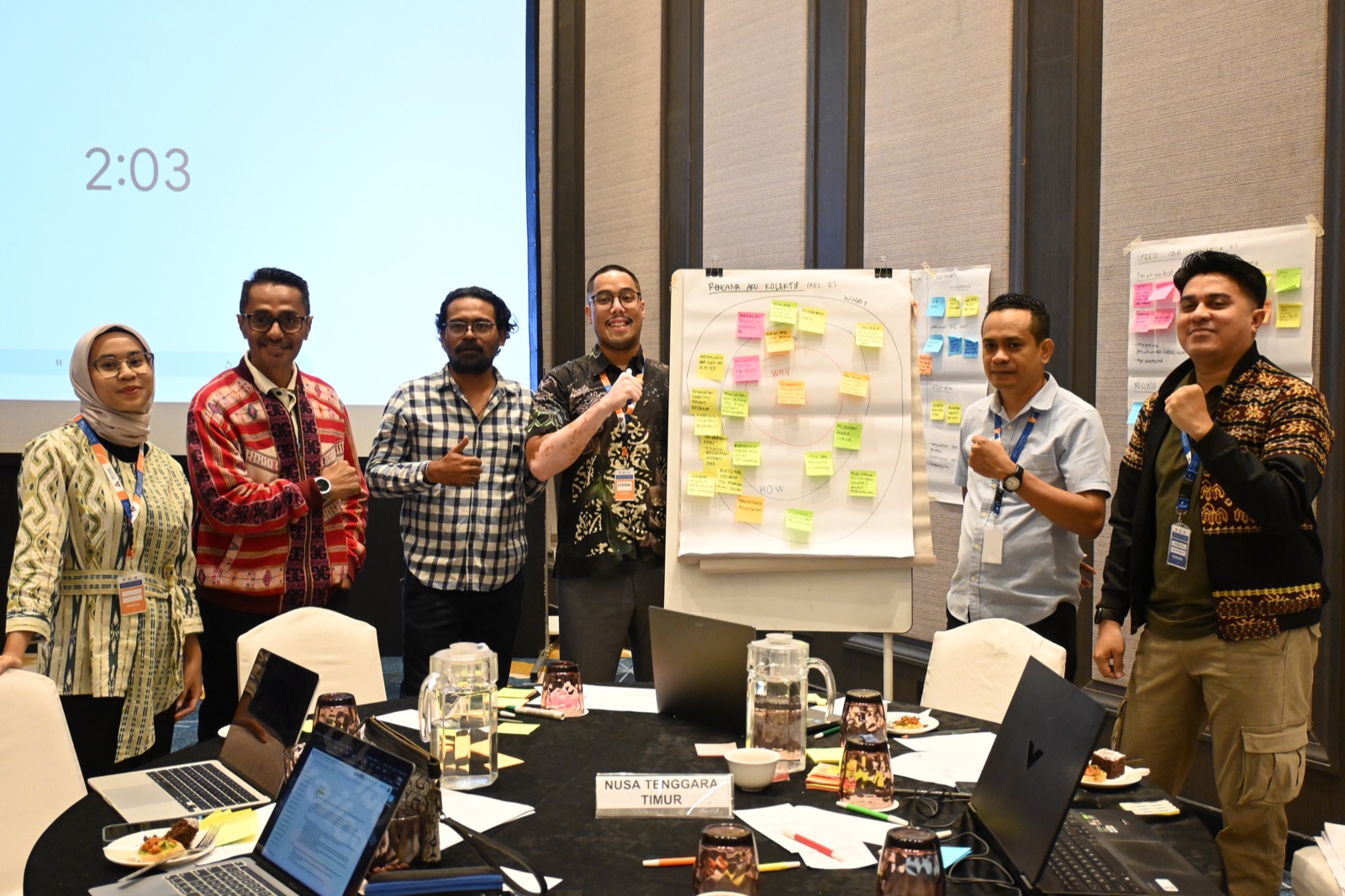
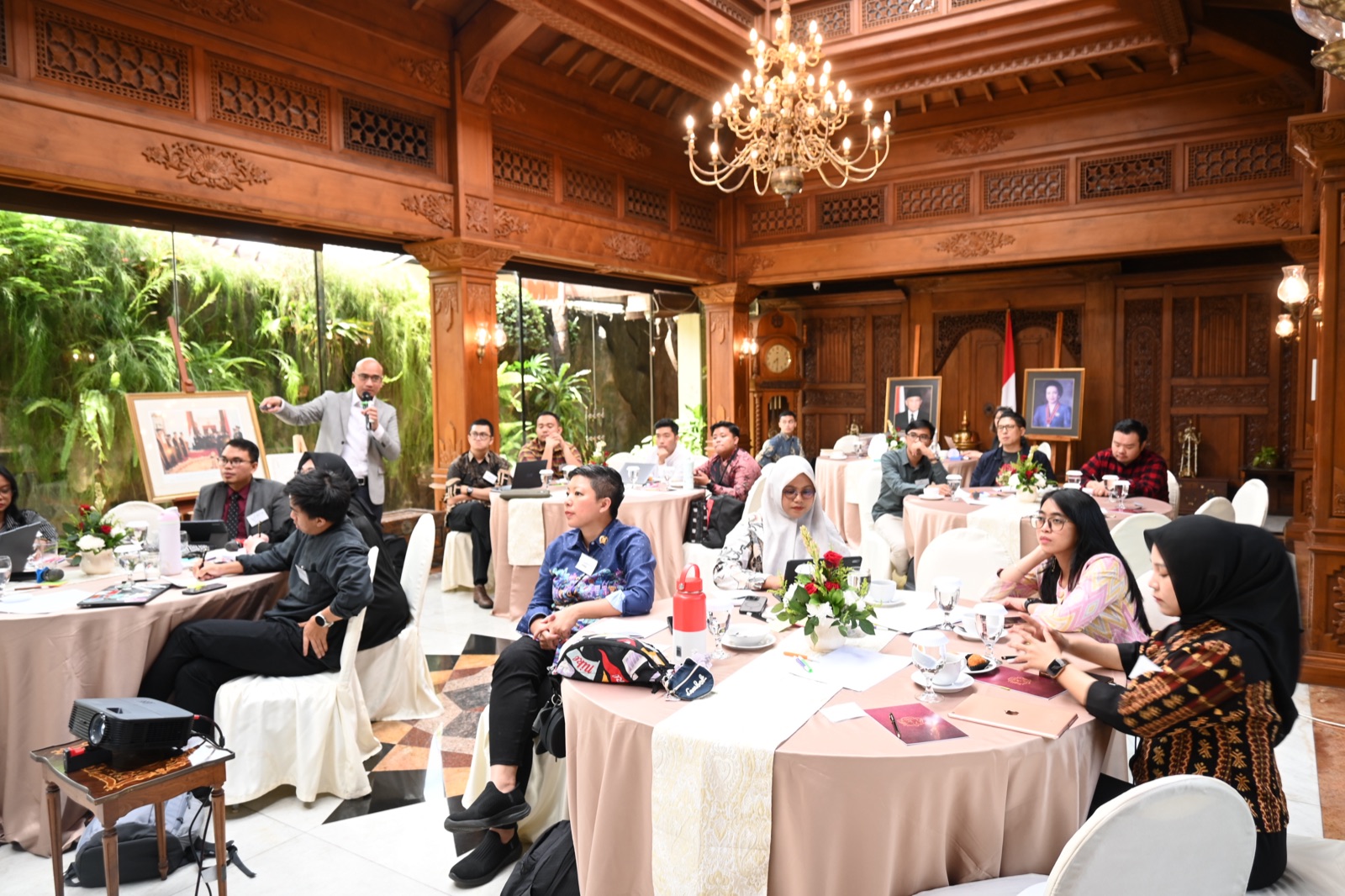
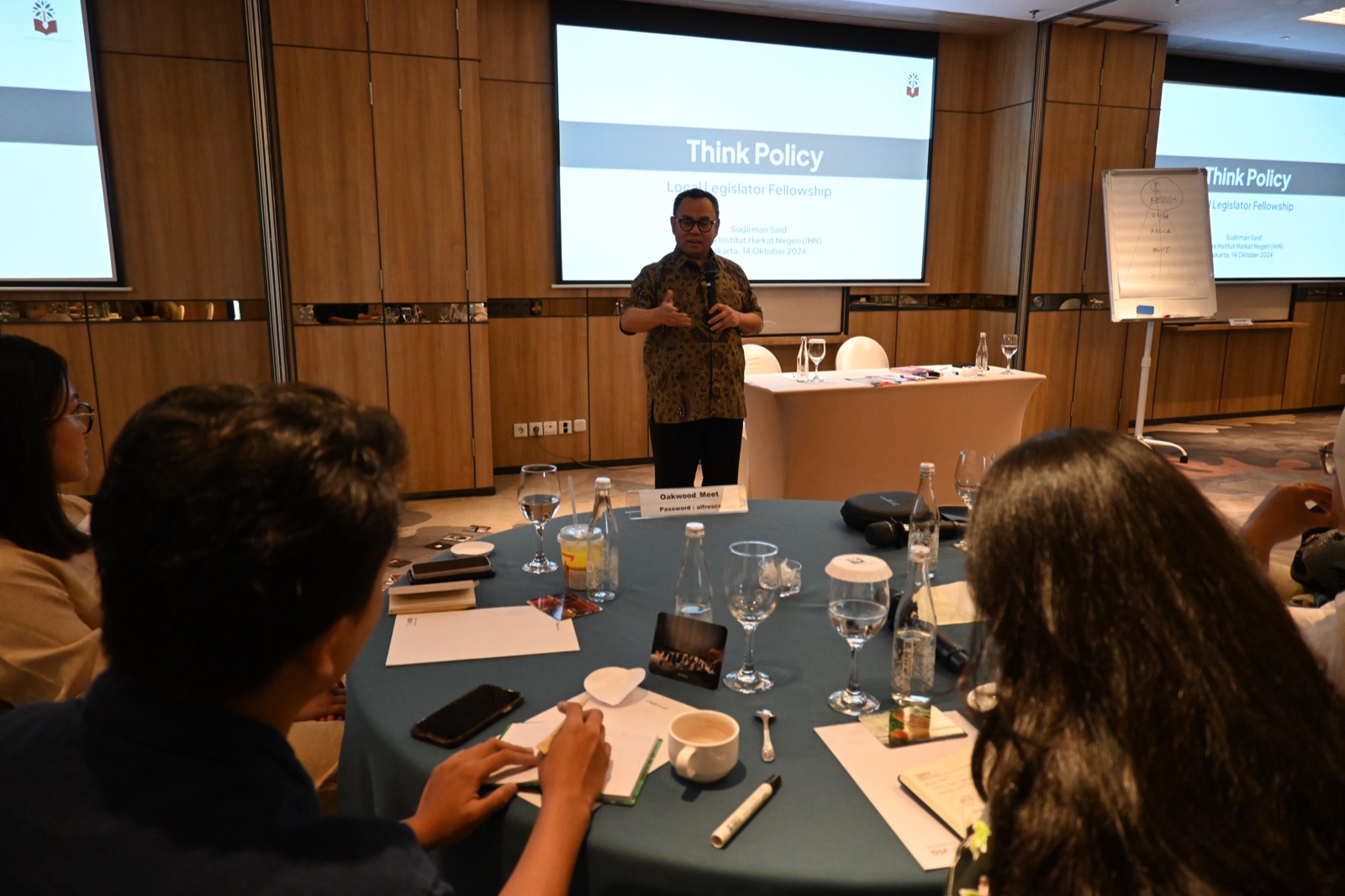
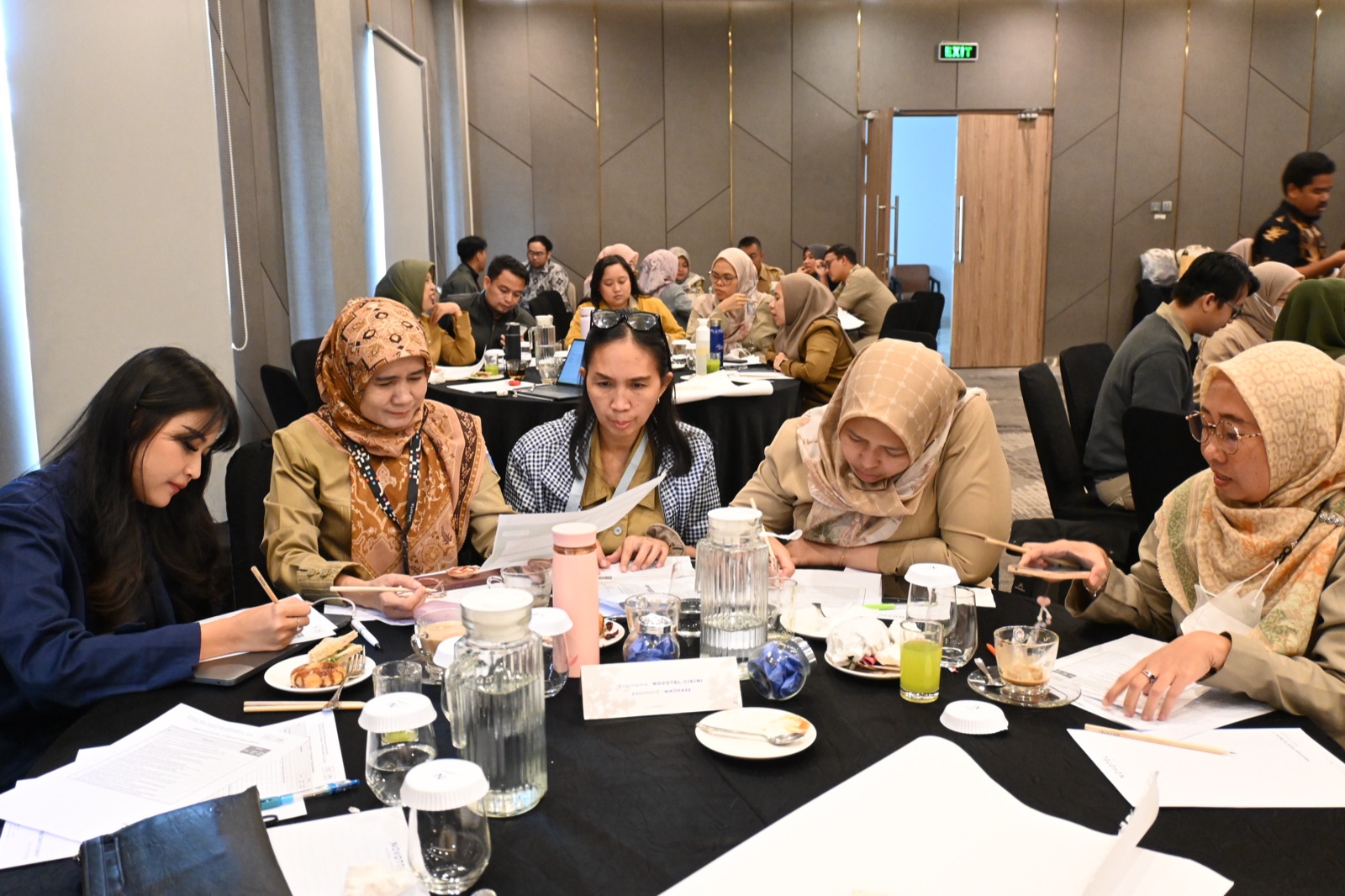
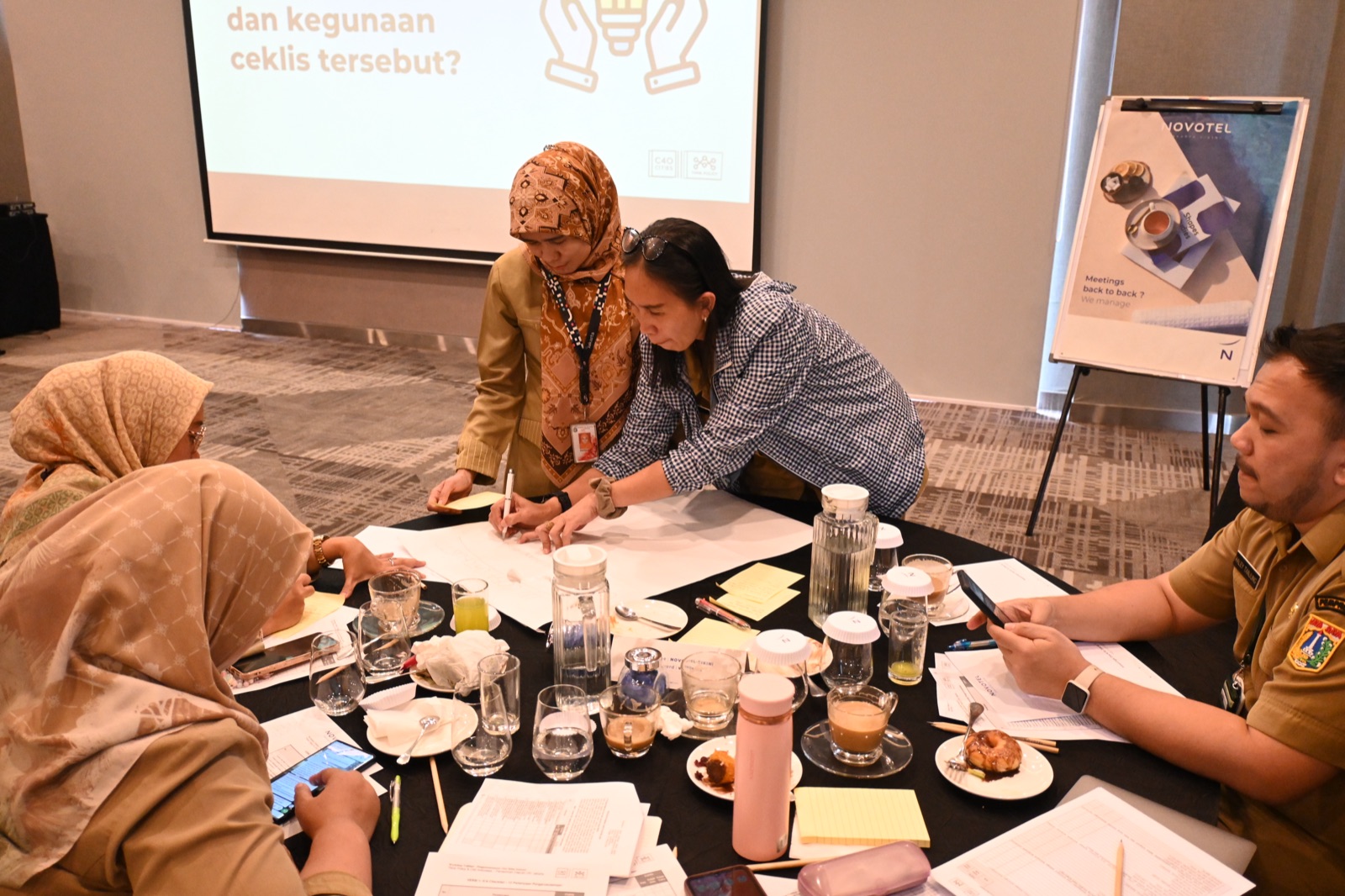
Think Policy creates spaces for people and institutions to reflect, exchange perspectives, and test new ways of thinking. Through facilitated learning, cross-sector exchange, and practical reflection, we create space to adapt approaches and respond to complexity with greater clarity.
Participants independently and actively seek knowledge, connecting new insights to personal and professional challenges.
The wealth of experience participants bring enriches discussions and deepens theories and frameworks.
Real-world simulations, prototyping, and reflections as part of a meaningful learning experience.
As Indonesia advances toward its 2045 vision, public institutions face a critical gap: preparing young leaders to navigate increasingly complex and uncertain policy environments.
For the Directorate General of State Assets, technical expertise alone is insufficient. Emerging leaders must also understand how policy problems are formed, how decisions are made under uncertainty, and how reform can be advanced within institutional constraints.
Think Policy designed a leadership bootcamp for high-potential officials under 35, focused on shifting mindsets from procedural execution to adaptive leadership.
The program equipped participants with tools to distinguish adaptive from technical challenges, diagnose root causes, apply behavioral insights in policy design, make evidence-informed decisions, and communicate across diverse stakeholders.
The program was built in applied policy innovation projects, where participants worked on real institutional challenges within their own context.
Beyond tools and frameworks, the initiative pushed participants to rethink how public institutions create value, strengthening a pipeline of young leaders better prepared to drive reform and innovation across Indonesia’s public sector.
Urban challenges such as congestion, climate risks, inequality, and service delivery gaps require governments to move beyond conventional planning approaches.
For the Jakarta Regional Planning and Budgeting Agency, strengthening innovation capacity meant equipping staff to better understand how policy ideas evolve, from problem identification to implementation in complex urban systems.
Think Policy developed a learning program focused on four critical capabilities: identifying root causes, mapping stakeholders, designing policy solutions, and communicating effectively. The program encouraged participants to challenge assumptions, understand political and institutional realities, and design interventions that could gain support across stakeholders.
Rather than treating planning as a technical exercise, participants explored how policy outcomes are shaped by incentives, power dynamics, and citizen perspectives.
The result was a stronger foundation for innovation within the planning process, helping officials approach urban challenges through a more evidence-based and human-centered lens.
As cities face increasingly complex and interconnected problems, adaptive policy capabilities become as important as technical expertise.
Community-based evidence can be powerful, but translating field realities into policy change requires more than evidence alone. Advocacy teams need to navigate local actors, institutions, incentives, and power dynamics to identify where change can gain traction.
Think Policy worked with four Rare Indonesia colleagues through a three-day Coaching Clinic, using their real advocacy cases and questions as the starting point. Rather than providing a ready-made playbook, the Clinic created space to test assumptions, map interests, and explore potential advocacy entry points.
The Clinic helped participants connect their desired policy change with the actors, entry points, and conditions needed to move it forward; leaving the team with a clearer advocacy pathway and concrete next steps.
Indonesia’s health transformation agenda requires planning capacity that goes beyond technical compliance. As the Ministry of Health advances system-wide reforms, planning teams are expected to translate broad strategic priorities into implementable programs across a complex institutional landscape.
In practice, planning often remains anchored in budgeting cycles, reporting requirements, and procedural compliance. This limits the ability to connect long-term reform objectives with the realities of implementation.
Think Policy partnered with the Bureau of Planning and Budgeting to strengthen the capabilities of health planners through a structured learning journey on strategic thinking, policy design, and implementation.
Over seven weeks, participants worked through core public policy concepts: analytical reasoning, policy instruments, and execution challenges, grounded in real priorities from the Ministry’s transformation agenda. The emphasis was on shifting planning from a procedural function to a more strategic, problem-solving role within government.
The program strengthened a cohort of planners with sharper analytical and strategic capabilities, enabling them to better navigate complexity, identify implementation risks early, and link policy intent with measurable delivery outcomes.
This shift reinforces a more adaptive planning function within the Ministry, one that is better positioned to support health transformation at scale.
Public sector innovation efforts often stall because interventions are designed around symptoms rather than the underlying drivers of policy problems.
Without a structured approach to diagnosis, innovation risks becoming solution-led, limiting its relevance and impact in addressing complex institutional challenges.
Through the ASN Award Ideathon Competition, the Ministry of Home Affairs aimed to foster a more problem-driven culture of innovation among civil servants. The focus was on helping participants move beyond solution-first thinking toward stronger analytical grounding in problem diagnosis.
Think Policy designed a bootcamp that guided participants through the full cycle of policy innovation, starting from root cause analysis. Participants learned to separate symptoms from structural issues, map key stakeholders, analyze power dynamics, explore policy instruments, and develop strategies for influencing change.
Rather than treating innovation as a competition outcome, the program reframed it as a disciplined process of understanding problems through evidence, context, and institutional realities.
By the end of the journey, participants developed a more structured way of working with public problems grounded in evidence, empathy, and implementation constraints.
The challenge of financing climate-resilient infrastructure is both about capital and capability. Many institutions are being asked to support a transition whose risks, opportunities, and investment logics differ fundamentally from those that shaped conventional infrastructure finance.
As climate considerations become increasingly central to development planning, institutions must learn new ways of evaluating, prioritizing, and financing projects.
Think Policy partnered with AFD and PT SMI through the NUCA Programme to explore what this shift means in practice. Through interviews, workshops, and institutional assessments, we looked at how climate considerations are entering investment decisions, where existing approaches still fall short, and what new knowledge and skills are needed to support climate-responsive infrastructure financing.
The project resulted in a practical roadmap for strengthening PT SMI's climate finance readiness, covering both technical priorities and organizational learning needs. More importantly, it helped frame climate finance not as a new portfolio to manage, but as a new way of thinking about infrastructure, risk, and development.
By creating space for reflection and learning, the engagement supported PT SMI's journey toward becoming a stronger partner in Indonesia's urban climate transition.
Public policy and political discussions often remain inaccessible to many citizens, particularly women and mothers, despite the significant impact that public decisions have on their daily lives. Limited access to policy literacy, civic education, and leadership development opportunities can constrain meaningful participation in public decision-making processes.
Strengthening democratic engagement therefore requires creating pathways that equip women with the knowledge, confidence, and networks to engage with public affairs.
Think Policy partnered with Buibu Baca Buku to design a learning and fellowship program that bridges policy education with community-based leadership development. Combining curriculum design, mentorship, expert facilitation, and participant engagement, the initiative translated complex public policy and political issues into accessible and practical learning experiences.
The program was designed to build knowledge, critical thinking, civic confidence, and sustained participation among women leaders.
Think Policy co-developed and supported the implementation of the Policy & Politics Literacy for Mothers Fellowship, a structured capacity-building program aimed at strengthening policy literacy among Indonesian women and mothers. The project included the development of learning modules, fellowship design, participant selection processes, and the mobilization of expert mentors and practitioners.
By creating an inclusive learning ecosystem that connected civic education with leadership development, the initiative helped cultivate a new cohort of women better equipped to engage with and influence public policy conversations in their communities and beyond.
Indonesia’s transition toward a green economy demands local institutions, workforce systems, and stakeholders that can translate climate ambitions into employment opportunities. However, awareness of green jobs, institutional capacity, and cross-sector coordination remain uneven across regions, while many local actors lack the tools and knowledge needed to operationalize a just transition.
Without stronger local leadership and ecosystem collaboration, the economic opportunities created by the green transition risk remaining fragmented and inaccessible.
Think Policy partnered with GIZ through the Green Jobs for Social Inclusion and Sustainable Transformation (GESIT) initiative to strengthen the capacity of regional stakeholders to champion green jobs agendas within their respective ecosystems. Combining policy education, experiential learning, stakeholder engagement, and action-oriented training, the program brought together actors from government, academia, civil society, and the private sector to build a shared understanding of green workforce development.
The approach emphasized local ownership, practical application, and coalition-building to ensure green jobs strategies could be adapted to regional realities.
Think Policy designed and delivered the Green Jobs Champion program, equipping local leaders across East Java, East Kalimantan, and Kepulauan Riau with the knowledge, tools, and networks needed to advance green workforce transformation. Following the successful training of 86 Green Jobs Champions, the initiative expanded through advanced learning modules, sector-focused capacity building in energy, circular economy, and forestry, immersive workshops, field visits, and innovative educational tools such as the Green Jobs Interactive Board Game.
By strengthening local leadership and fostering cross-sector collaboration, the project helped build the institutional and human capital necessary to support a more inclusive and just green transition in Indonesia.
“C.I.R.C.L.E. was a meaningful learning experience that broadened the way I think about public policy, particularly in the context of the energy transition. I was grateful for the opportunity to learn alongside participants from diverse backgrounds and institutions, and to exchange perspectives on issues that are both complex and deeply relevant to Indonesia’s future.
What I took away from the programme went beyond knowledge of clean energy and energy transition. C.I.R.C.L.E. encouraged me to approach policy challenges more holistically. It reminded me that when we talk about regulation, we should not stop at asking, ‘What is the legal basis?’ We also need to ask: What problem are we actually trying to solve? What evidence do we have? Who will be affected? Who needs to be involved? How will the policy be implemented? And ultimately, how do we know whether it is working?
For me, this way of thinking was one of the most valuable lessons from C.I.R.C.L.E. The programme created a space where participants could learn, question, and exchange ideas openly, while connecting with people who share a commitment to better and more evidence-informed policymaking.
I am grateful to Think Policy and ClientEarth for creating this space for learning and connection. I hope the relationships built through C.I.R.C.L.E. will continue beyond the bootcamp, opening opportunities for continued exchange, collaboration, and collective learning.”
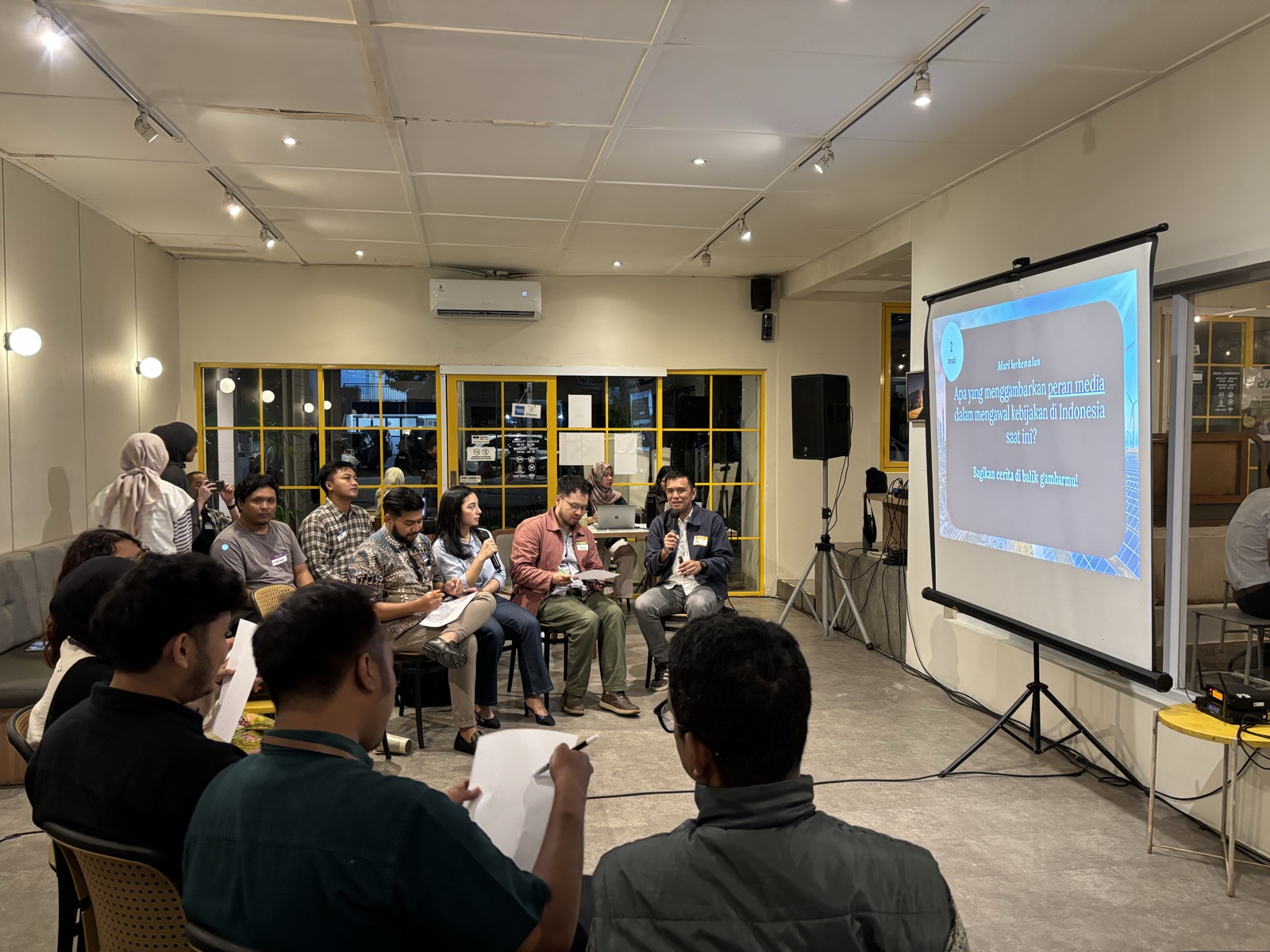
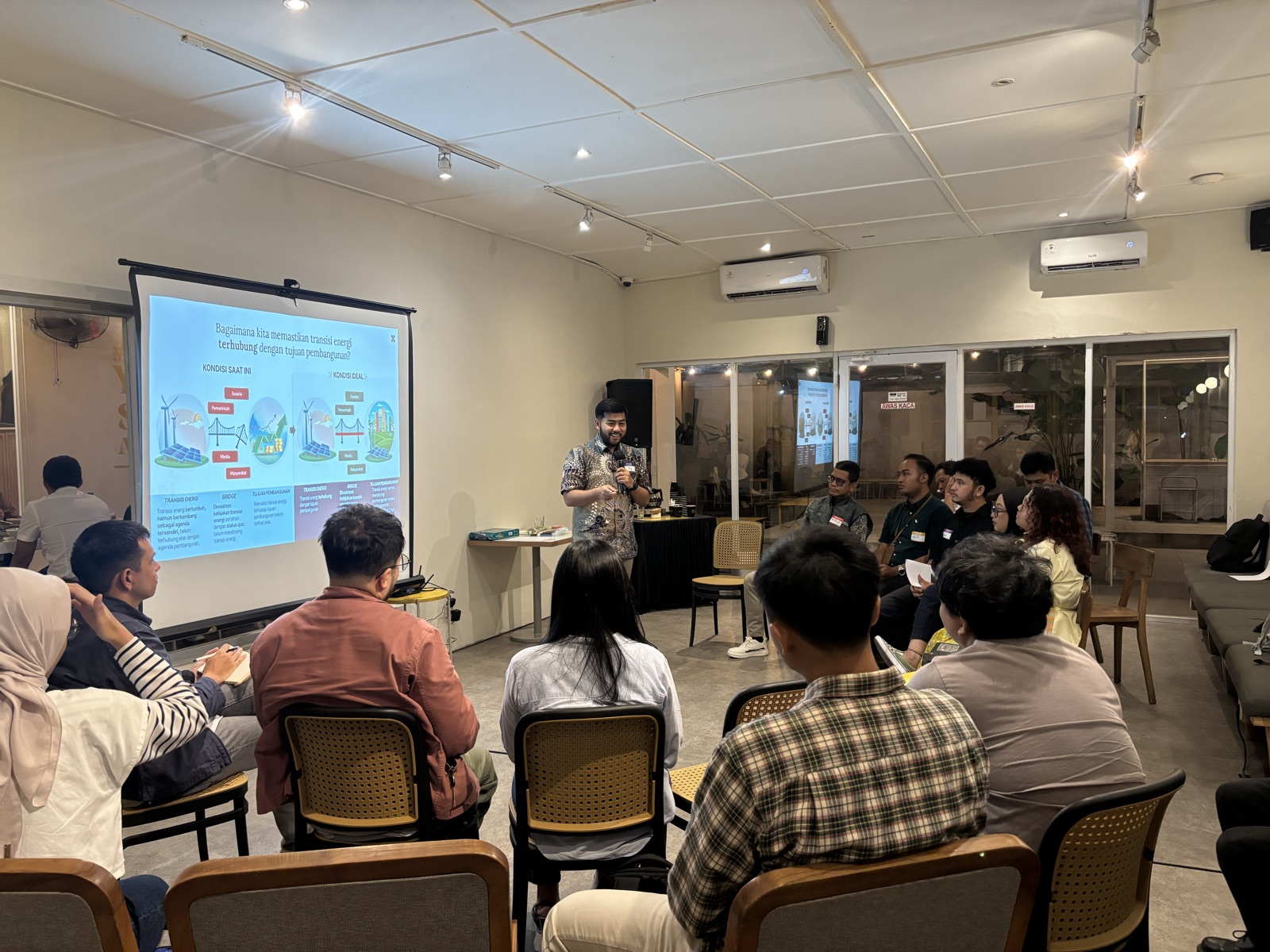
Complex issues are often reduced to simple stories, leaving out the context that makes change meaningful.
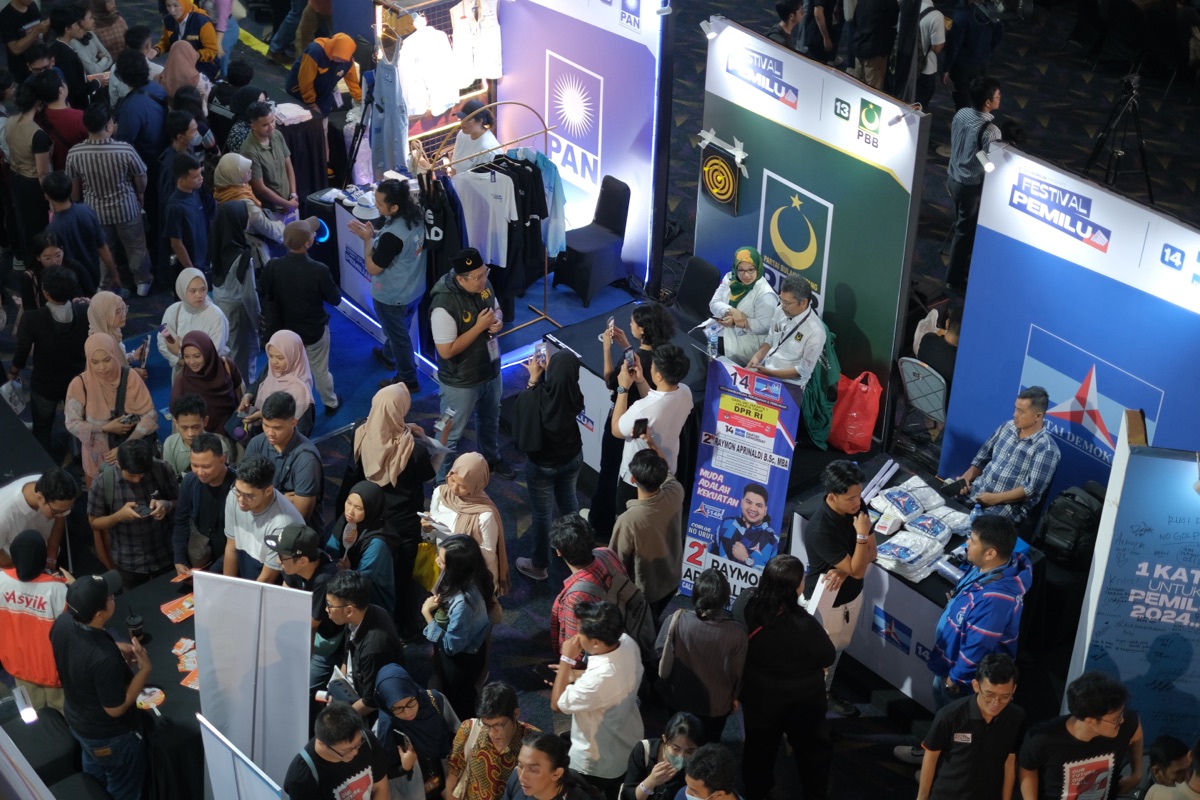
Think Policy treats storytelling as an act of translation, bringing together evidence, lived experience, and context to make complex realities easier to understand. We trace the changes, decisions, trade-offs, and people behind it. Stories are all then grounded, accessible, and connected to how change actually happens.
We follow change as it unfolds, looking beyond outcomes to understand how and why it happens.
We turn evidence and lived experience into narratives people can understand, trust, and act on.
Public discourse often focuses on events, personalities, and immediate outcomes while overlooking the institutional dynamics and incentives that shape how change actually happens. As a result, complex reform processes are frequently reduced to simplified narratives, limiting deeper public understanding of governance and systems change.
There is a need for platforms that can translate complexity into accessible insights without sacrificing nuance.
Think Policy developed a multimedia storytelling platform that combines long-form editorial analysis with in-depth conversations featuring reformers, practitioners, and changemakers. Drawing on systems thinking, political analysis, and narrative storytelling, the platform connects individual experiences and current events to broader institutional, social, and political dynamics.
This approach creates space for reflection, contextual understanding, and more informed public engagement.
Through The Reformist Newsletter and The Reformist Podcast, Think Policy built a public platform that documents how change emerges from within institutions and systems. The initiative translates complex governance and reform challenges into accessible narratives, while amplifying voices that are often overlooked in mainstream discourse.
By bridging storytelling, policy analysis, and systems thinking, the platform contributes to a deeper understanding of how meaningful change takes shape in practice.
Conversations on energy transition often focus on technology, emissions, and renewable energy targets, while overlooking the financial systems that ultimately shape investment decisions and development pathways. As a result, the role of finance in determining who benefits, who bears the risks, and whether transitions are equitable remains poorly understood by broader audiences.
This gap limits public understanding of the structural forces driving energy outcomes across Asia.
Think Policy partnered with Fair Finance Asia to translate complex relationships between finance, energy policy, and development into an accessible narrative format. Rather than centering on advocacy messages, the project began with a fundamental systems question: how does finance influence the pace, direction, and distributional impacts of energy transition?
Drawing on regional evidence and real-world examples, the narrative connected macro-level financial flows to community-level consequences.
Think Policy produced a short-form narrative explainer video, "Accelerating Asia’s Energy Transition: What’s Finance Got To Do With It?", that unpacked the often-invisible role of finance in shaping energy futures across the region. The video transformed complex policy and financial dynamics into a compelling story, illustrating how energy addition frequently precedes genuine energy transition and why financial decisions matter for equity and sustainability.
By combining systems thinking, evidence-based analysis, and audiovisual storytelling, the project made a highly technical issue accessible to wider audiences without sacrificing analytical depth.
Indonesia’s carbon pricing architecture has progressed through the establishment of regulatory frameworks, market infrastructure, and institutional mandates. Yet implementation remains constrained by fragmented stakeholder understanding, competing sectoral interests, and the absence of a shared narrative that connects climate ambition with economic opportunity.
As responsibilities are distributed across multiple ministries, regulators, market actors, and financing institutions, communication challenges increasingly become governance challenges. Without stronger alignment, carbon pricing risks being perceived as a compliance instrument rather than a strategic mechanism for driving investment, industrial competitiveness, and decarbonization.
Think Policy applied a political economy and ecosystem-based lens to assess how technical policy design interacts with institutional incentives, stakeholder dynamics, and public narratives. Through stakeholder mapping, policy analysis, strategic communications assessment, and cross-sector dialogue, we identified barriers to coordination and opportunities to strengthen collective ownership of the transition.
This approach bridged technical complexity with practical implementation realities, enabling more effective engagement across diverse stakeholder groups.
Think Policy designed and implemented an integrated engagement and communications strategy to strengthen cross-sector ownership of Indonesia’s carbon pricing agenda. The project established structured dialogue platforms, developed evidence-based narratives, and positioned BPDLH and Rumah Karbon as trusted conveners capable of connecting government, industry, finance, and civil society.
The result was a stronger foundation for policy legitimacy, stakeholder buy-in, and coordinated implementation of carbon pricing mechanisms at scale.
As Indonesia approached its 2025 Nationally Determined Contribution (NDC) submission deadline, uncertainty surrounding the government’s progress risked weakening both domestic accountability and international credibility. Despite ambitious climate commitments (including a net-zero target and sectoral transition goals), implementation remained fragmented across institutions, while climate priorities increasingly competed with short-term economic and political agendas.
Without stronger public legitimacy, political urgency, and cross-sector alignment, Indonesia risked seeing its climate ambitions diluted rather than translated into measurable action.
Think Policy designed a multi-front campaign that combined narrative strategy, media engagement, civic education, stakeholder convening, and parliamentary outreach to create momentum around an ambitious and actionable NDC. Drawing on political economy analysis and strategic communications, the campaign targeted multiple pressure points simultaneously; from senior decision-makers and technical ministries to civil society, media, and the broader public.
By aligning public narratives with insider policy engagement, the initiative sought to transform climate commitments from a technical policy issue into a shared governance priority.
Think Policy developed and activated an integrated climate advocacy ecosystem spanning national media, digital platforms, civic engagement tools, and policy dialogues. The campaign leveraged Think Policy’s communications infrastructure while convening stakeholders across government, parliament, civil society, and expert networks.
By combining public pressure with institutional engagement, the initiative strengthened the enabling environment for a timely, credible, and implementable NDC submission while reinforcing climate action as a core component of Indonesia’s long-term development agenda.