Majelis Publik: Redesigning Elections That Serve Citizens First, Politicians Second
Electoral reform is often debated in terms of political interests, institutional arrangements, and technical trade-offs. But what happens when the conversation starts with the people who actually cast the votes?
Through Majelis Publik, Think Policy brought together 31 citizens selected through civic lottery from 16 provinces to examine Indonesia's electoral system, talk to actual political actors, and deliberate together to find a common ground on what needs to happen in the revision of the election bill.
applicants
participants randomly sorted
provinces of origin
recommendations developed
Majelis Publik: Merancang Bersama Pemilu yang Kita Inginkan
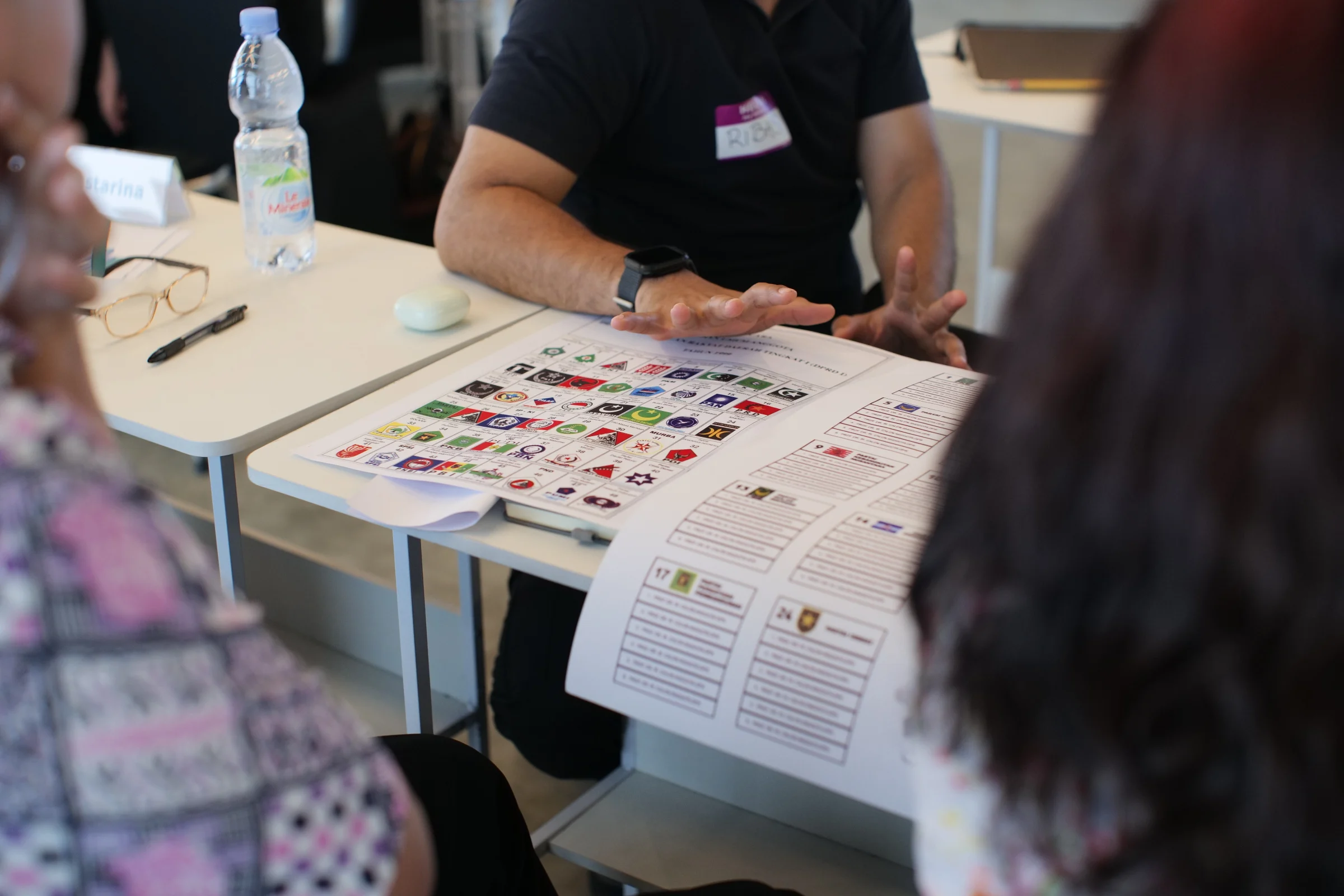
A voter may spend hours trying to navigate a ballot paper, struggle to find out who represents them in the parliaments, or go through an election without knowing much about the candidates who will make dozens of essential public policies. These experiences may seem disconnected, but they point to a common question on how well does the electoral system serve the people it is supposed to represent.
We initiated Majelis Publik: Merancang Bersama Pemilu yang Kita Inginkan by those main ideas, a civic participation platform by Think Policy through The Reformist, in collaboration with the Westminster Foundation for Democracy (WFD) and Perludem.
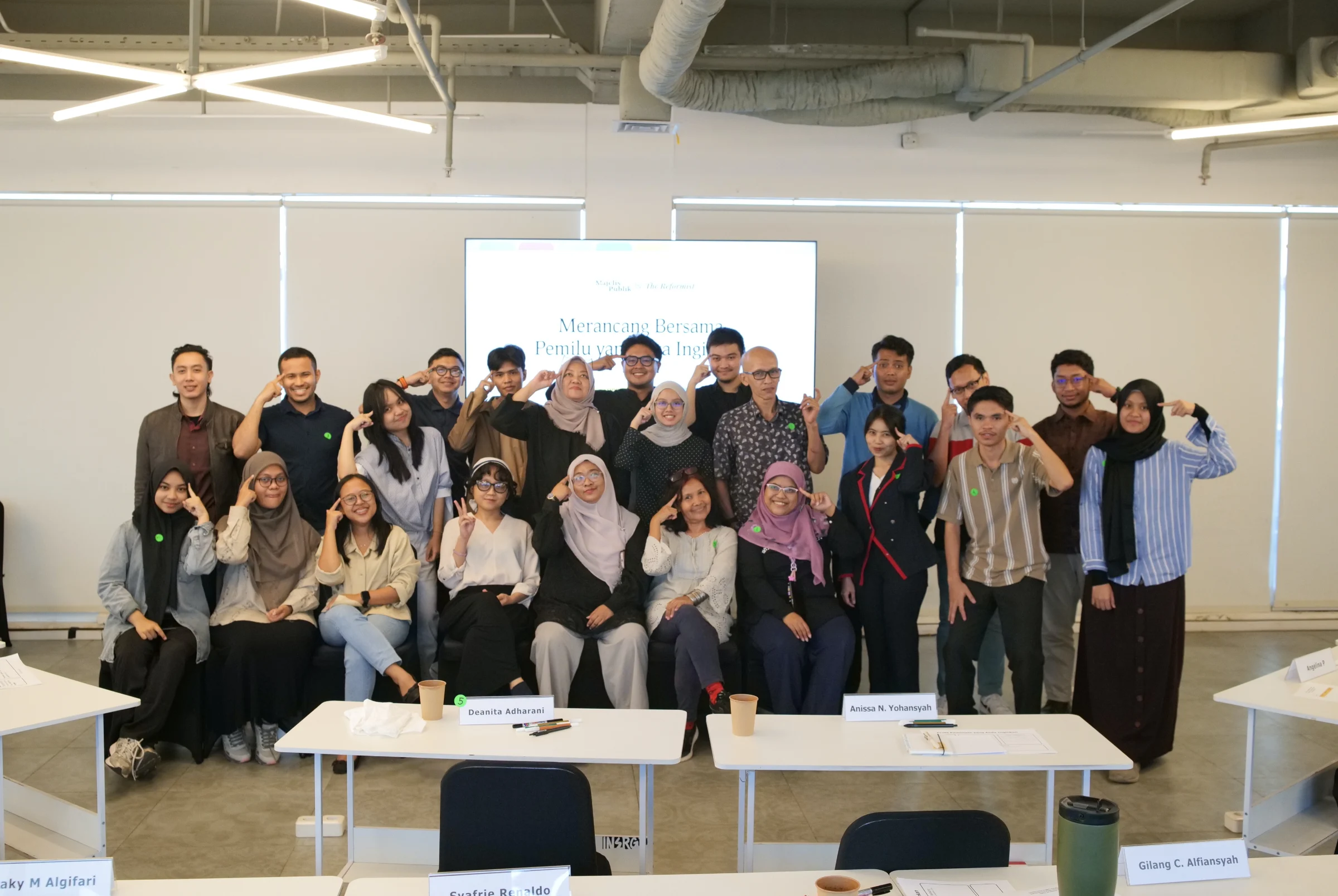
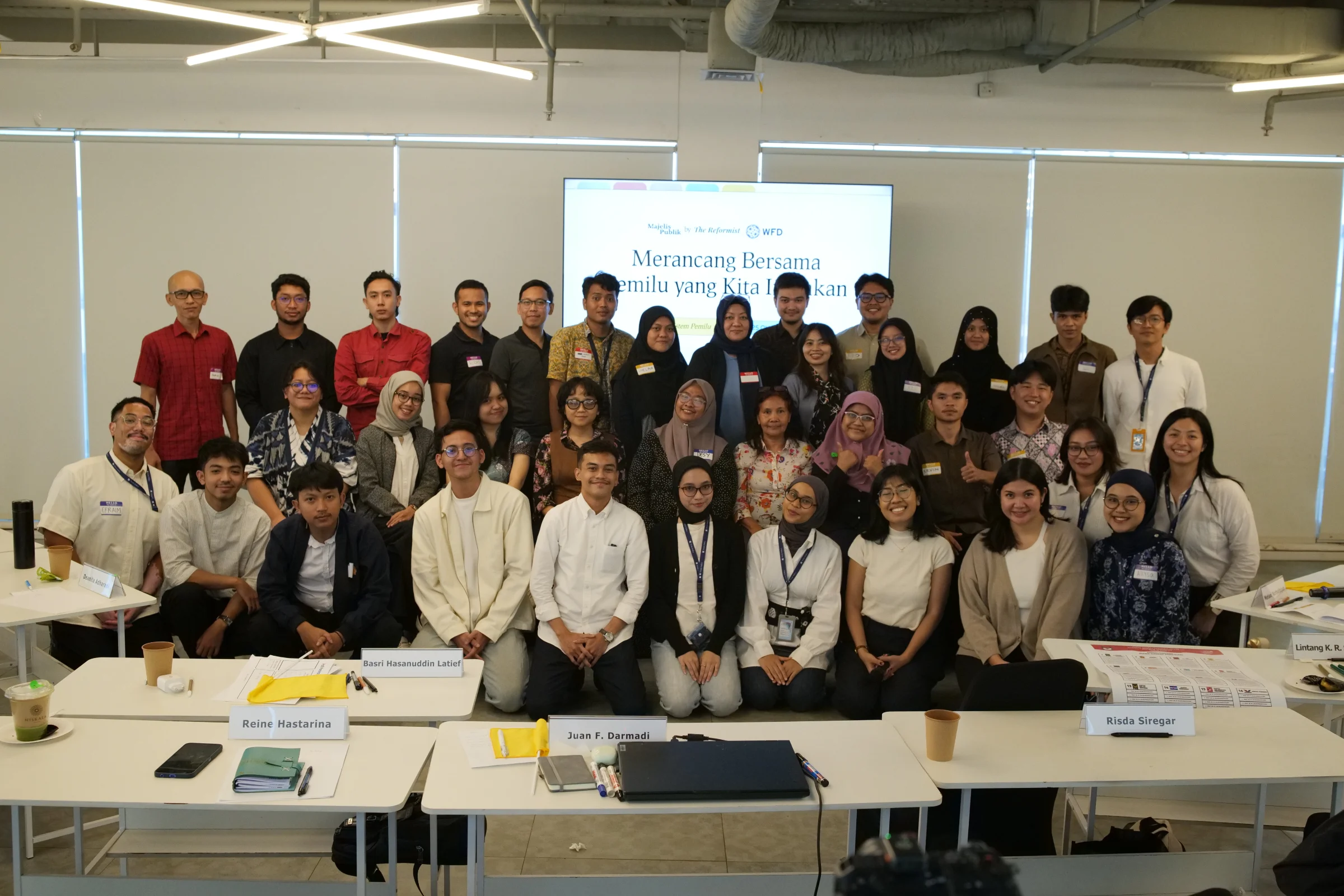
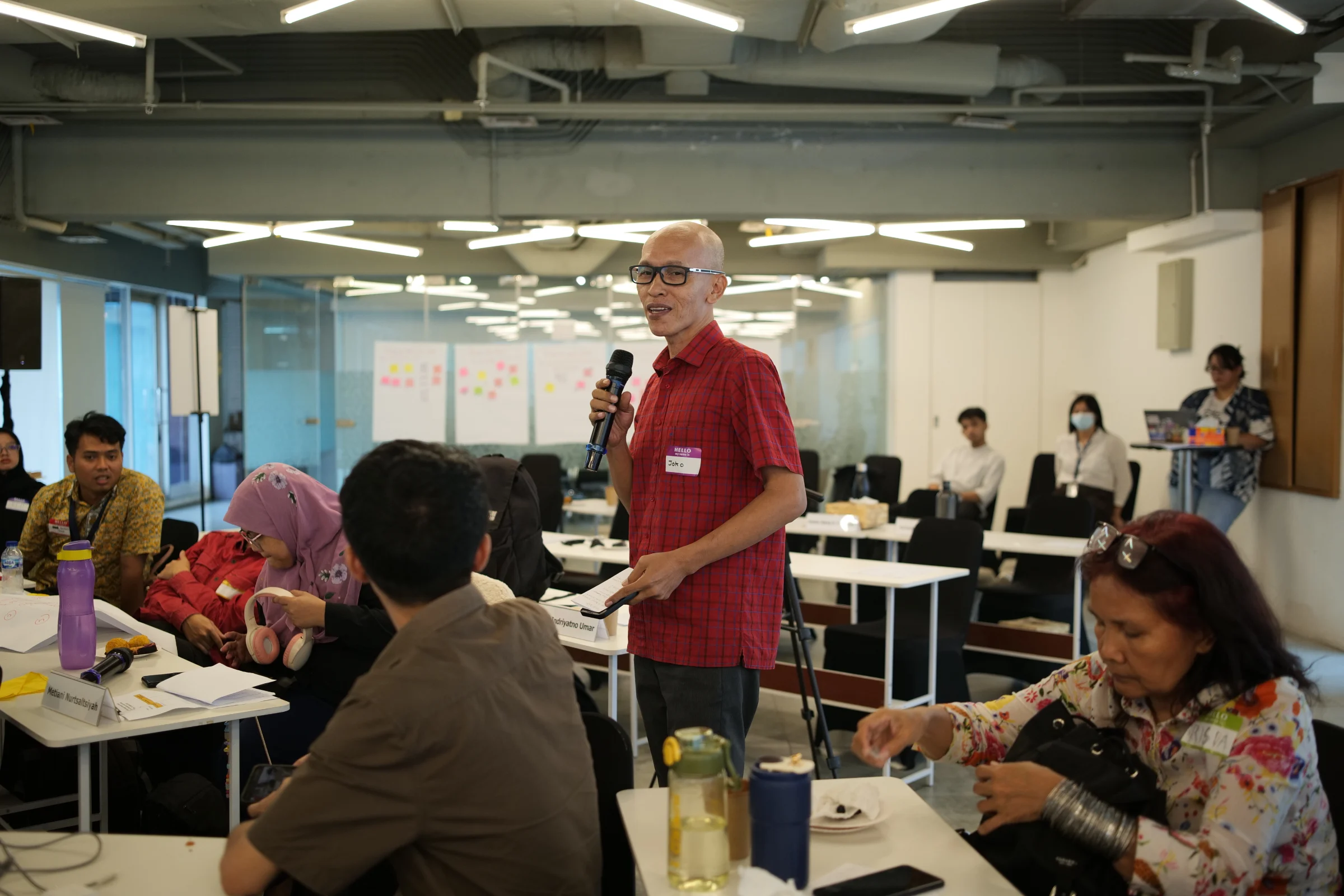
Held on 24-25 October 2026, Majelis Publik brought together 31 citizens selected through a randomised lottery (sortition). The participants, or the Member of Citizens’ Assembly, came from 16 provinces residing in Jakarta across generations, professional backgrounds, and socioeconomic circumstances. They were selected from a pool of 380+ applicants, including private-sector employees, students, homemakers, and others with varying degrees of familiarity with politics and public policy.
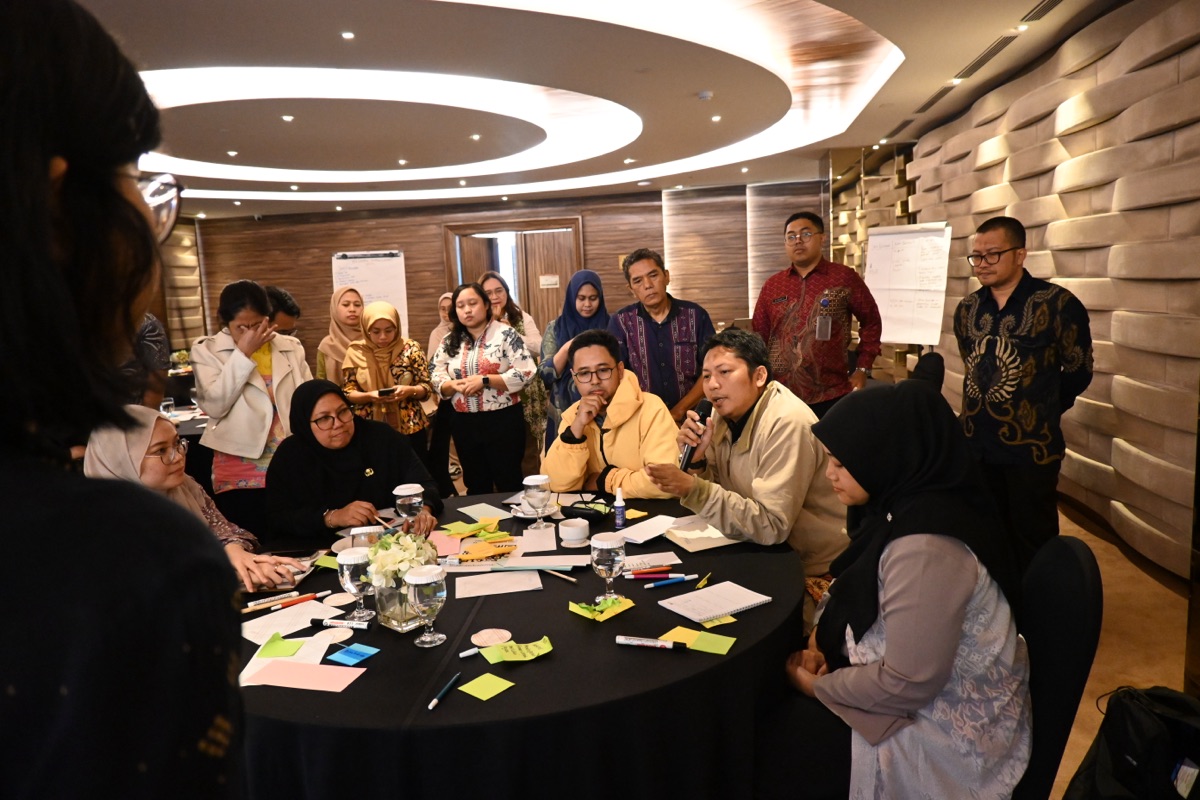
Over 2 days, members of Citizens’ Assembly learned how Indonesia's political and electoral systems work, spoke directly with 7 political party representatives, and deliberated on the key principles discussed in the election bill. The process covered 5 areas, from candidate recruitment and parliamentary representation to voting methods, parliamentary thresholds, election schedules, and electoral district sizes.
The result was more than a collection of public opinions. Participants developed a set of recommendations grounded in their discussions, disagreements, and shared considerations about what makes an electoral system work for voters.
Electoral system: The technical is political
Electoral reform is rarely short of technical debates. How should votes be converted into parliamentary seats? How many parties should be represented in parliament? Should elections be held simultaneously? How large should an electoral district be?
Each question involves competing considerations. But the answers also shape something more fundamental, whether citizens can genuinely feel that their public interest is meaningfully represented in the democratic system.
For voters, the consequences of electoral design are often experienced in practical ways. A ballot paper may be difficult to navigate, particularly for persons with disabilities. Representatives may feel distant when electoral districts cover vast geographical areas. Candidates may be difficult to assess when information about their backgrounds and track records is not readily available.
These are not questions that technical expertise alone can settle. They require an understanding of what voters value, what they experience, and what they expect from their representatives.
Majelis Publik approached electoral reform from this perspective. Rather than beginning with the available institutional options, participants first considered what kind of representation they wanted. Only then did they examine how different electoral arrangements might deliver, or fall short of, those expectations.
How We Designed the Deliberation
- Starting with the people voters want to represent them
Before getting into electoral formulas and parliamentary thresholds, participants were asked a more familiar question: what makes a good elected representative?
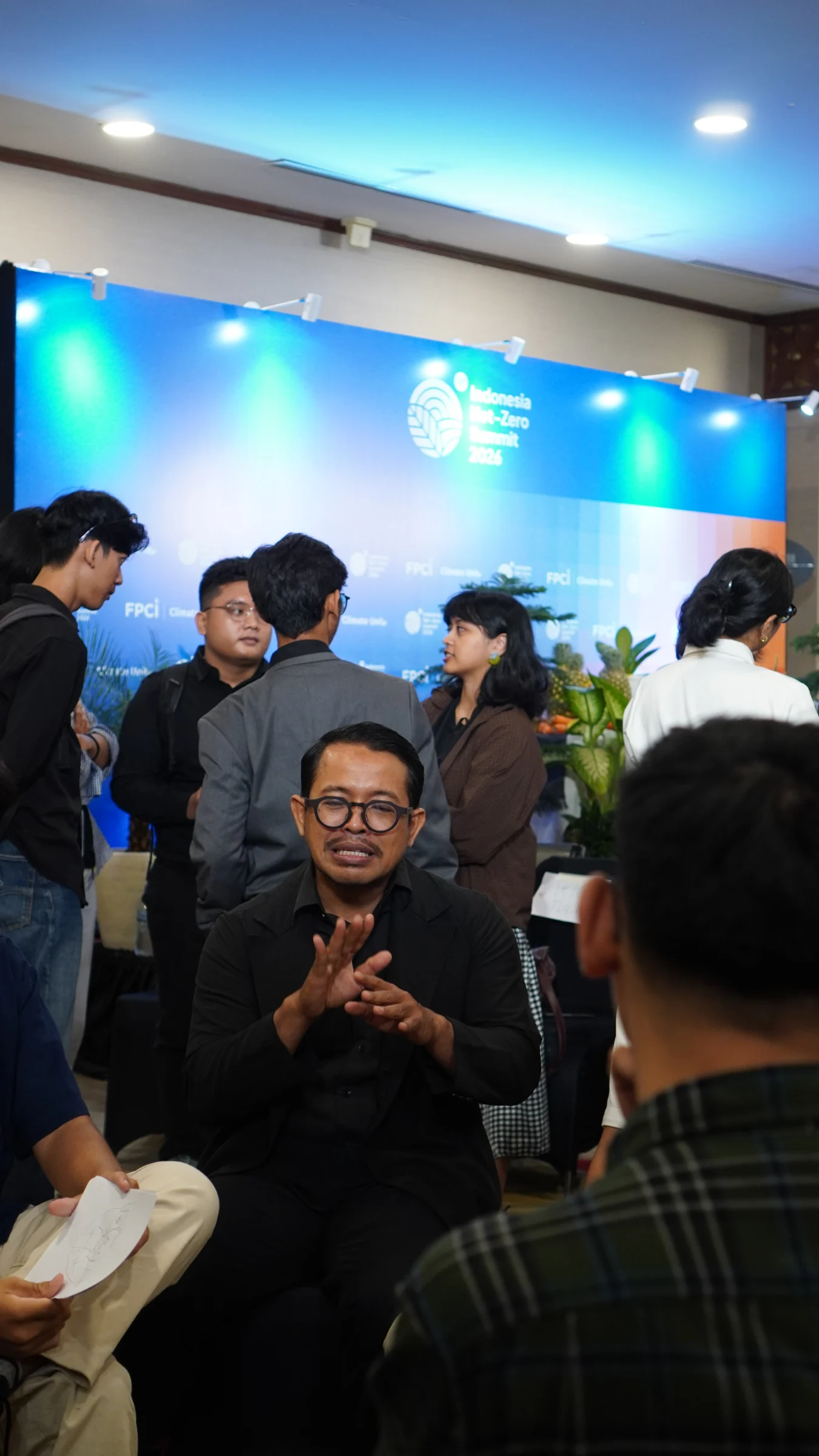
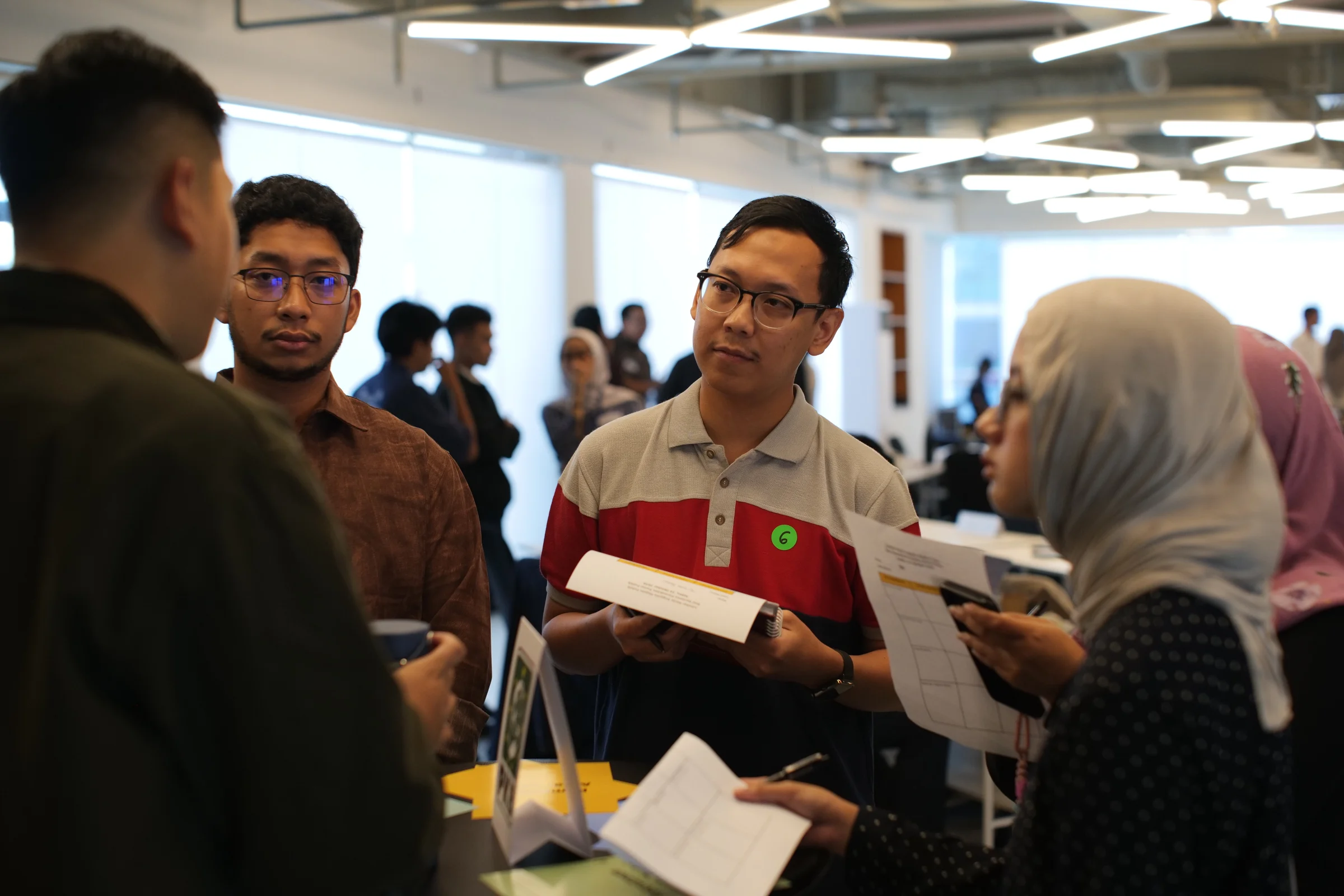
In a trust-building session facilitated by Zensa Rahman, Founder of How to be Nothing, participants used visual cards to imagine their ideal representatives, identify the qualities they considered important, and find common ground within their groups.
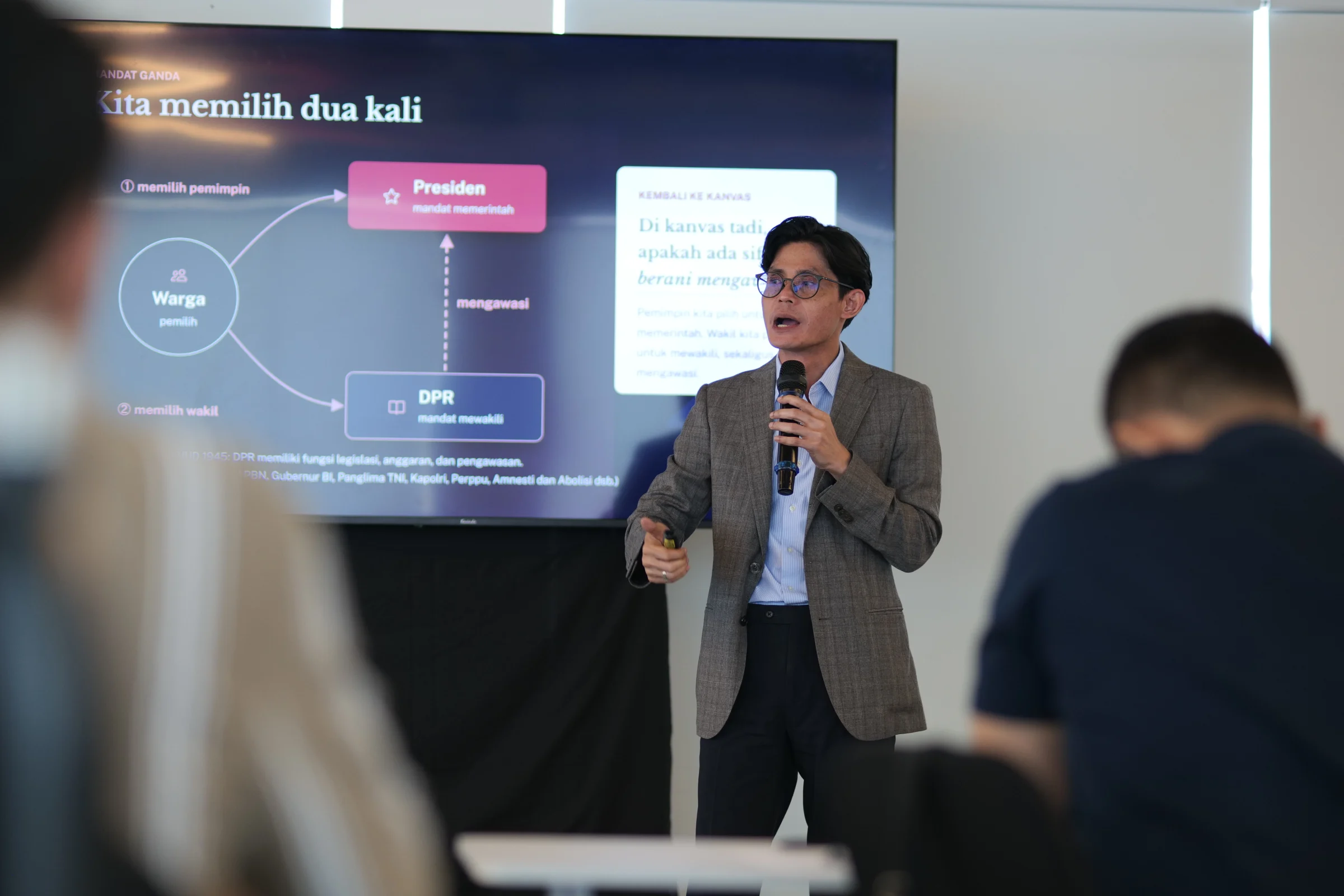
This was followed by a learning session with August Mellaz, Commissioner of the General Elections Commission (KPU) for the 2022-2027 period. Participants explored Indonesia's system of government and the roles and responsibilities of elected representatives.
The sequence mattered. By establishing what citizens expected from their representatives first, the subsequent discussion about electoral systems had a clearer point of reference.

- Putting political parties in the room to understand how they think and work
What voters expect from their representatives is only one part of the equation. Political parties play a significant role in determining who gets nominated, how candidates are prepared, and what ideas eventually make it into the legislature.
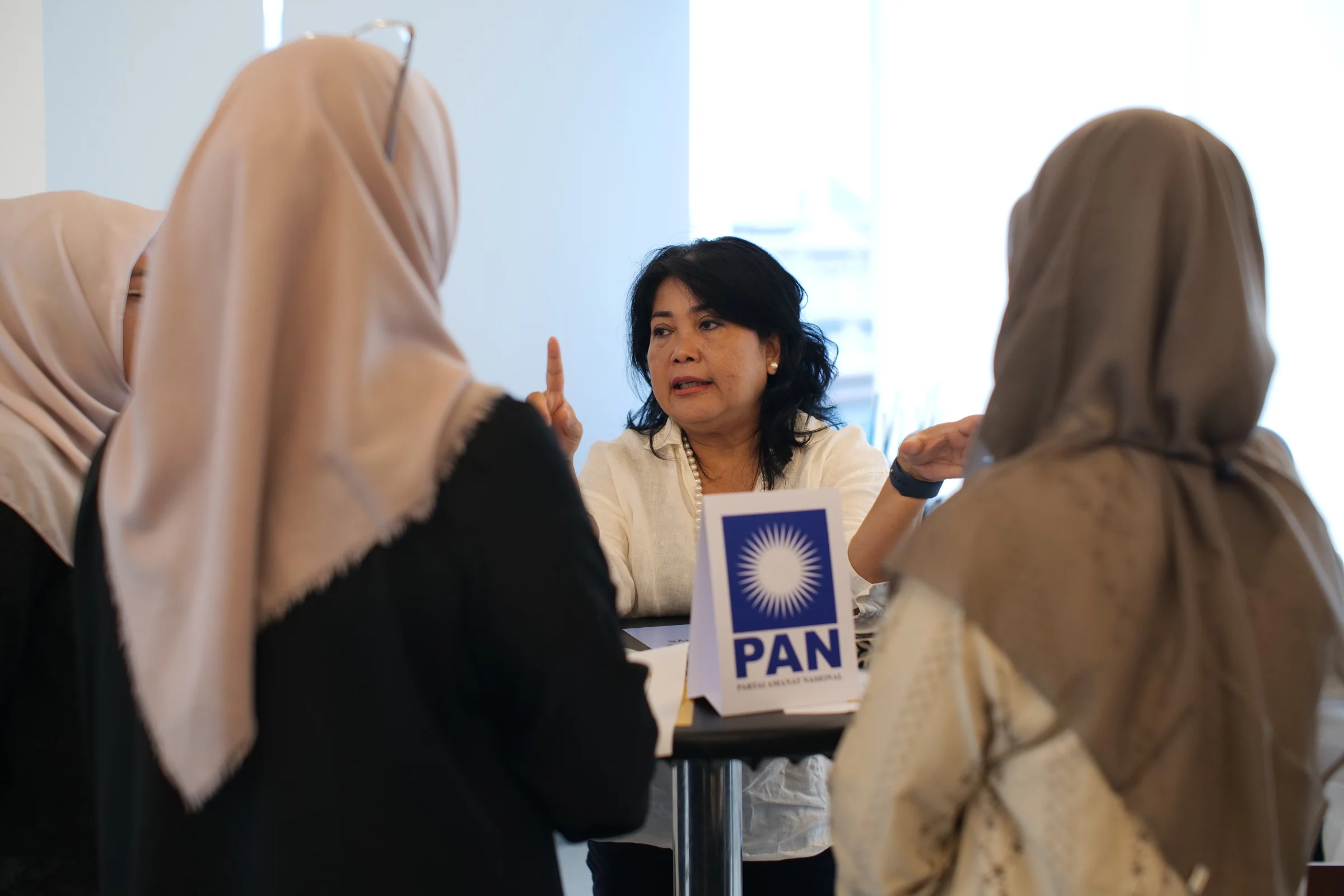
To examine this side of the process, participants spoke directly with seven representatives from political parties: Ryan Ernest (Golkar), Rizal Ilham Pratama (PKB), Ahmad Fathul Barri (PKS), Dian Islamiati Fatwa (PAN), Gerald Wibisana (PSI), Manik Marganamahendra (Partai Perindo), and Patria Ginting (PDI-P).
The conversations covered political recruitment, candidate selection, campaign financing, party regeneration, and how parties channel public aspirations. This gave participants an opportunity to compare their expectations with the realities of political institutions, and to ask what needs to change before voters even arrive at the polling station.
Through this process, we aim to equip citizens with a clearer understanding of the political landscape they are seeking to change. With a more grounded picture of how political parties work today, participants could critically examine the gaps between institutional realities and citizens' expectations, and deliberate on what needs to change to make political representation more responsive and accountable.
- Examining the choices behind the electoral system
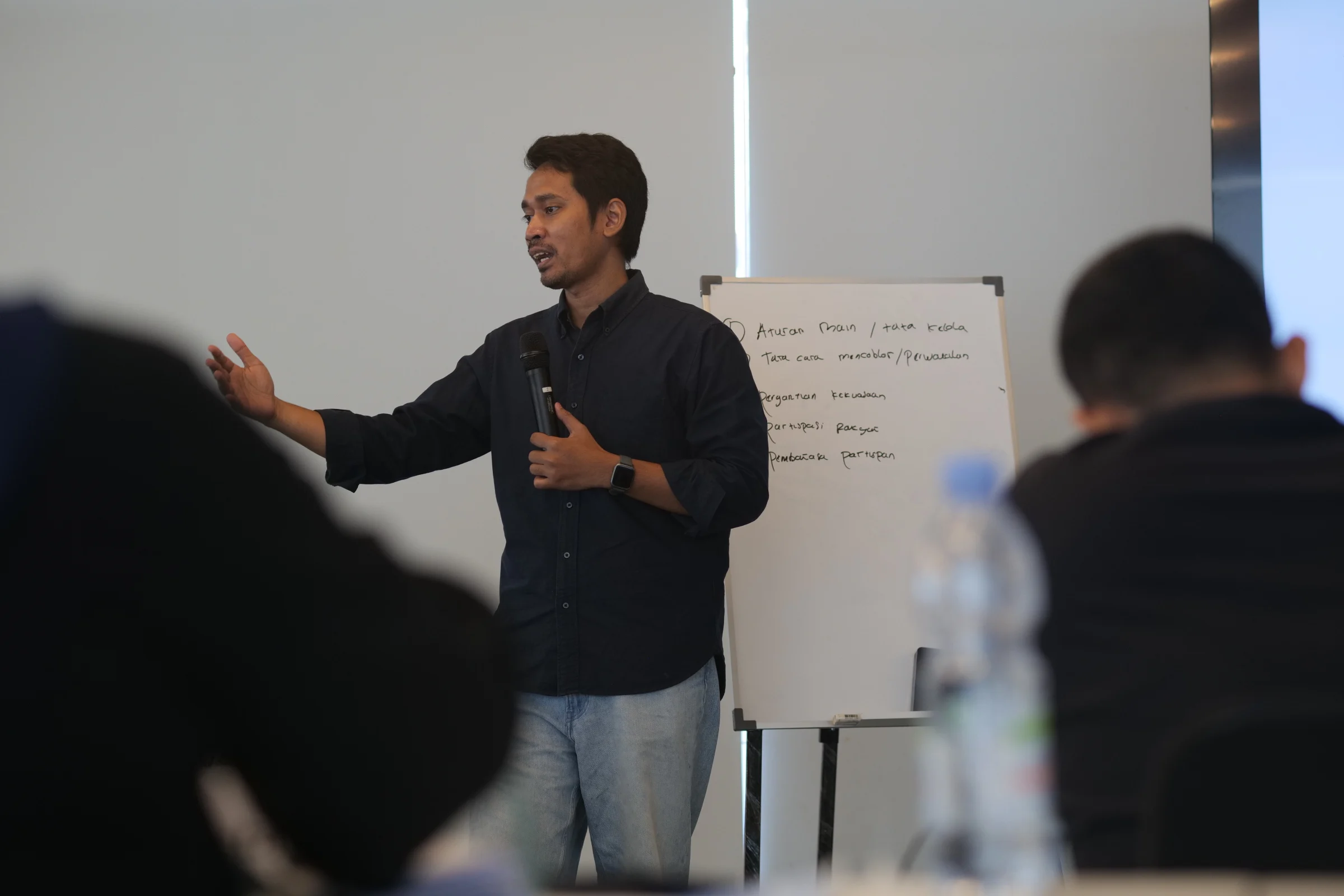
The second day moved into deliberation, facilitated by Andhyta F. Utami, Founder and Chief Experiment Officer of Think Policy, alongside Heroik M. Pratama, Executive Director of Perludem.
Participants examined five areas of electoral reform:
What should parliament reflect, and how should political parties identify and prepare candidates?
Should the threshold be increased, lowered, or removed?
Should Indonesia retain its open-list proportional system or move towards a closed-list arrangement?
Should national and regional elections, or executive and legislative elections, be held separately?
Should electoral districts cover smaller or larger geographical areas?
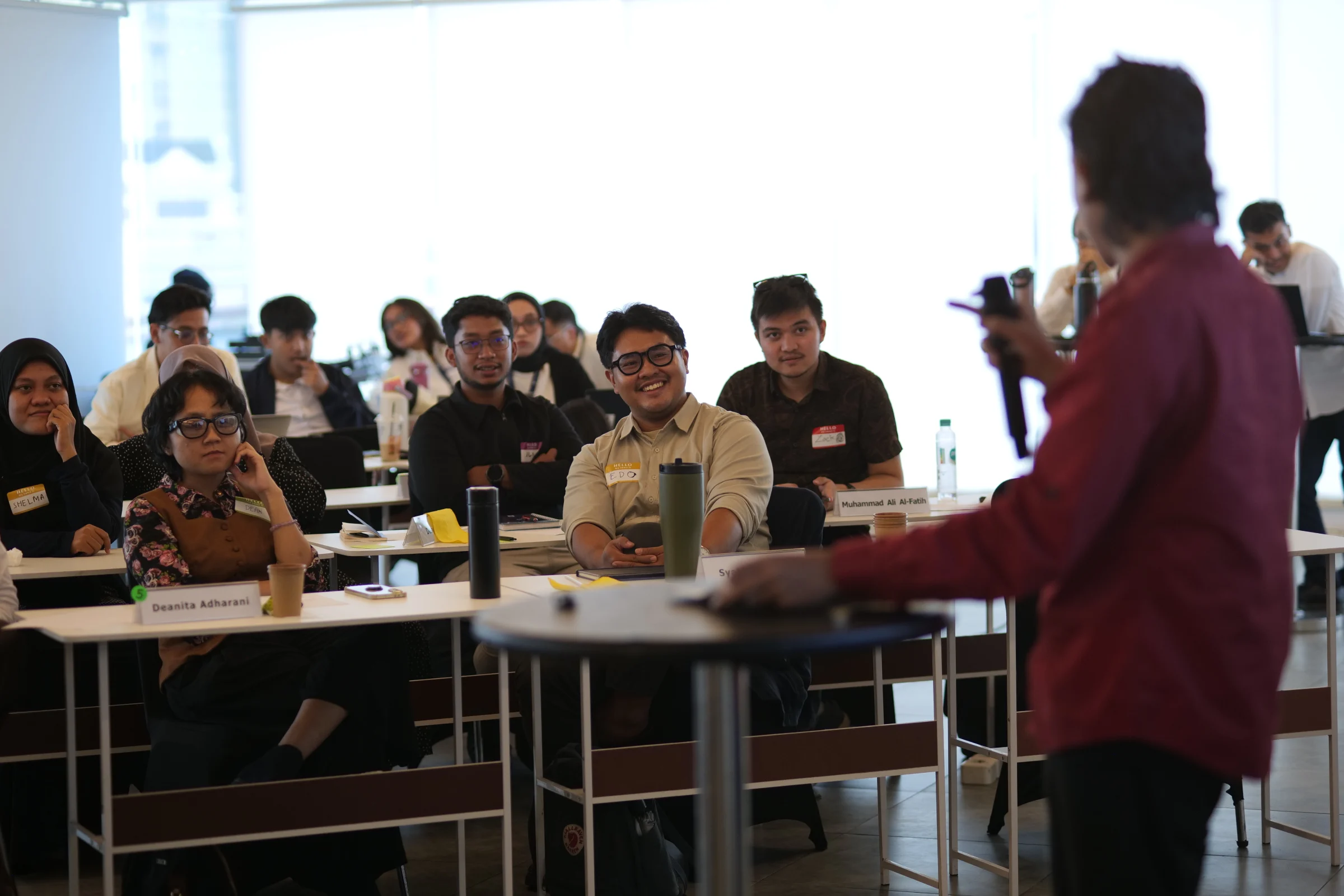
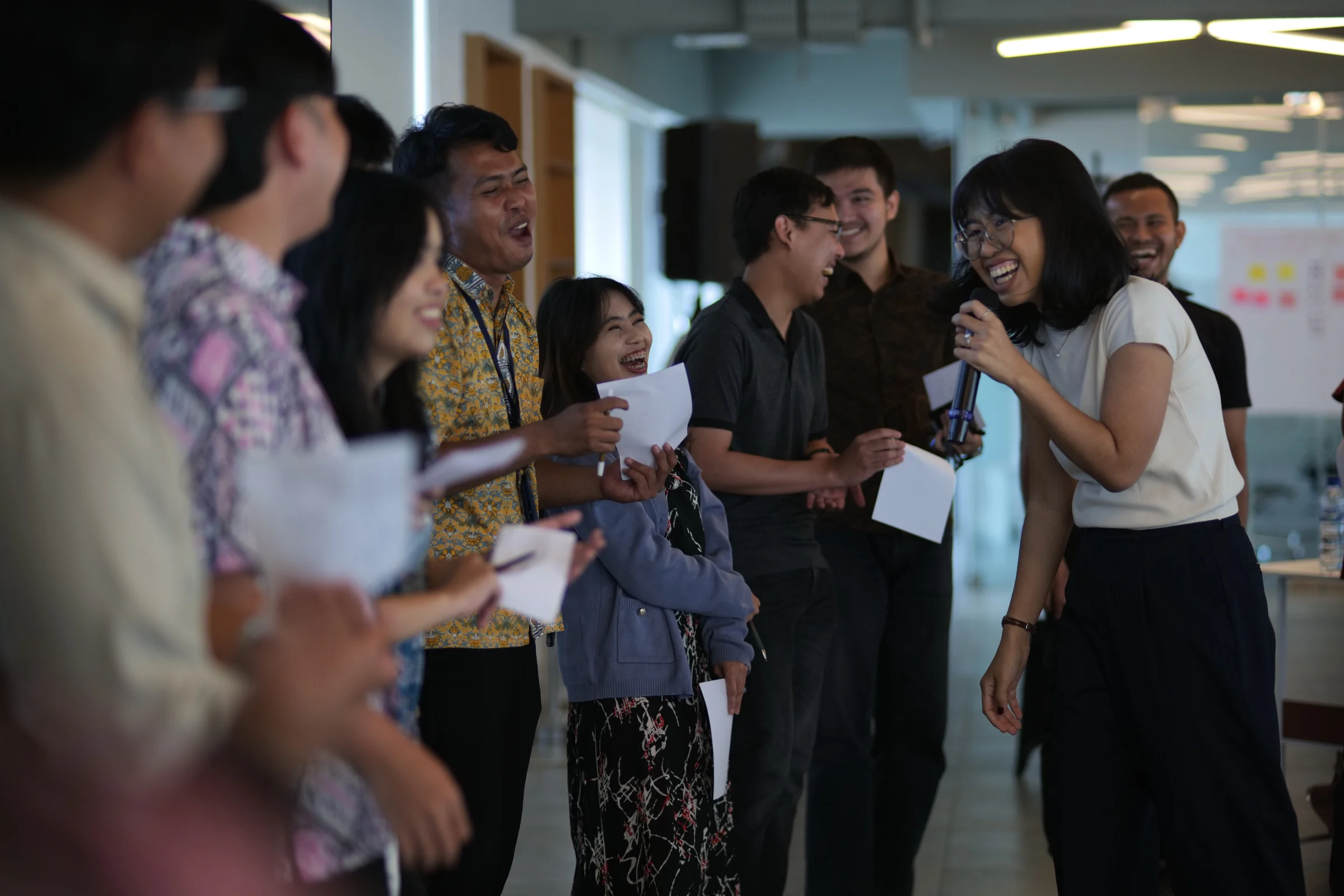
The discussions were not designed to produce easy agreement. Participants had to weigh different considerations, challenge one another's reasoning, and reconsider their positions. The objective was to understand not only which option they preferred, but also why they preferred it and what they were willing to trade off.
What Did the Deliberation Reveal?
The results show that citizens can hold different positions on the mechanics of an electoral system while sharing a fairly consistent set of expectations about what it should deliver.
Three principles emerged across the discussions: diverse representation, accountability, and effectiveness.
Participants wanted parliament to reflect the diversity of Indonesian society, including differences in gender, ethnicity, geography, profession, political views, and the experiences of marginalised groups.
In discussing candidate recruitment, 22% of the arguments recorded focused on candidates' social and political track records, while another 22% concerned identity representation, including vulnerable groups and gender balance. Other considerations included educational and professional diversity (17%), ethnic and regional representation (17%), ideological representation (13%), and issue-based programmes (9%).
One particularly interesting disagreement concerned formal education as a measure of legislative competence. Some participants supported educational qualifications as an indicator of capability. Others questioned whether this would exclude people whose knowledge and leadership experience do not necessarily come from formal education, including indigenous communities.
The discussion brought out an important distinction, that competence and representation should not be treated as competing objectives. A parliament needs capable representatives, but the definition of capability should not inadvertently narrow who gets the opportunity to serve.
On the method of voting, 76% of participants supported retaining the open-list proportional system.
Another 19% preferred a closed-list system, while 5% abstained. The preference for an open list was largely driven by the importance of choosing individual candidates. Participants believed that being able to assess candidates directly, including their qualifications and track records, could strengthen the accountability and legitimacy of elected representatives.
Those who favoured a closed-list system raised a different consideration: it could make voting easier. However, they also emphasised that this would require political parties to improve their internal recruitment processes, apply merit-based selection, and become more transparent about their candidates.
The same concern appeared in the discussion on electoral district sizes. 76% supported smaller electoral districts, compared with 24% who preferred larger ones. A closer relationship between representatives and their constituents, participants argued, would make it easier for voters to monitor performance and for legislators to understand the needs of their constituencies.
The underlying expectation was consistent, that winning a seat should not be the end of a representative's accountability to voters.
The parliamentary threshold generated more divided opinions. While 60% supported lowering it, 25% wanted it removed altogether and 15% favoured increasing it.
Those supporting a lower or removed threshold were concerned about votes that fail to translate into parliamentary representation. Others argued that a higher threshold could help reduce political fragmentation and make parliament more effective. However, they also stressed that political parties should offer distinct ideas and policy positions rather than pursue consolidation for its own sake.
Election scheduling produced a clearer result. All participants supported separating elections rather than maintaining the current simultaneous arrangement. Of these, 82% favoured separating national and regional elections, while 18% preferred separating executive and legislative elections. No participant supported keeping all elections simultaneous.
The reasoning went beyond administrative convenience. Participants considered how five ballot papers could divide voters' attention across different levels of government and different candidates, potentially contributing to voter fatigue. Separating national and regional elections was also seen as a way to give local issues greater attention.
These discussions show that electoral effectiveness is not simply about making institutions work more efficiently. It is also about making the process manageable for the people participating in it.
Participants also put forward two additional recommendations: retain the open-list proportional system with greater transparency around candidates' track records, and encourage political parties to sharpen the ideas they bring to voters.
Taken together, the recommendations point to a broader reform agenda. Improving the electoral system requires more than adjusting electoral formulas. It also calls for changes in how political parties recruit candidates, communicate their platforms, and make information available to the public.
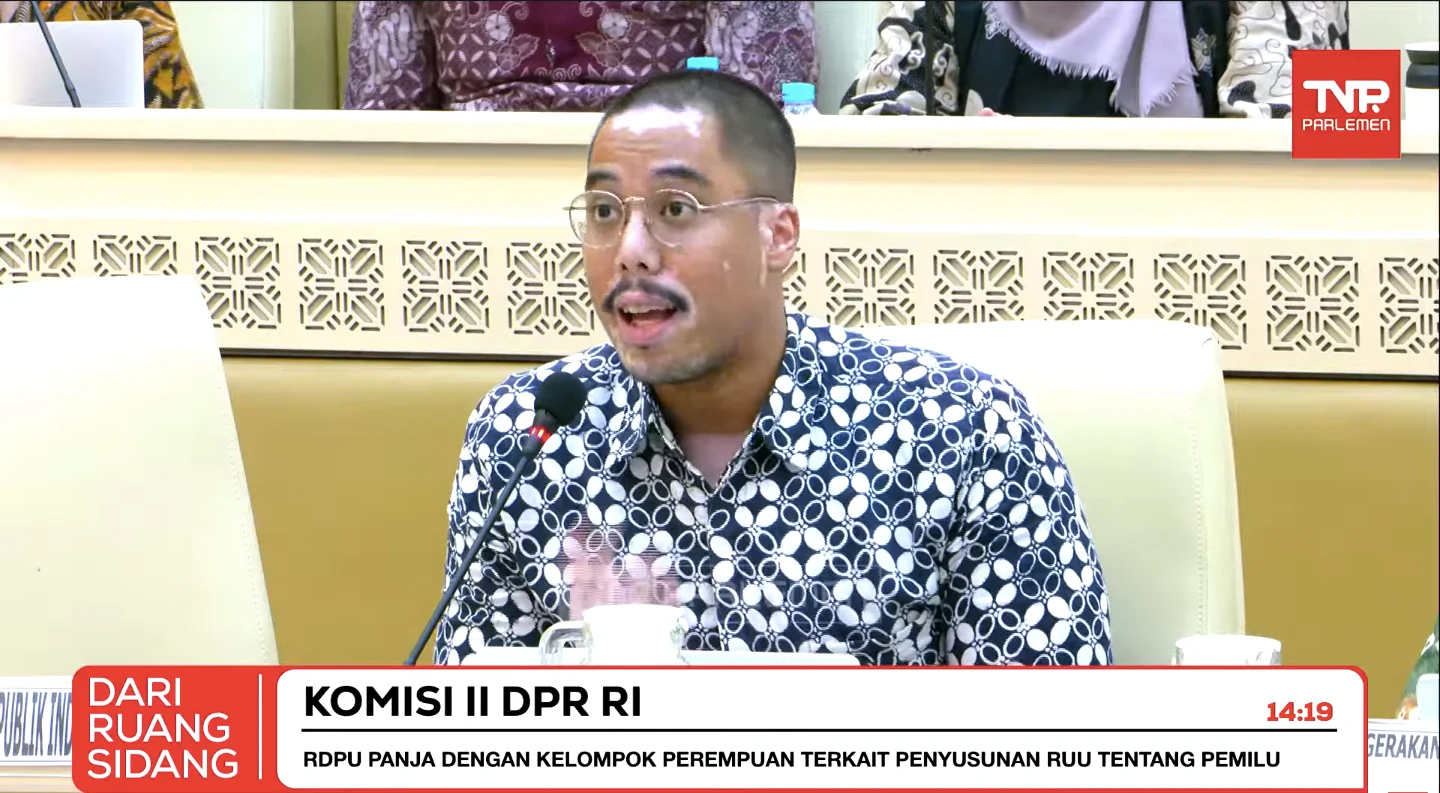
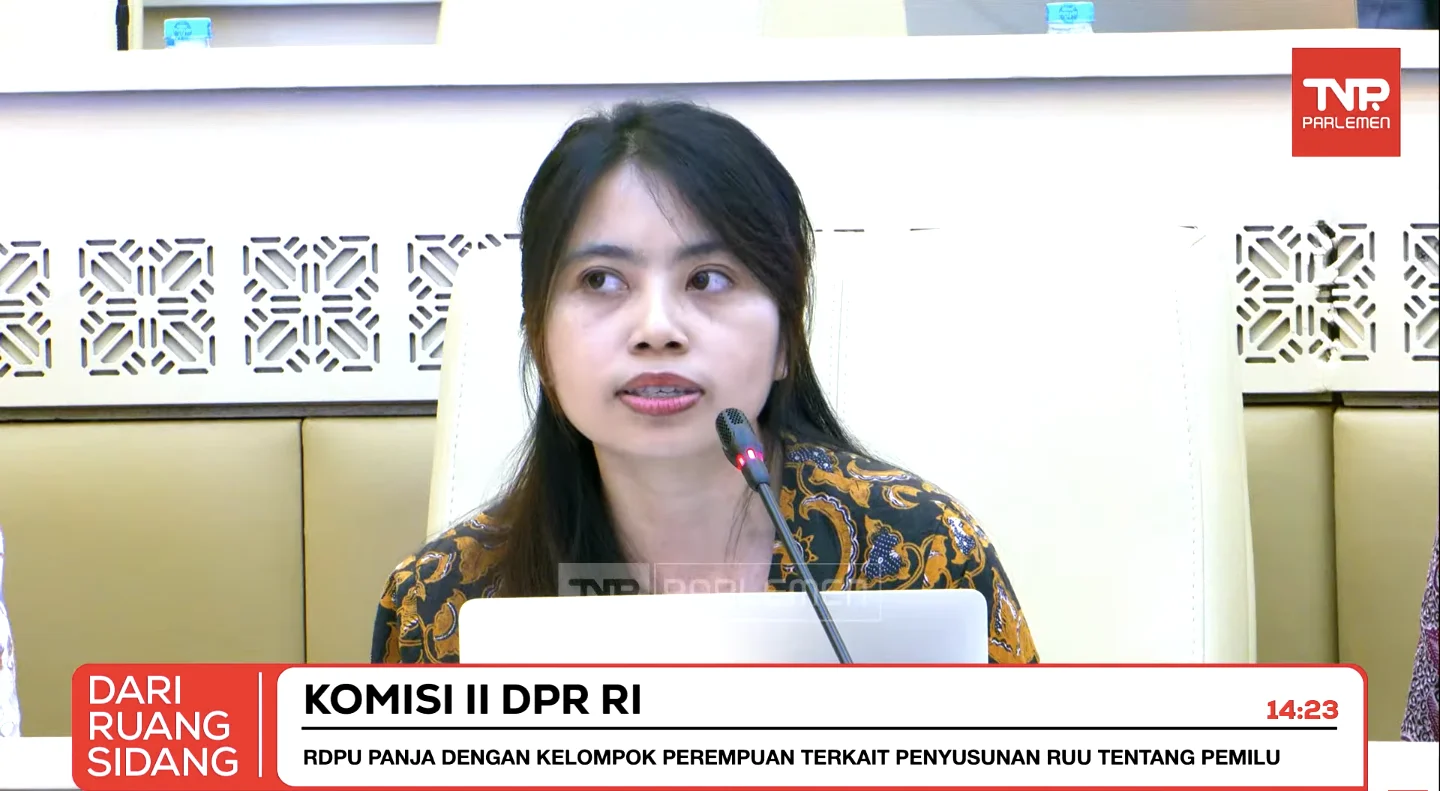
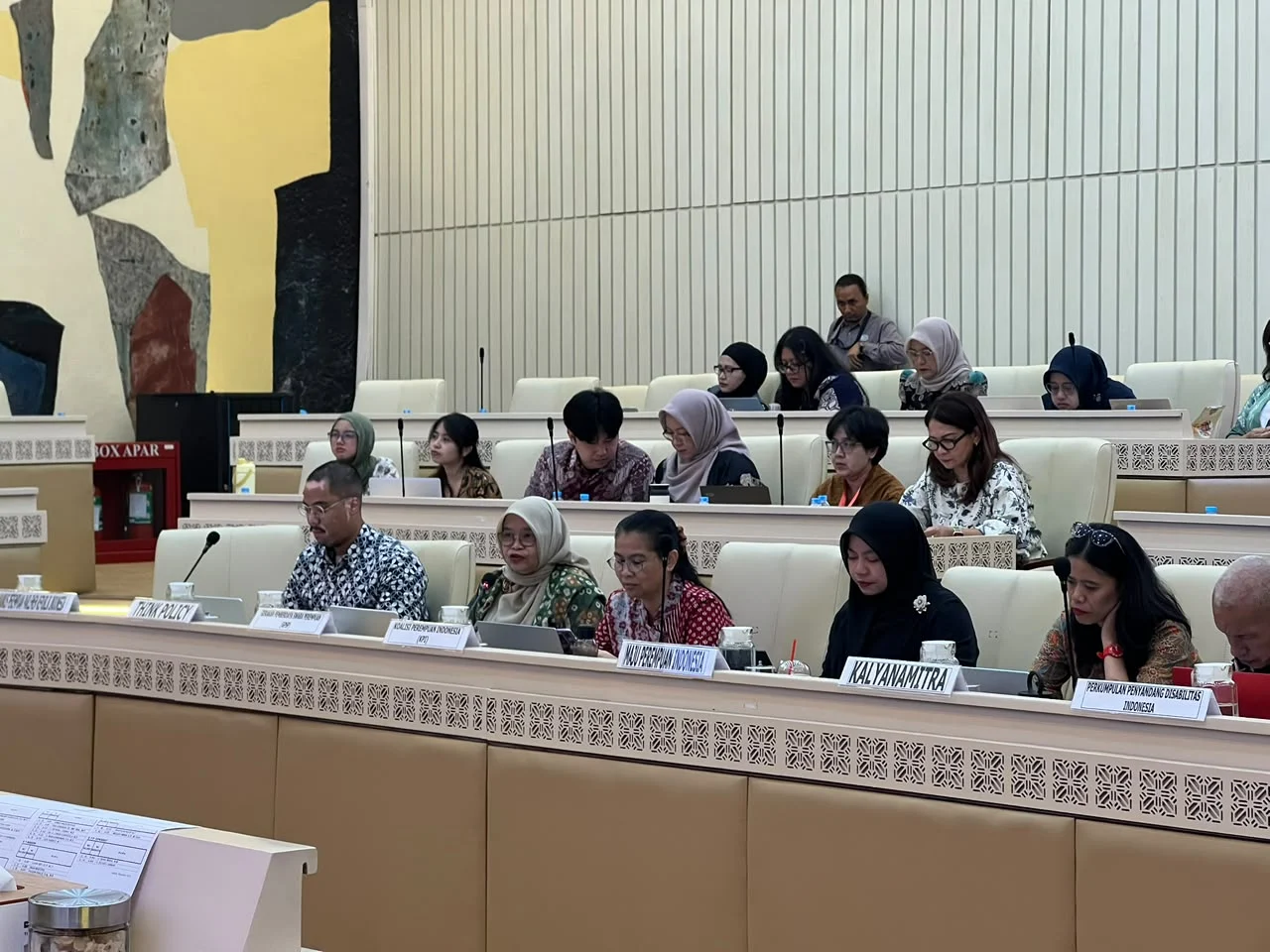
The recommendations developed through Majelis Publik were then submitted to Commission II of the Indonesian House of Representatives (DPR RI) during Rapat Dengar Pendapat Umum (RDPU) on 18 November 2026.
Making Room for Informed Citizens in Policy Decisions
One of the most valuable aspects of Majelis Publik was the opportunity to hear from people who would not necessarily find themselves in the same policy forum. Participants did not come with identical political views or the same level of familiarity with electoral systems. They came with different experiences of being voters.
As one participant reflected, people from different generations and backgrounds were able to contribute actively despite not having prior experience or specialised knowledge in social and political issues.
That is precisely the point of a Citizens' Assembly. Citizens are not expected to arrive with fully formed policy positions. They need access to relevant information, opportunities to question different perspectives, and enough room to think through the consequences of their choices.
For Think Policy, Majelis Publik was an opportunity to put this approach into practice on an issue with significant implications for Indonesia's democracy.
The recommendations are one tangible output. Just as important is the process through which they were developed: a group of citizens moving from individual expectations to informed discussion, and from disagreement to proposals they could collectively put forward.
Electoral reform will ultimately involve decisions made by political institutions. But the people who live with those decisions should have a meaningful part in shaping them.