How Festival Pemilu 2024 became a space for voters to engage with politics beyond the screen
Twenty years after Indonesians regained the right to elect their leaders directly, a new challenge had emerged: participation was increasingly abundant, but meaningful engagement remained scarce. Our attention span had gradually shifted from traditional media to social media where—even though information is more accessible than ever—meaningful conversations about public issues, policy choices, and competing visions for the country’s future often struggled to break through the noise.
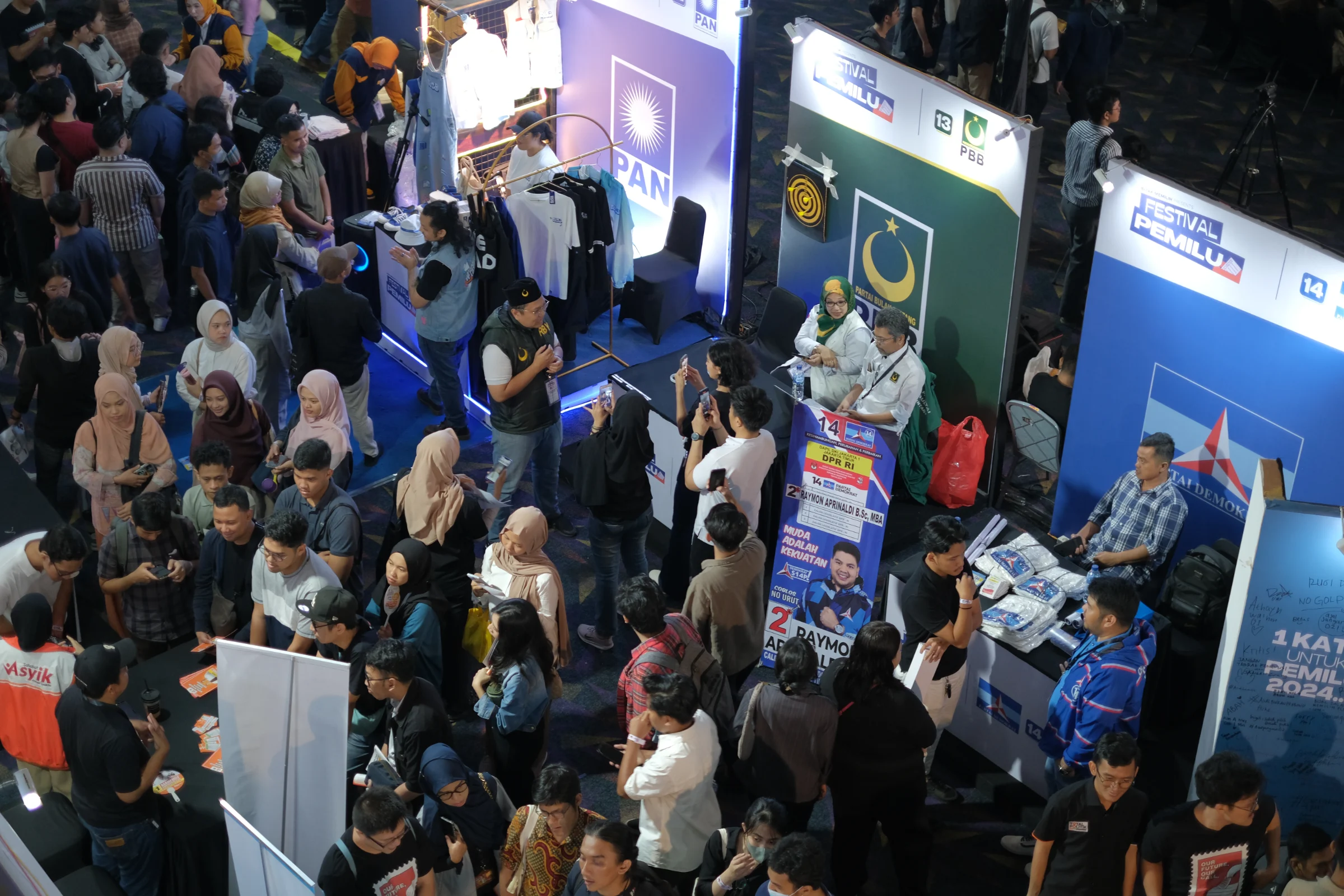
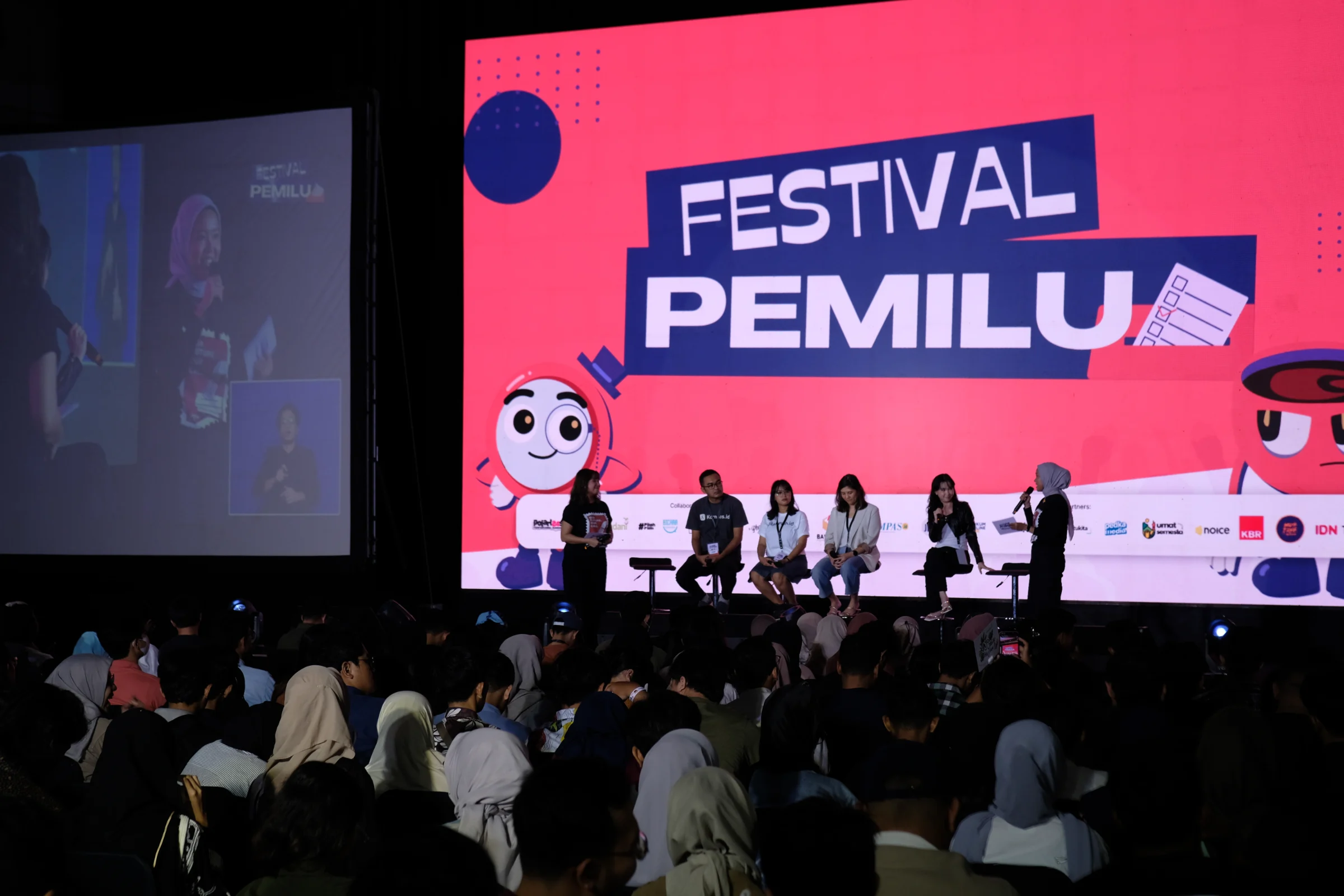
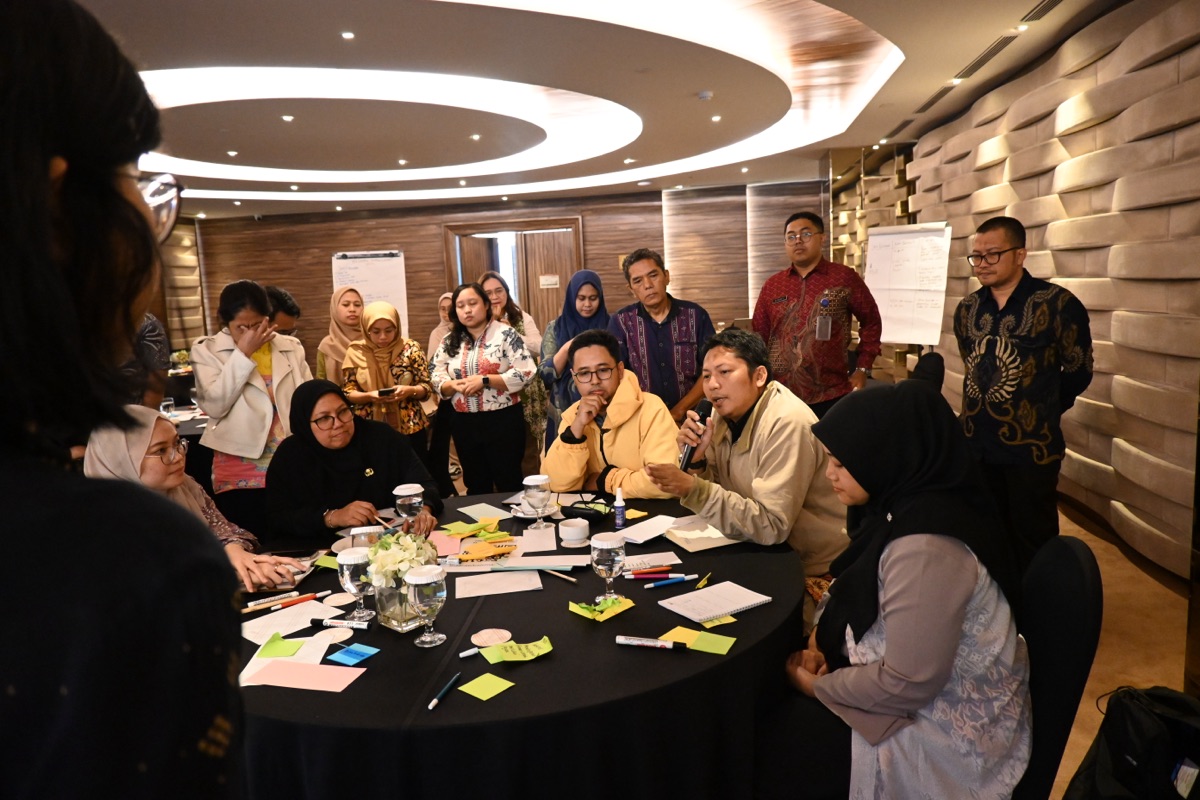
In the election year of 2024, the event Festival Pemilu (Election Festival) was held by Bijak Memilih, an independent movement co-initiated by Think Policy, to move the crowd—especially young voters—from their screens to directly interact with fellow citizens and political party representatives offline. The initiative brought together voters, political actors, and knowledge partners in a shared space for dialogue, learning, and deliberation ahead of the general election.
participants—with a total reach of 6,878 including the Bijak Memilih Roadshow events
political party representatives participating in the event
presidential campaign teams participating in the event
When information is accessible everywhere, meaningful engagement becomes harder to find
Indonesian citizens today have unprecedented access to political information through social media, online news platforms, and digital communities. However, greater access does not always translate into deeper understanding.
Political speeches, policy proposals, and debates about the country’s future now compete for attention alongside an endless stream of content. While information is readily available, opportunities to meaningfully engage with policy issues, understand competing political ideas, and interact directly with political actors remain limited.
As a result, many citizens, particularly young and first-time voters, experience elections primarily as consumers of political content rather than active participants in democratic conversations. They may encounter campaign messages online, but have fewer opportunities to question candidates, compare policy positions, discuss issues with fellow citizens, or understand how political decisions affect their daily lives.
This challenge created an opportunity to rethink how democratic engagement could take place ahead of Indonesia’s 2024 general election.
Through the event Festival Pemilu 2024 in Jakarta, Bijak Memilih (an independent movement co-initiated by Think Policy) sought to move political participation beyond the screen. By bringing together young voters, political parties, campaign representatives, experts, and fellow citizens in one shared space, the initiative aimed to create a more accessible, interactive, and informed way for citizens to engage with democracy before casting their vote.
Following the series of Bijak Memilih roadshow events across Indonesia, the event was designed not only to help young people better understand the presidential election, but also the legislative election, which often receives less public attention despite its significant impact on policymaking.
How Festival Pemilu shaped participation
Cut through the information overload by learning directly from trusted knowledge partners, experts, and evidence-based resources on the issues that matter.
Start conversations beyond the event itself by discussing ideas and public issues with friends, family, and wider communities.
Engage directly with political parties, legislative candidates, and campaign representatives to ask questions, exchange perspectives, and make more informed choices.
Designing democratic engagement around how young people actually participate
One of the challenges in democratic participation is that political information is often delivered in formats that assume citizens will actively seek it out. Yet for many young voters, political understanding is shaped through conversations, social interactions, and experiences that feel relevant to their daily lives.
Festival Pemilu 2024 took a different approach by placing citizens, particularly young voters, at the center of the engagement design. Rather than relying solely on one-way communication, the initiative created multiple opportunities for participants to learn, interact, question, and deliberate through formats that were accessible, interactive, and grounded in real conversations.
The audience-first approach was reflected through several interventions:
Bringing political information closer to citizens
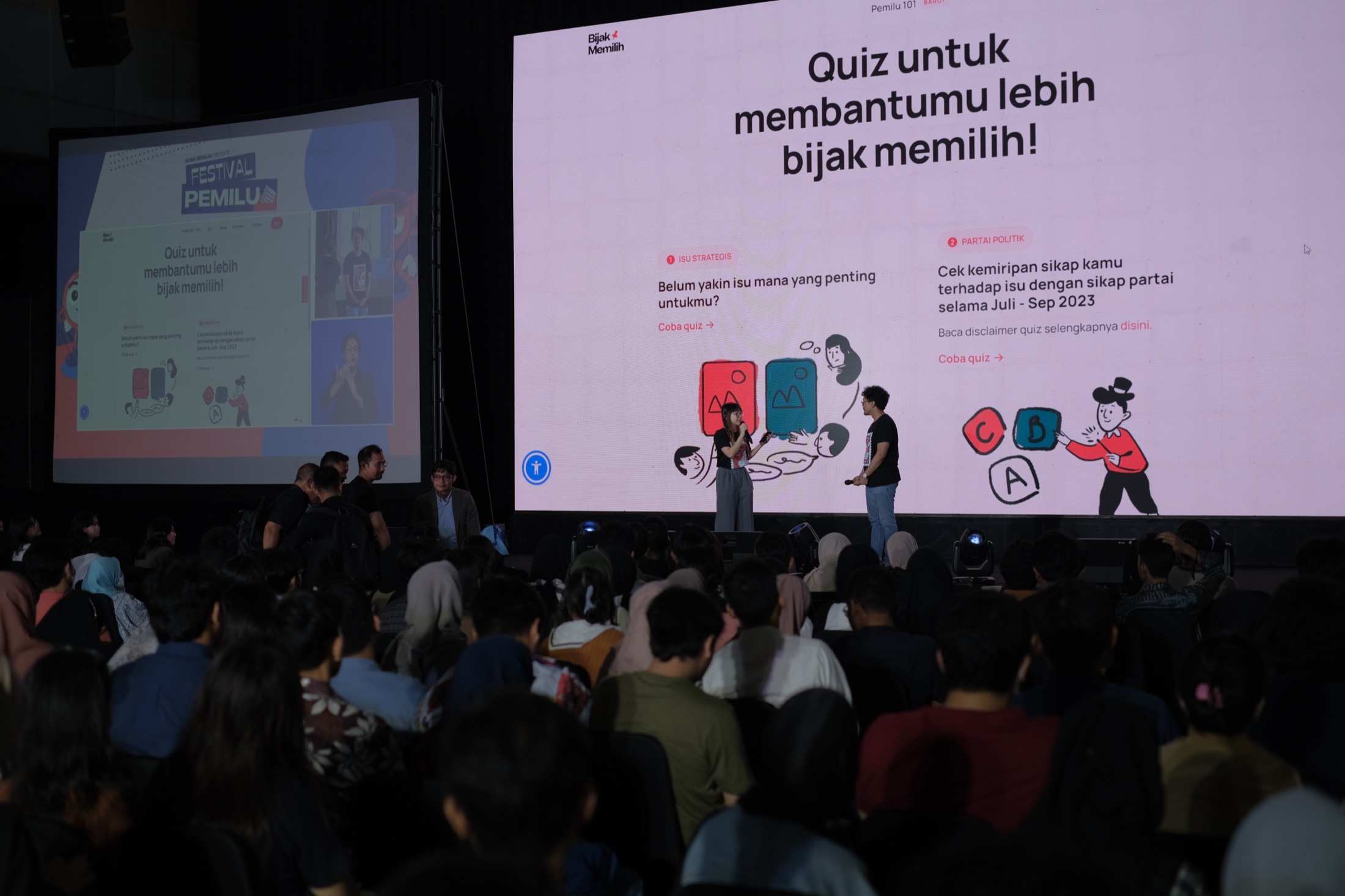
Access to political information does not automatically lead to understanding. To help participants navigate a crowded information landscape, Festival Pemilu curated evidence-based and accessible information about the 2024 election.
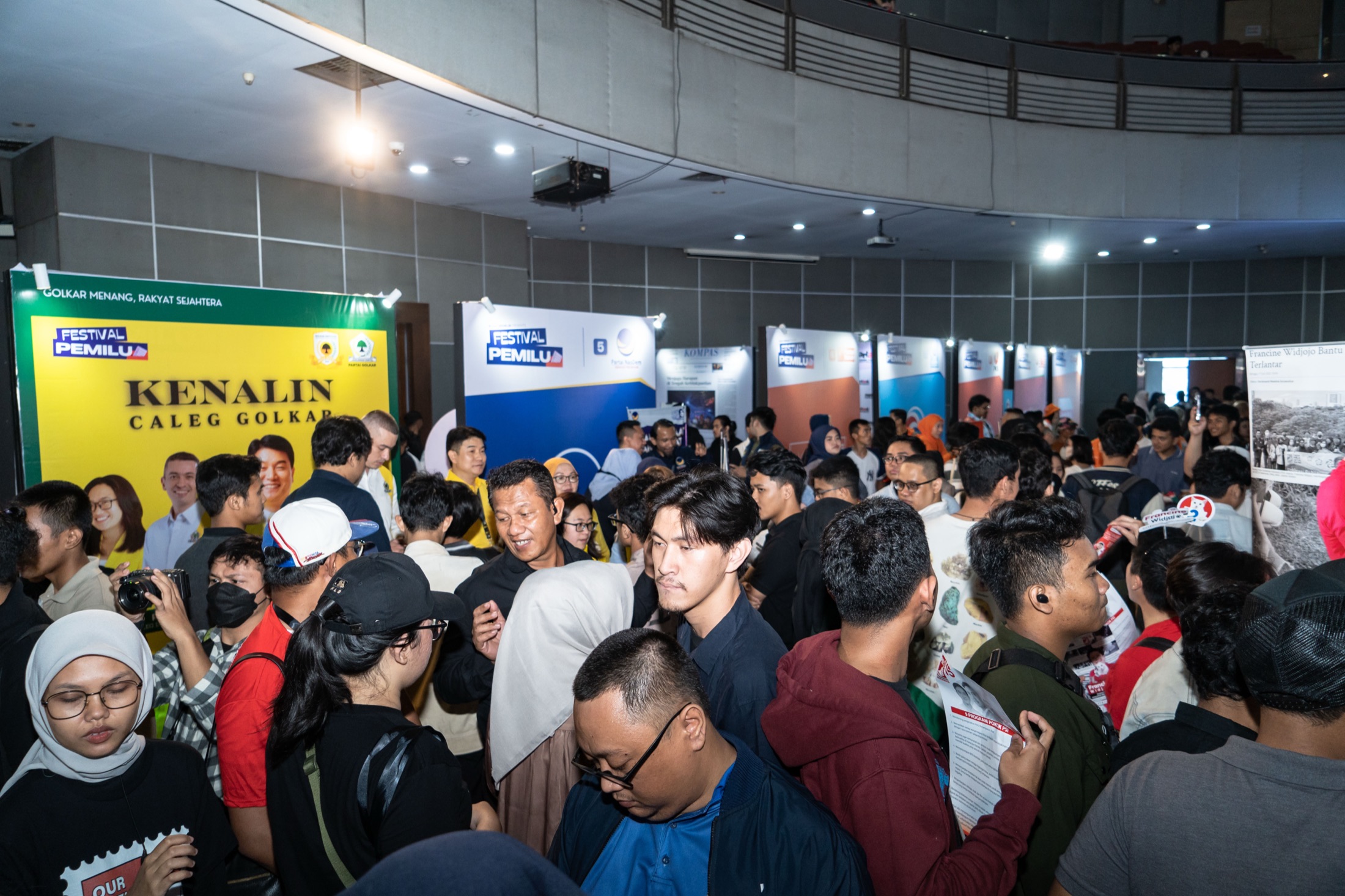
A dedicated exhibition space featured the 18 national political parties participating in the election, allowing visitors to explore party profiles, policy positions, and political platforms in one place. Interactive activities such as Game Politik Cerdas also encouraged participants to engage with political issues in a format that was approachable and engaging.
Creating direct conversations with political actors
Political engagement often happens at a distance, with citizens consuming messages from candidates through television, social media, or campaign materials.
Festival Pemilu sought to shorten that distance. Through sessions such as ‘speed dating’ with legislative candidates, Adu Ide (idea contest with political parties), and game sessions with the campaign teams behind the presidential and vice-presidential candidates, participants were able to interact directly with legislative candidates, political parties, and presidential campaign representatives. These conversations created opportunities to ask questions, challenge ideas, and understand different political perspectives firsthand.
Transforming passive audiences into active participants
Beyond providing information, Festival Pemilu aimed to encourage participants to discuss political issues with others and develop their own perspectives.
Activities such as Kepoin Partai (Get to Know the Political Parties) and various discussion sessions enabled participants to compare competing ideas, explore policy trade-offs, and exchange aspirations directly with political actors and fellow citizens. In doing so, the festival created a space where democratic engagement became a collective experience rather than an individual act of consuming political content.
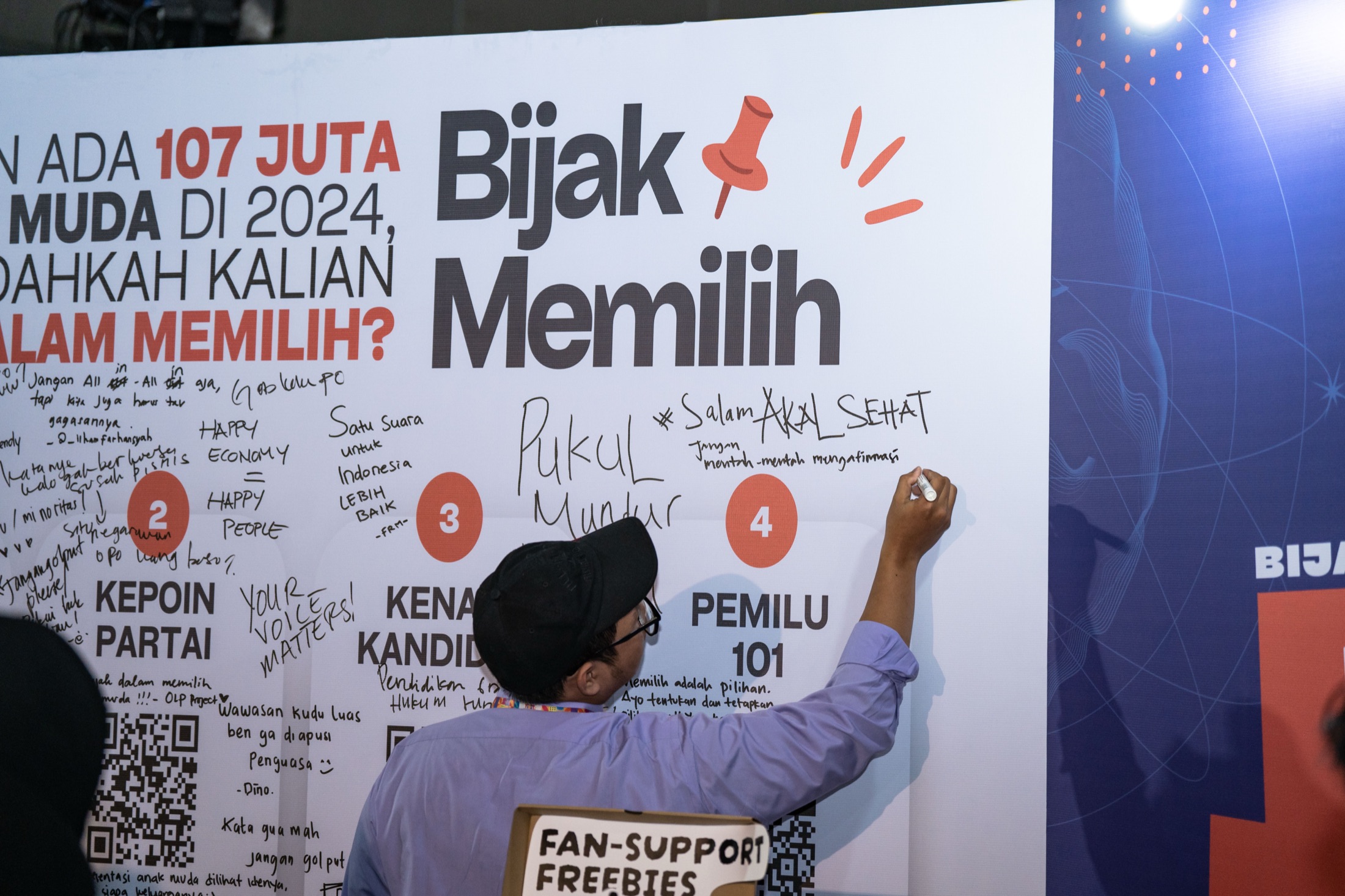
We appreciate the efforts of organizations like Bijak Memilih in successfully bringing all 18 political parties together in this event. […] This initiative demonstrates that young people are not apathetic toward politics and highlights the importance of youth voices in Indonesia’s 14 February 2024 election.August Mellaz, Commissioner of the General Elections Commission (KPU), in his keynote speech during Festival Pemilu 2024
From political information to more informed participation
Festival Pemilu showed that young people can engage more deeply with politics when democratic participation is designed around their needs, curiosity, and everyday ways of interacting.
At the individual level, participants reported a stronger understanding of the visions and missions, track records, controversies, and policy positions of political parties and candidates. The experience also increased their readiness to make an electoral choice: the proportion of respondents who said they had already made their choice rose from 67% before the Festival to 86% after participating in the Festival and accessing Bijak Memilih, an increase of 19 percentage points.
The impact extended beyond individual learning. Across the Bijak Memilih Roadshow and Festival Pemilu, the initiative reached 6,878 young people, with 1,112 participating directly. It also brought representatives from 18 political parties and three presidential campaign teams into direct engagement with young voters, creating a rare space where citizens could ask questions, compare perspectives, and engage with political actors beyond campaign content on their screens.
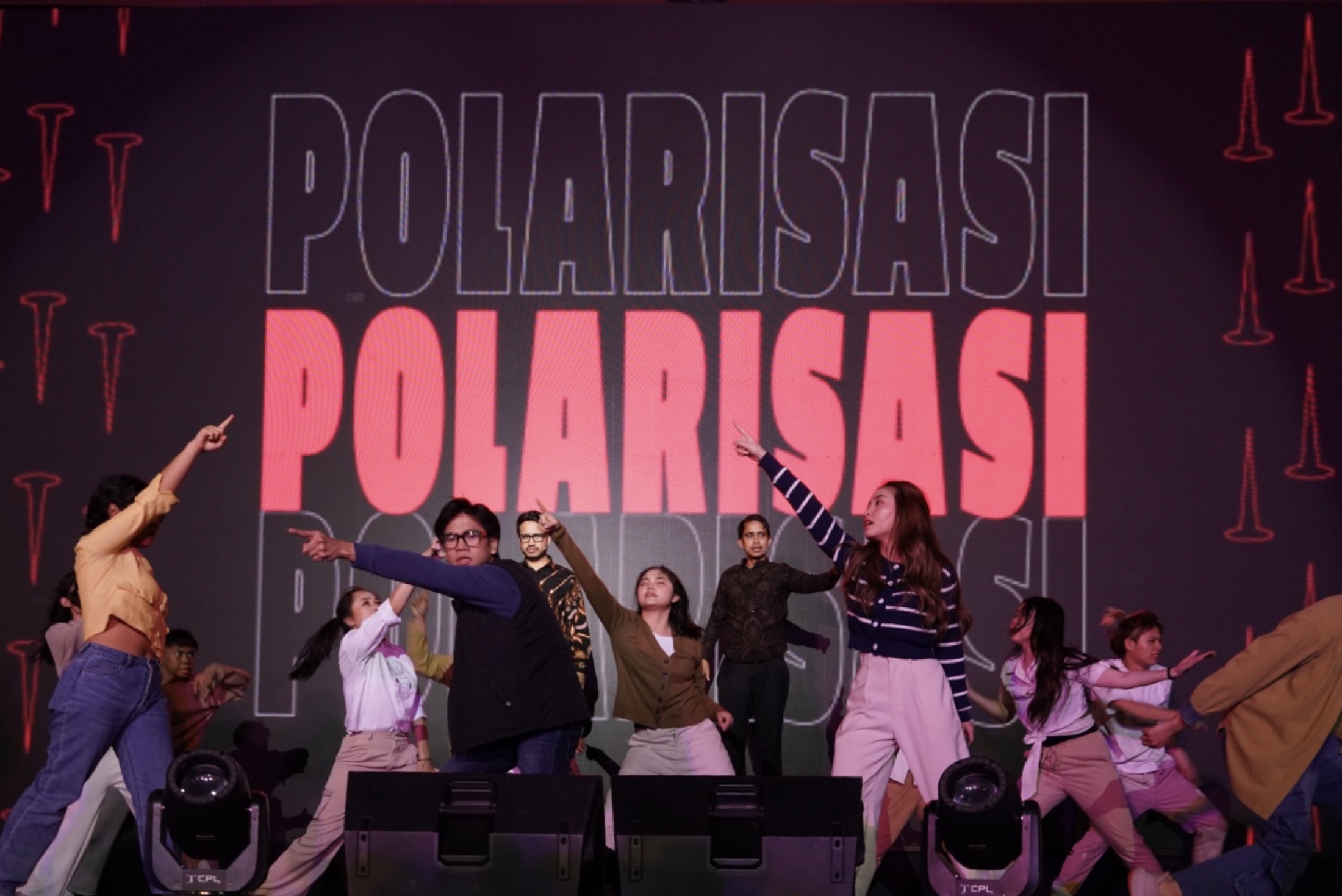
More broadly, Festival Pemilu demonstrated an alternative to conventional political communication. Instead of treating citizens as passive recipients of campaign information, it created opportunities for them to learn, question, discuss, and engage before election day. For young and first-time voters in particular, this offered a more accessible pathway into democratic participation, while showing political actors the value of meeting citizens through formats that encourage genuine interaction.
A replicable lesson for democratic engagement
The experience points to a broader lesson: access to political information is only the starting point for meaningful participation. Citizens also need trusted information, opportunities to encounter different perspectives, and spaces where they can engage directly with the people and institutions shaping public decisions.
By bringing those elements together, Festival Pemilu offered a model for making democratic participation more active, accessible, and relevant to a generation increasingly accustomed to experiencing politics through a screen.
You may also like
What Do Indonesian Financial Institutions Need to Unlearn to Do Climate Finance
Building a more inclusive climate governance that works for everyone in Jakarta