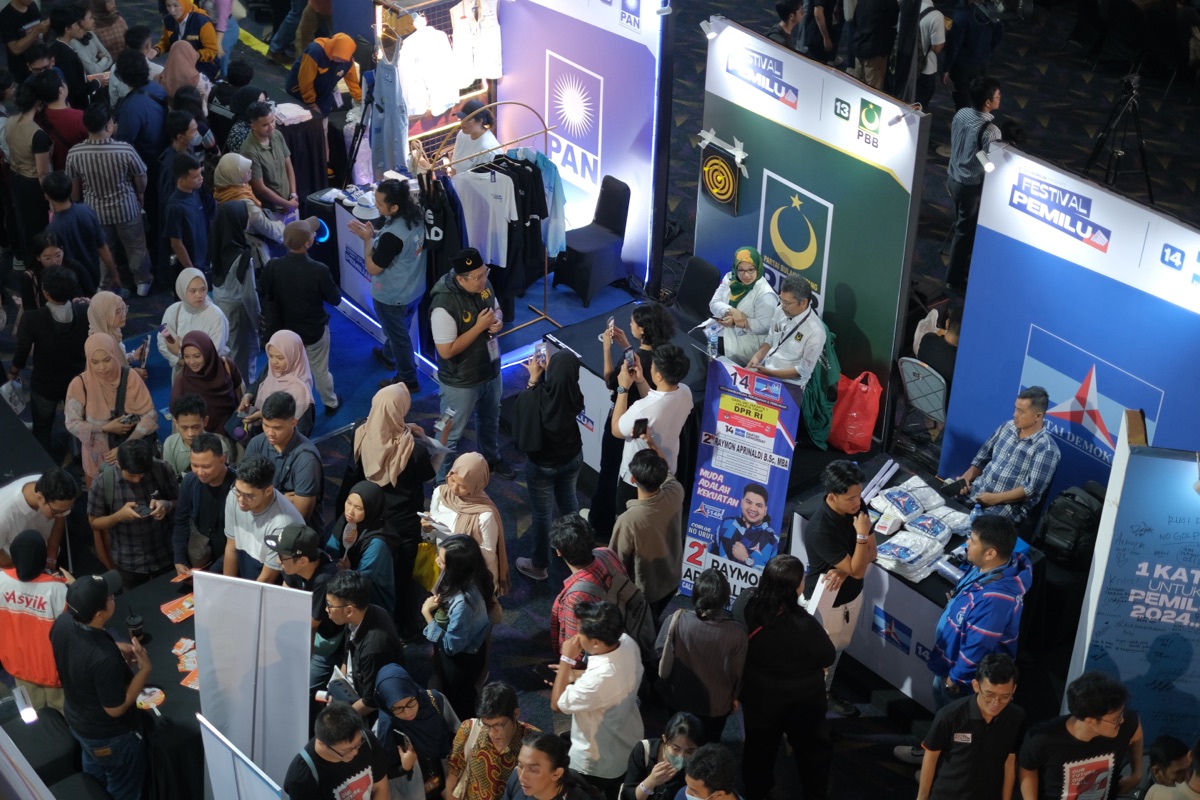
Mending Runding gathered Jakarta’s diverse citizens to deliberate and shape the policy directly affecting their lives
In a city as diverse as Jakarta, many residents rarely have the opportunity to discuss public issues with people whose lives, experiences, and perspectives differ significantly from their own. Yet policymaking often requires balancing exactly these different needs and priorities.
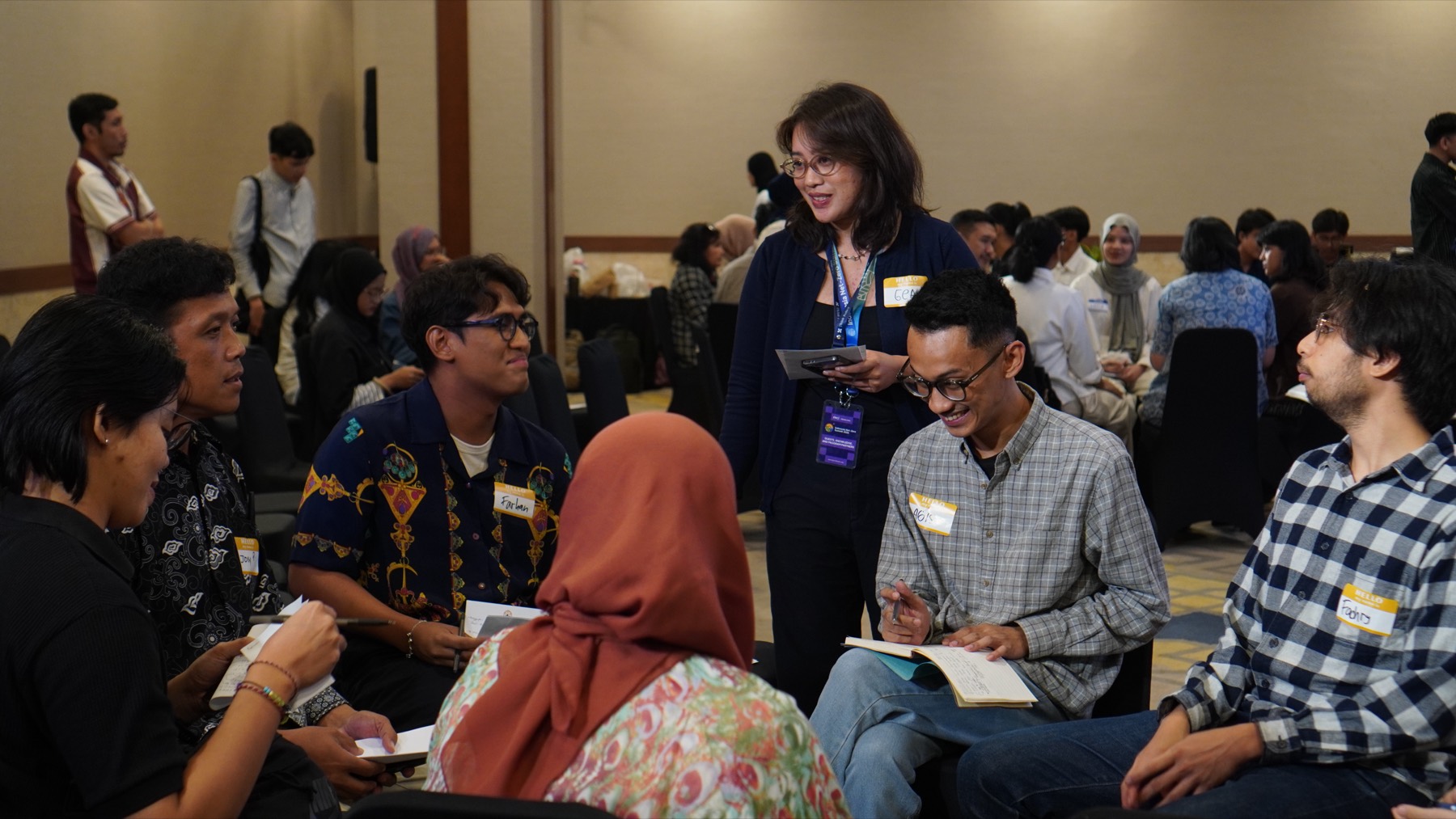
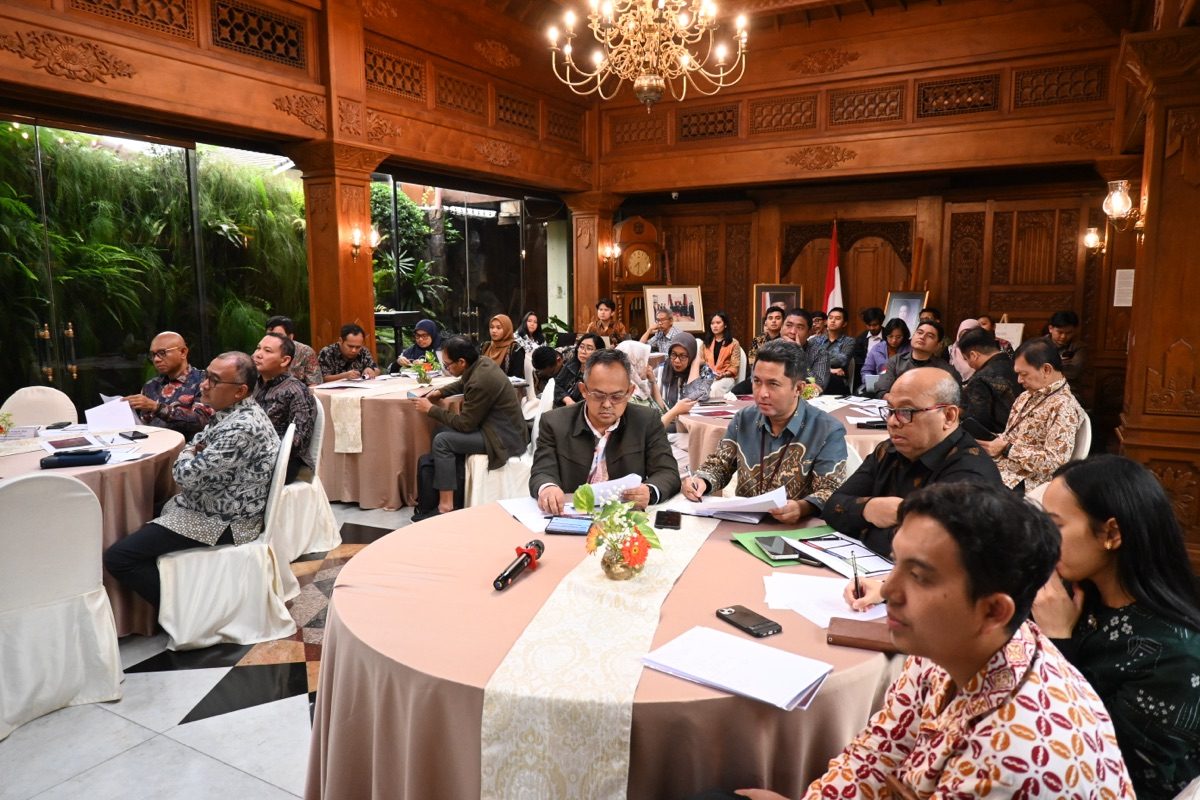
Through the city’s first-ever citizens’ assembly, Mending Runding (roughly, “It’s better to deliberate”), Think Policy in collaboration with Bappeda Jakarta brought together randomly selected residents who reflected the city’s demographic composition. As they learned about Jakarta’s public housing challenges and deliberated on possible solutions, participants discovered that meaningful policy discussions become possible when citizens are given the information and space to understand one another’s perspectives.
accuracy of the participant composition against the demography of Jakarta
of participants viewed their recommendations as useful for Jakarta’s government
of participants are interested in taking part in more citizens’ assembly sessions
Empowering the public from mere observers to active participants
The policymaking process in Jakarta normally sees residents as mere observers — or even “objects” — for whom policy is formulated, instead of as active participants who might have valuable insights on how policy affects their livelihoods and well-being.
There have been forums where the public can discuss the development of policy in Jakarta, such as musrenbang (a multi-stakeholder forum for development and planning) and public consultation forums — but they are often attended by the same participants again and again, and favor one-way presentations from policymakers. There is not enough space for residents to actually deliberate on policy options, resulting in many decisions being contested by the public after implementation.
This is where our 2025 initiative, Mending Runding, came in. As the city’s first citizens’ assembly, we randomly selected participants through a lottery that represented the real composition of Jakarta’s residents. In collaboration with the city’s Regional Planning and Development Agency (Bappeda), we invited the public to answer the question: who should be prioritized in Jakarta’s public housing programs?
From stay-at-home mothers to motorcycle taxi drivers to white-collar professionals, the selected participants were empowered to take part in formulating the city’s public housing policy.
Why a citizens’ assembly? At its root, it is deeply ingrained in the Indonesian tradition of musyawarah, or deliberation, to find common ground. Mending Runding is how we reimagined musyawarah for this day and age — creating a mini-public that represented the city, learned about a specific policy issue and dilemma, and deliberated on recommendations to be considered by policymakers.
Three principles behind the Mending Runding citizens’ assembly
Participants are encouraged to reason toward common ground, navigating complex policy and societal trade-offs through empathy and data.
Participants are randomly selected by lottery against the city’s demographic composition, ensuring the people in the forum reflect the voice on the streets.
It is a co-creation process that starts with a policy dilemma presented by the government and concludes with a set of recommendations deliberated by citizens.
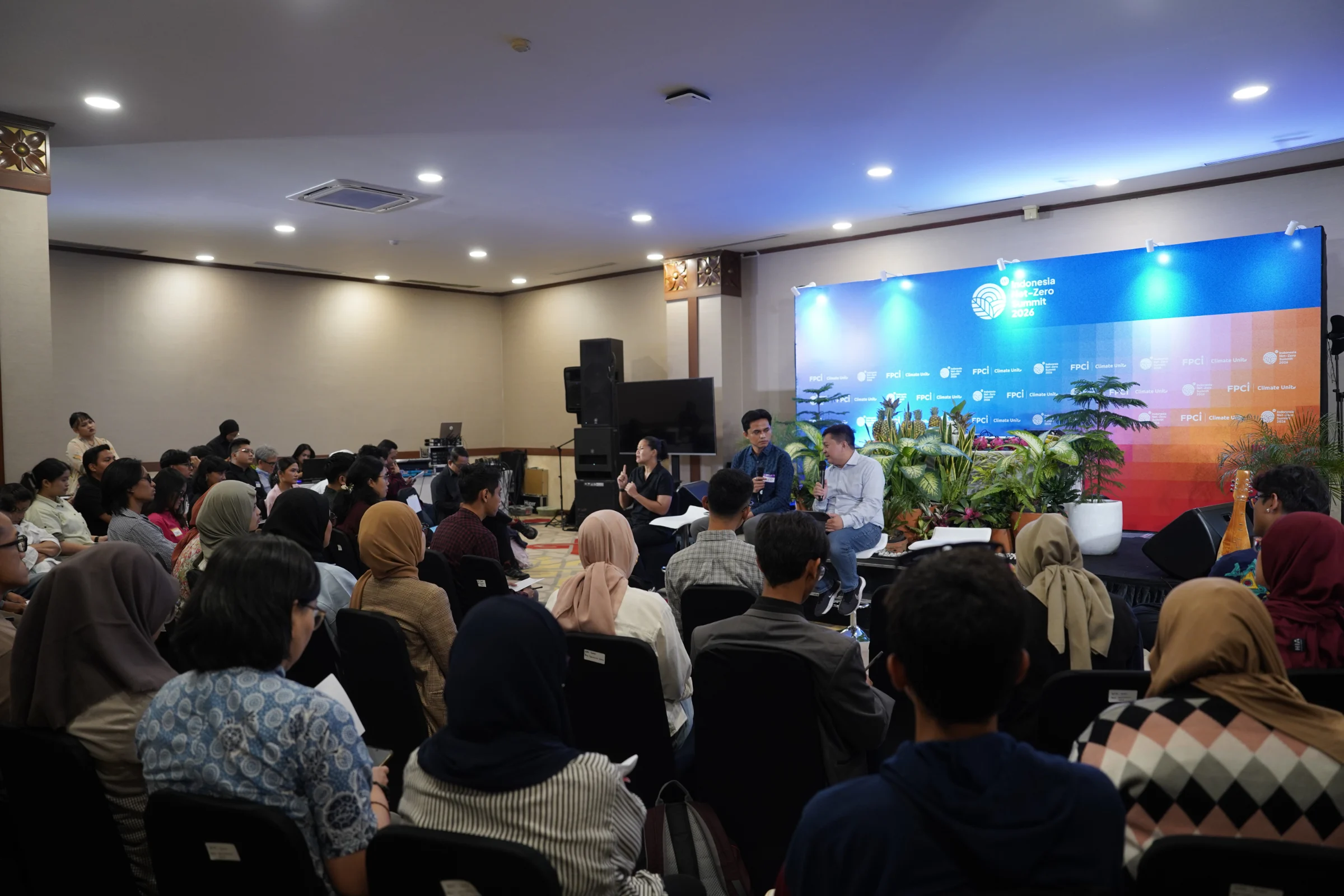
An inclusive safe space for policymaking
Through Mending Runding, we aimed to create an inclusive safe space where deliberation about a policy dilemma and the resulting recommendations could happen among participants — achieved through the following methods.
Randomly selected participants that reflected the city
Different from usual policy forums that are dominated by certain groups — creating an echo chamber — we implemented a random sortition (lottery) that matched Jakarta’s demographic profile. From 95 incoming applicants, we sorted 60 members of the assembly, also known as the citizen juries, which represented the demography of Jakarta with 92% accuracy. Our assembly members were diverse: stay-at-home parents, motorcycle taxi drivers, and casual workers, aged 18 to over 50.
A policy dilemma to deliberate on
In other forums, citizens are usually asked only to react to a set of policy options already pre-determined by politicians and bureaucrats. For Mending Runding, we asked Bappeda Jakarta to present a policy dilemma to the public — “Who should be prioritized for public housing in Jakarta?” — so participants could deliberate and come up with recommendations stemming from their lived experiences.
An inclusive approach to deliberation
A very diverse set of participants with starkly different backgrounds can lead to more complex discussions, especially as everyone brings their own experiences. This is where an inclusive approach to deliberation took place, including a small-group deliberation format that helped the assembly reach a consensus in the form of recommendations that Bappeda Jakarta found useful to further formulate public housing policy.
The most captivating thing is the creation of an inclusive dialogue space without barriers. In the Mending Runding forum, we felt empathy and openness from all participants to truly understand the Deaf community’s perspective, so that the solutions formulated were genuinely fair and answered actual needs.Bambang, Central Jakarta resident
This experience made me realize that my existence, thoughts, and experiences are actually important to be heard and considered.Brigitta, West Jakarta resident
Bringing public participation in policymaking one step ahead
After organizing the first Mending Runding in 2025, we realized we had brought public participation in policymaking one step ahead: not only for citizens to be passively informed and consulted about policy options, but to actively co-create policy with the government within an inclusive safe space.
Where citizens were previously detached from the process, citizens’ assembly initiatives like Mending Runding enable them to deepen their knowledge of the policy dilemma presented by the government, meet and discuss with fellow citizens, and learn how to deliberate before finally reaching a consensus.
As a result, citizens gained insight into the specific policy and emerged with a more profound shift in civic identity. The government also garnered credibility and legitimacy through a set of recommendations both formulated and endorsed by citizens themselves.
Replicating the lessons learned across Indonesia
Mending Runding has proven that as long as citizens are empowered and given a safe space, they can collaborate and co-create more inclusive and representative policy options together with the government. The first citizens’ assembly with Bappeda Jakarta showed that a group of randomly sorted residents could deliberate and produce recommendations for the city’s public housing policy, which the government agency accepted readily.
We expect Mending Runding to serve as a model for how the public across Indonesia can reimagine their participation in policymaking — empowered to create policy recommendations based on their own lived experiences, without having to rely first on politicians. All it takes is the right amount of information and the chance to have conversations with fellow citizens: to assemble, deliberate, and create policy that benefits everyone.
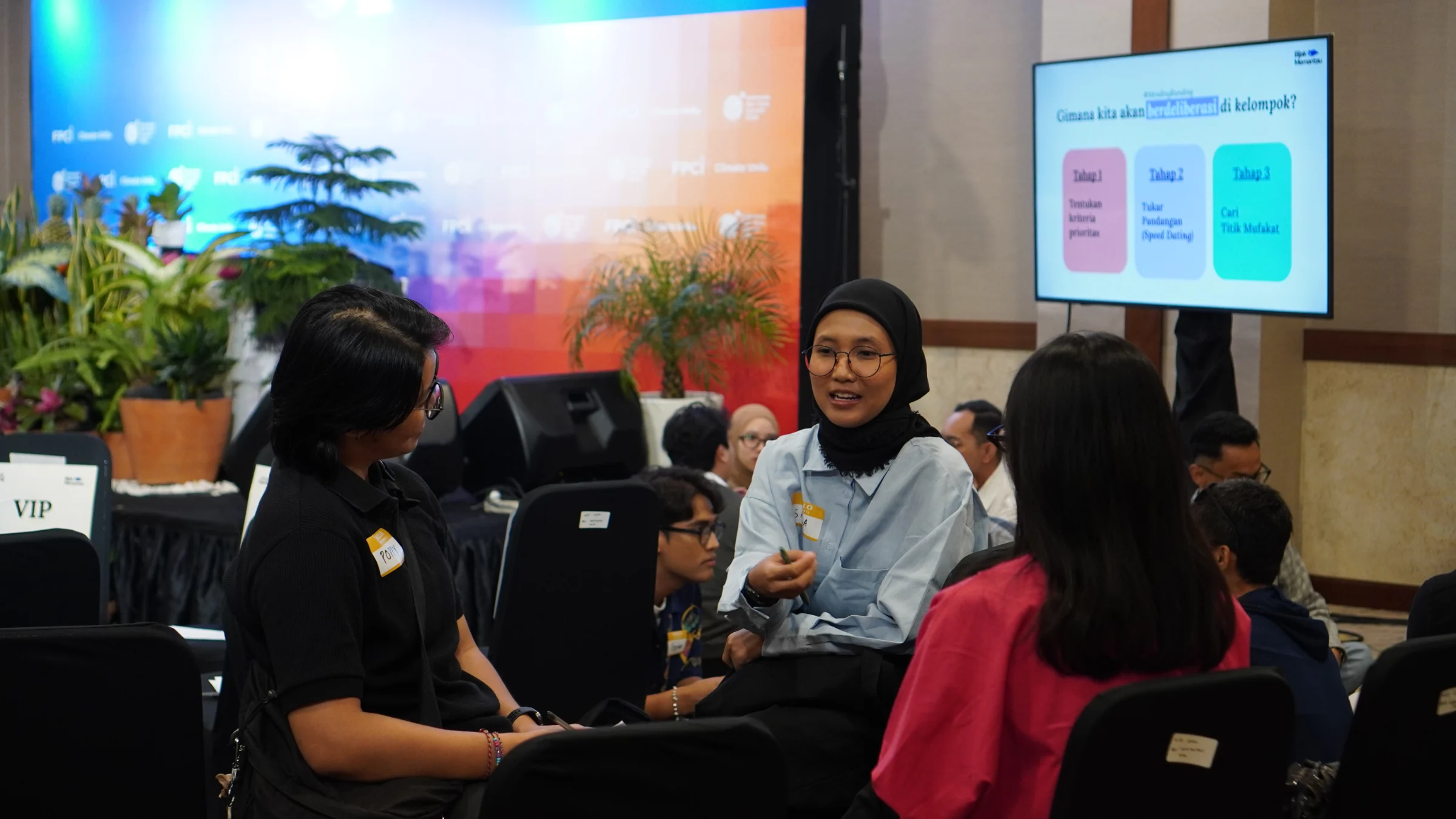
Three moves that turn deliberation into policy
A representative mini-public
Select participants by lottery against the city’s demographic profile, not by self-selection.
A government-set dilemma
Start from a real policy question the government owns, not a menu of pre-decided options.
Deliberate to consensus
Use inclusive, small-group facilitation to reach recommendations decision-makers can use.
You may also like

The Reformist Bootcamp: why unlearning is the first step to take by the next generation of policy professionals
From external obligation to national commitment: reframing the importance of NDC climate governance